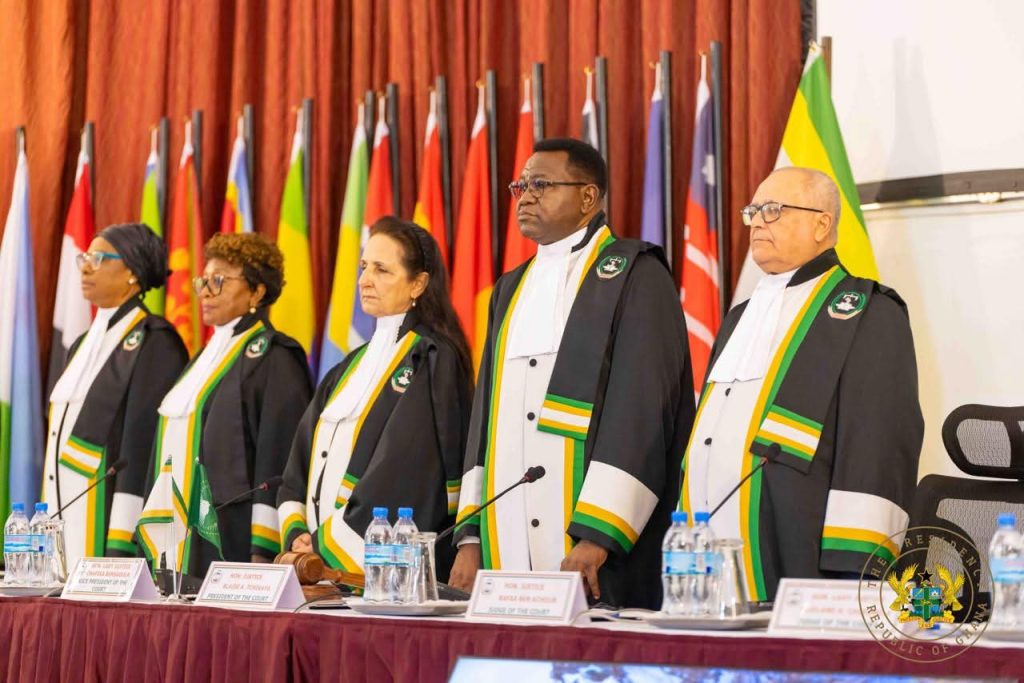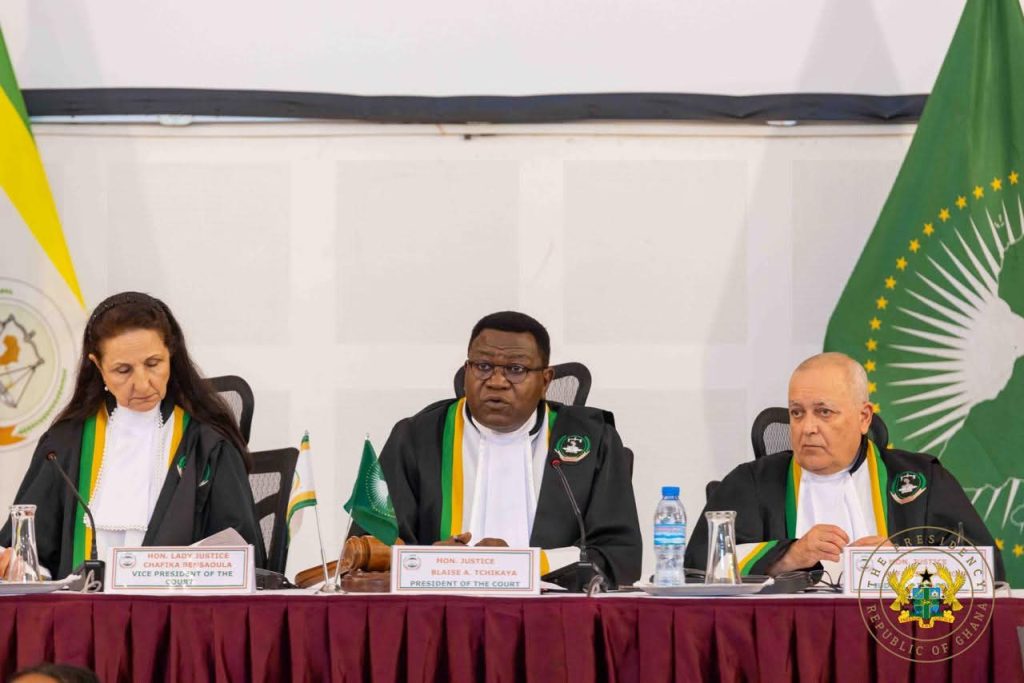





















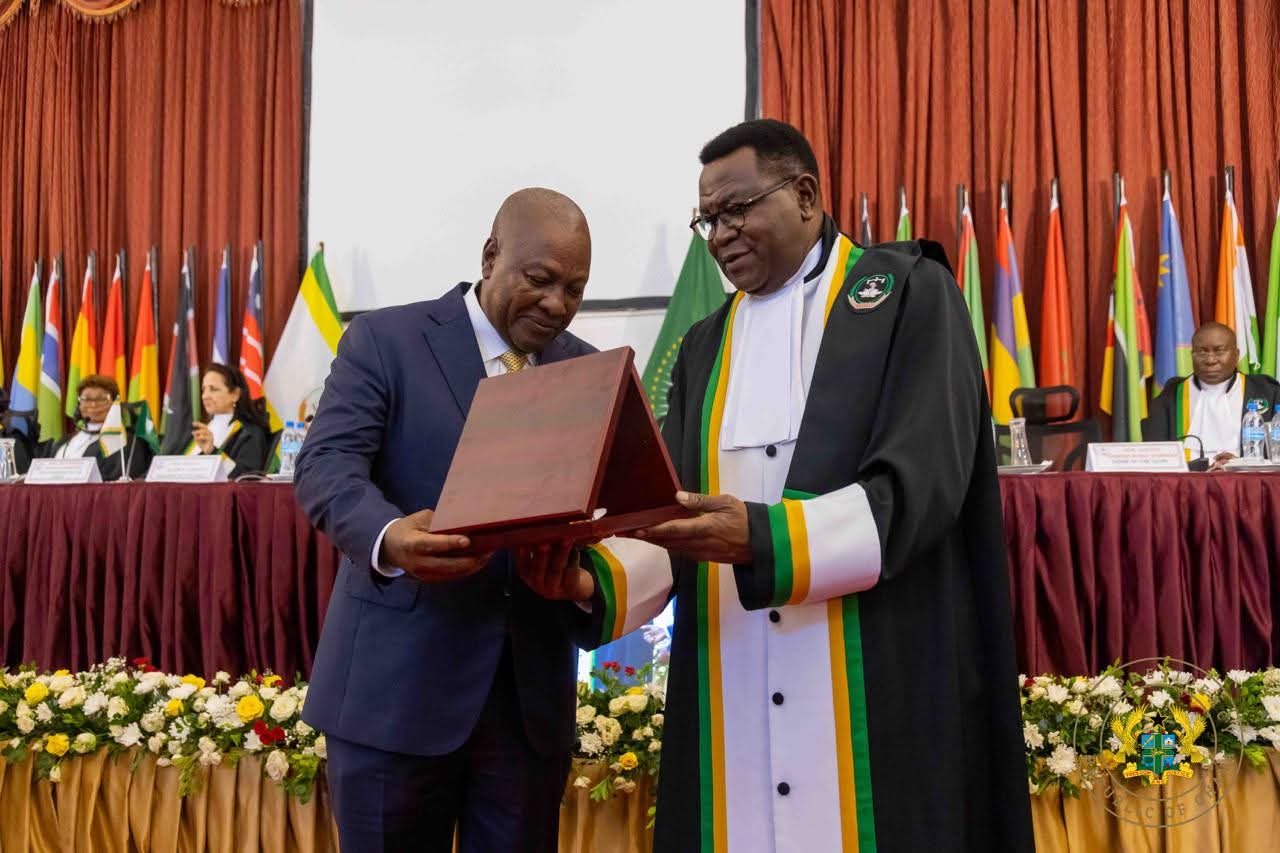
President John Dramani Mahama has officially opened the 2026 Judicial Year of the African Court on Human and Peoples’ Rights in Arusha, marking a significant moment in Africa’s ongoing pursuit of justice and human rights protection.
The high-profile ceremony brought together distinguished jurists, senior government officials, members of the diplomatic corps, and representatives of regional and continental institutions.
The gathering underscored a shared commitment among African states to uphold the rule of law and strengthen judicial accountability mechanisms across the continent.
The event, held at the seat of the Court in Arusha, symbolized Africa’s evolving legal architecture and the growing importance of supranational judicial institutions in promoting human rights. Delegates from across the continent described the occasion as both reflective and forward-looking.
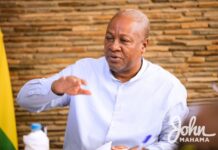
In his keynote address, President Mahama emphasized the need to consolidate the gains made in the protection of human rights while confronting emerging challenges that threaten democratic governance.
He noted that Africa’s development agenda must be anchored in justice, transparency, and respect for the dignity of every citizen.
The President highlighted the pivotal role of the African Court in interpreting and enforcing the African Charter on Human and Peoples’ Rights, which remains the cornerstone of the continent’s human rights framework.
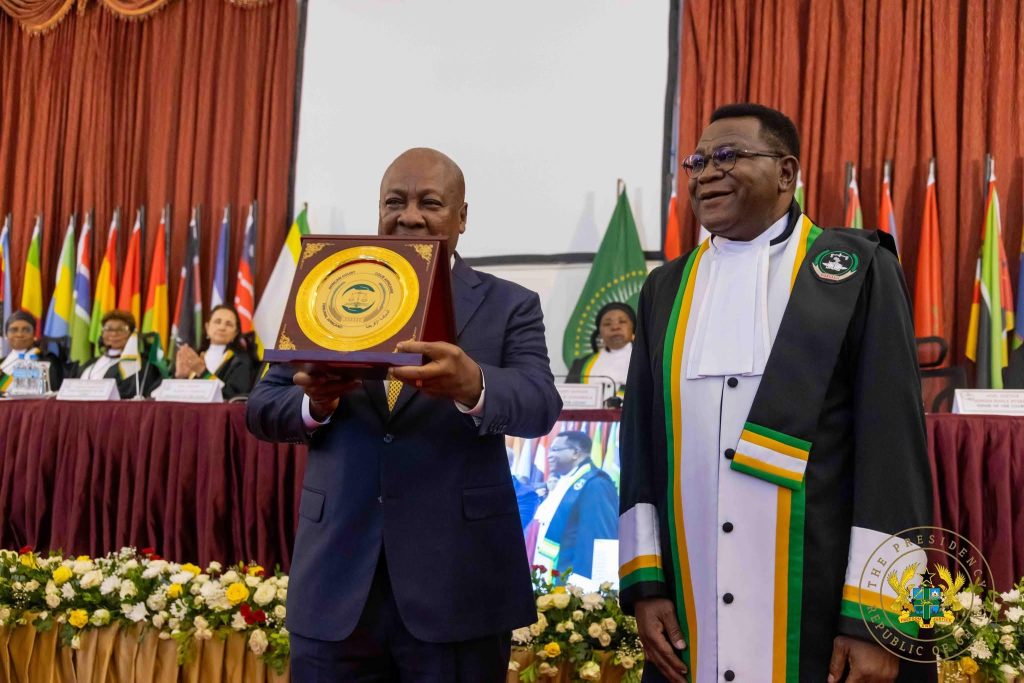
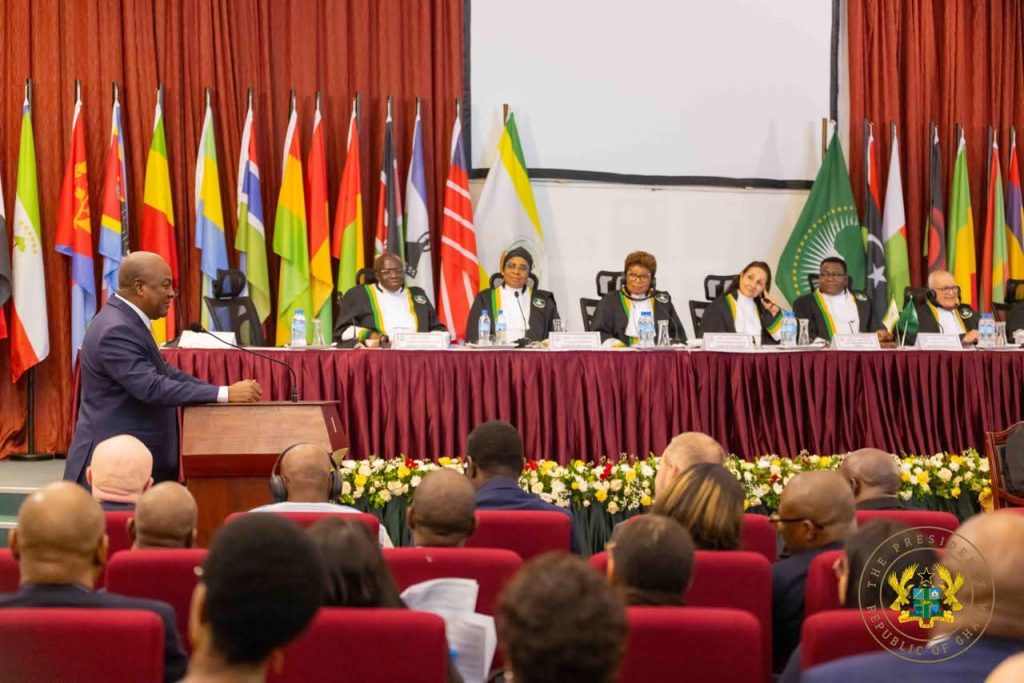
He stressed that the Court’s work is indispensable in translating the Charter’s ideals into practical outcomes for ordinary Africans.
According to President Mahama, strengthening continental institutions is not merely a political aspiration but a necessity for sustainable peace and stability.
He called on member states to deepen their cooperation with the Court and to fully comply with its judgments.
The Judicial Year opening ceremony also provided an opportunity to reflect on the progress made by the Court since its establishment.
Over the years, the institution has delivered landmark judgments addressing issues ranging from electoral justice to freedom of expression and protection against torture.
Legal experts attending the event noted that the Court’s jurisprudence continues to shape national legal reforms and enhance accountability across member states. Its decisions, they argued, have gradually built a body of continental case law that reinforces democratic norms.
President Mahama reiterated the importance of safeguarding judicial independence at both national and continental levels.
He warned that any erosion of judicial autonomy could undermine public trust and weaken democratic institutions.
He further called for adequate resourcing of the Court to enable it to effectively discharge its mandate. Without sustained financial and political support, he cautioned, even the strongest legal frameworks risk becoming ineffective.
Representatives of the African Union commended the leadership shown in convening the ceremony at a time when global democratic values face increasing strain.
They emphasized that Africa must remain steadfast in defending human rights within its own institutions.
The ceremony also highlighted the importance of collaboration between national courts and the African Court.
Speakers underscored the complementary relationship between domestic judicial systems and continental oversight mechanisms.
Diplomatic representatives present in Arusha described the opening as a reaffirmation of Africa’s commitment to multilateralism and collective problem-solving.
They noted that the Court serves as a vital platform for resolving disputes and protecting vulnerable populations.
Civil society organizations welcomed the renewed focus on accountability and justice.
They called on governments to ensure that citizens are aware of their rights and have access to the Court where domestic remedies prove insufficient.
President Mahama stressed that justice must be accessible and inclusive.
He underscored the need for legal awareness campaigns and institutional reforms that make the Court’s processes more accessible to ordinary Africans.
The opening of the 2026 Judicial Year comes at a time when Africa faces complex challenges, including political transitions, security concerns, and socio-economic pressures.
Leaders at the ceremony agreed that robust judicial systems are essential in navigating these realities.
Observers noted that the symbolism of the event extended beyond formal proceedings. It represented a renewed continental resolve to defend constitutionalism and resist impunity in all its forms.
The President concluded his address by urging African states to remain united in advancing a shared vision of justice.
He affirmed that the dignity and rights of every African must remain central to governance and policy decisions.
As proceedings formally commenced, the atmosphere in Arusha reflected both solemn reflection and cautious optimism.
The 2026 Judicial Year of the African Court on Human and Peoples’ Rights begins with renewed determination to strengthen Africa’s legal institutions.
With continental cooperation at the forefront, the ceremony has set the tone for a year dedicated to deepening accountability, reinforcing judicial independence, and ensuring that justice remains a lived reality for all Africans.