





















Source: The Announcer
Local hygiene product manufacturer Nordiq Hygienic Care Industry Limited is under scrutiny following revelations that cast doubt on the company’s compliance with Ghana’s import and tax regulations.
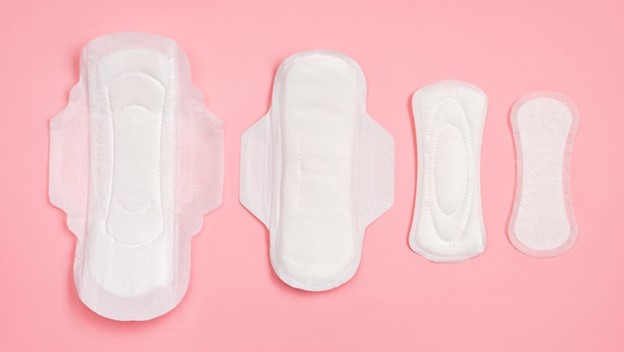
The company, which produces sanitary pads and baby diapers, is reported to have stockpiled unusually large quantities of finished sanitary pads at its warehouse, raising questions about the source of these goods.
It is reported that Nordiq’s declared raw material volumes do not align with the scale of these finished products.
For example, import records show that the volume of imported fluff pulp was only sufficient to produce around 30 to 40 million finished pieces, while the declared quantity of non-woven fabric could theoretically support the production of over 500 million pieces.
This significant discrepancy raised serious questions and led us to focus on the importation of non-woven fabric.
According to sources familiar with the matter, Nordiq declared the importation of 49 containers between June and July 2025 as non-woven fabric, a raw material typically eligible for import tax exemptions under policies designed to support local manufacturers.
However, there is growing evidence that the containers contained finished sanitary pads rather than raw materials.
This misclassification has reportedly resulted in an estimated tax loss of USD 380,000, as the goods bypassed the higher duties imposed on finished sanitary products.
The situation is not believed to be a result of administrative oversight. Instead, the company is suspected of deliberately exploiting Ghana’s tax incentive framework for raw materials to import finished goods under the guise of local manufacturing.
Compounding the concern is Nordiq’s participation in a government-led initiative to supply sanitary pads to schoolgirls across the country.
The program mandates that all products supplied must be locally manufactured, both to stimulate Ghana’s industrial sector and to ensure the products are subject to local quality and safety inspections by the Food and Drugs Authority (FDA).
Given the company’s limited production capacity, observers say the smuggling of finished sanitary pads—repackaged and distributed as locally produced—may have been a strategy to fulfil government contracts at reduced cost.
This not only undermines fair competition but also raises serious public health concerns, particularly as the products are intended for adolescent girls in public schools.
The sanitary pads brought in through this channel may not have undergone the necessary FDA quality checks required for hygiene products produced in Ghana.
Experts warn that the sanitary conditions of such products remain unverified, and the distribution of uncertified items through a government-supported program risks exposing schoolgirls to potential health hazards.
While investigations continue, the situation has prompted broader concerns about regulatory enforcement and the integrity of government procurement processes.
The incident also renews focus on ensuring that tax incentives meant to support local manufacturing are not misused to the detriment of public welfare and national revenue.