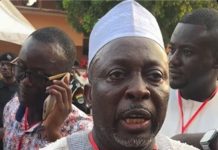
















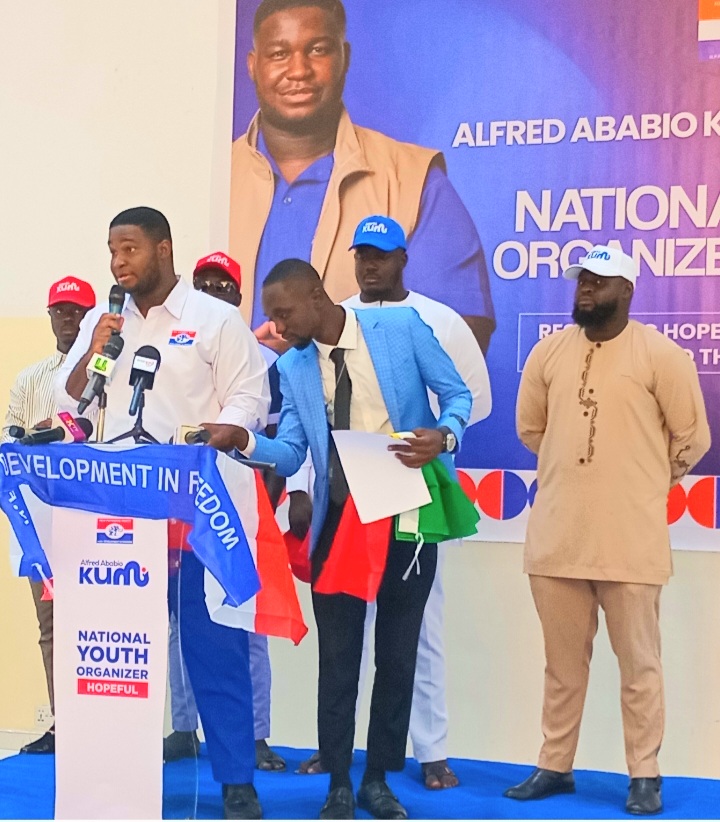
The race for National Youth Organizer of the New Patriotic Party is taking on a deeper strategic tone following the declaration of Alfred Ababio Kumi, widely known as Adenta Kumi, whose entry signals more than a routine internal contest — it points to a brewing generational recalibration within the party.
Rather than merely presenting himself as a youth mobilizer, Kumi’s declaration speech on the theme “Restoring Hope And Opportunities To The Youth” positioned the youth wing as a decisive power bloc capable of influencing the NPP’s internal future and its 2028 electoral fortunes.
His message was blunt: the party’s grassroots energy is waning, its structures are aging, and its connection to younger voters is eroding. In political terms, that is not just a morale issue — it is an electoral risk.
By framing the youth base as both underutilized and undervalued, Kumi effectively transformed his campaign into a referendum on the party’s internal renewal strategy.
Political observers note that youth organizers in Ghana’s major parties often function as the engine room during campaigns but rarely wield proportional influence in governance after victory. Kumi’s platform seeks to disrupt that pattern.
His “Kyem P3” proposal — advocating for 50 percent of government appointments to go to young people — is arguably the boldest structural demand yet from an NPP youth aspirant.
If implemented, it would fundamentally alter appointment dynamics within a future administration.
In backing former Vice President Mahamudu Bawumia for the 2028 presidential race, Kumi is also making a strategic calculation.
By aligning early and strongly, he is positioning the youth wing as a decisive pillar in the Vice President’s expected campaign machinery. But beyond loyalty, his endorsement carries expectations.
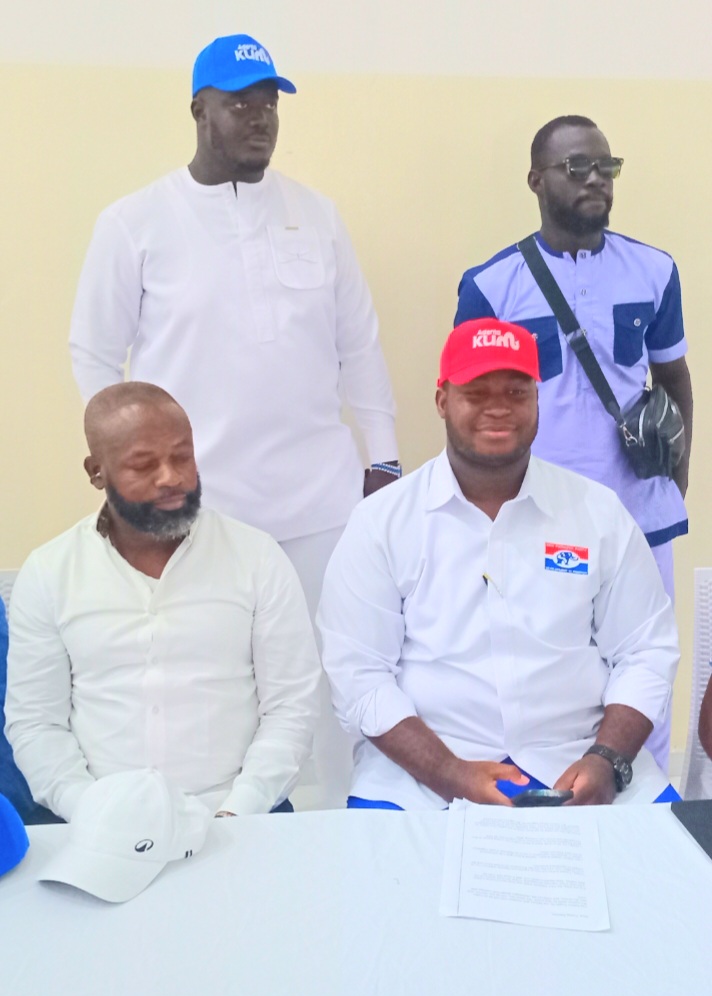
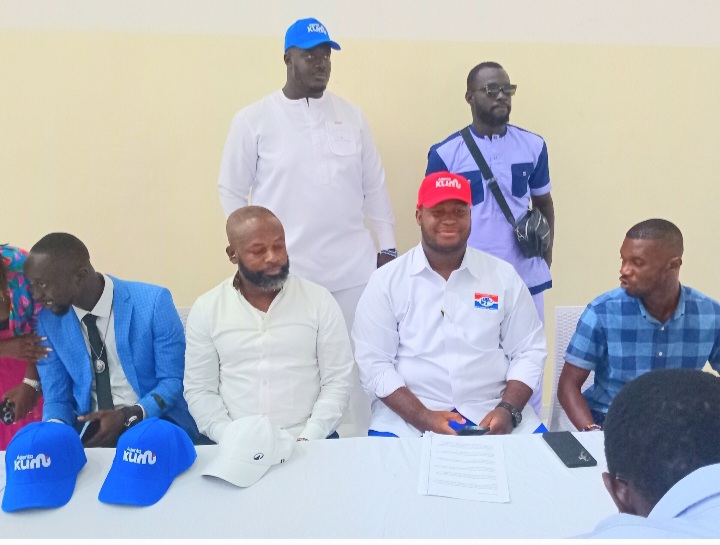
His speech subtly suggests that youth support in 2028 must translate into tangible inclusion in government.
Kumi’s declaration also reframes the youth wing from a campaign auxiliary into a policy-driven institution.
His proposal for a National Youth Secretariat focused on research and opportunity mapping signals an attempt to intellectualize and professionalize youth politics within the NPP.
Similarly, the proposed Youth Skills & Jobs Pipeline is less about slogans and more about linking party activism to economic empowerment — a move likely designed to appeal to unemployed and underemployed young voters.
His emphasis on logistics — particularly providing vehicles to constituency youth organizers — underscores an operational understanding of Ghana’s electoral terrain, where physical presence and rapid mobilization often determine campaign effectiveness.
In tone, his speech balanced activism with institutional critique.
By openly stating that the party is “drifting from its youthful energy,” Kumi acknowledged internal dissatisfaction without directly confronting senior leadership — a careful political calculation.
Analysts suggest that this approach allows him to channel frustration among young delegates while maintaining party unity ahead of a crucial election cycle.
Interestingly, Kumi’s rhetoric also challenges the narrative that the NPP’s electoral strength is geographically confined.
By pledging to transform every region into a stronghold, he is redefining the youth wing as the spearhead of territorial expansion.
The digital component of his platform — the proposed Digital Youth Mobilization Hub — indicates recognition that political influence is no longer confined to rallies and billboards but is increasingly shaped by online narratives.
If successfully implemented, such a hub could help the NPP counter opposition messaging and strengthen engagement among urban youth demographics who consume politics largely through social media.
Kumi’s entry therefore shifts the conversation from personality politics to structural power-sharing within the party.
His campaign asks a fundamental question: should the youth remain foot soldiers, or should they become co-architects of governance?
While it remains to be seen how delegates will respond, his declaration injects urgency into what might otherwise have been a routine internal election.
For a party seeking to reclaim momentum ahead of 2028, the youth contest may now become a defining barometer of its willingness to reform from within.
As constituency tours begin and endorsements line up, one thing is certain: Adenta Kumi’s bid is not merely about occupying an office — it is about redefining the leverage of youth politics inside the New Patriotic Party.
Whether that gamble pays off will depend not only on his campaign machinery, but on how ready the NPP truly is to hand the microphone — and the power — to its next generation.