


















NPP GERMANY
PRESS RELEASE
23–03–2026
Burkina Faso Tomato Export Ban A Wake Up Call On Ghana’s 24-Hour Sleeping John Mahama NDC Leadership—NPP GERMANY
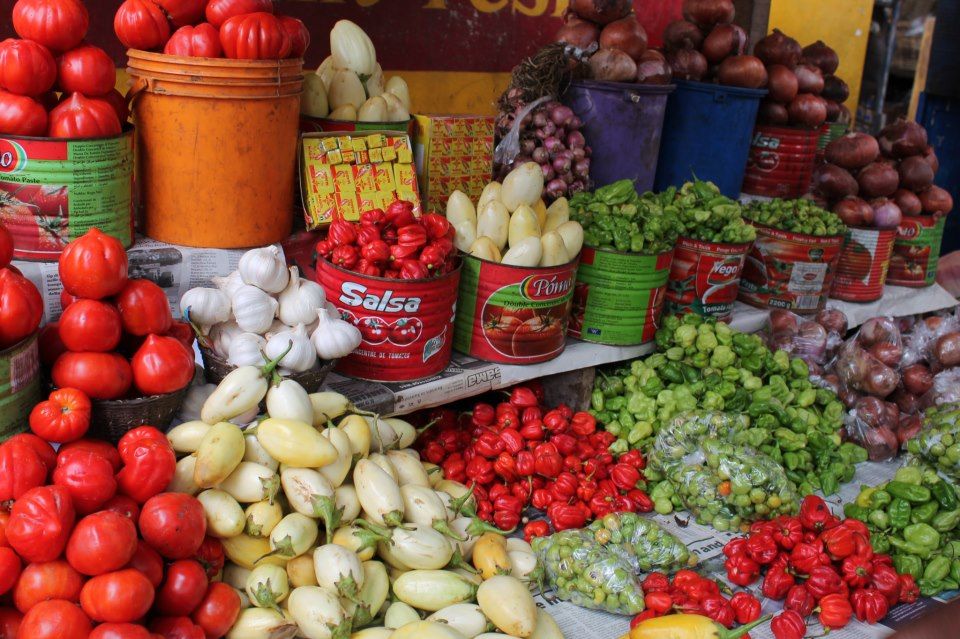
The unfolding tomato export ban by Burkina Faso should have been a wake-up call to any serious government in Ghana.
Instead, it has exposed, yet again, the glaring incompetence and reactive posture of the administration led by John Dramani Mahama.
What should have been anticipated as a regional economic shift has now become a looming threat to Ghana’s already fragile food security system.
Burkina Faso’s decision is not impulsive. It is strategic, calculated, and rooted in a deliberate policy to strengthen domestic agro-processing.
Under the leadership of Ibrahim Traoré, the country is prioritizing local industry over raw exports.
Meanwhile, Ghana’s leadership appears stuck in a cycle of excuses and inaction, watching from the sidelines as regional dynamics evolve.
It is astonishing that a government that constantly boasts of experience has failed to anticipate such a move.
The signals have been clear for years: countries are turning inward, protecting local industries, and building resilience.
Yet the Mahama administration has shown no urgency in developing Ghana’s own agricultural processing capacity.
The tomato value chain in Ghana has long been weak, disorganized, and neglected.
Farmers struggle with post-harvest losses, processors complain of inconsistent supply, and consumers face periodic price hikes.
Instead of addressing these structural issues, the government has allowed the country to remain dependent on imports and cross-border trade.
Now, with Burkina Faso shutting its doors, Ghana finds itself exposed. This is not just about tomatoes; it is about the absence of foresight.
A competent administration would have diversified supply sources, strengthened local production, and built buffer systems to absorb such shocks.
Rather than proactive governance, what Ghanaians are witnessing is a leadership that reacts only when crises hit.
This pattern has become all too familiar. Whether it is energy, inflation, or now food security, the response is always late, always inadequate, and always wrapped in rhetoric.
The irony is painful. While Burkina Faso is taking bold steps to industrialize its agricultural sector, Ghana continues to export raw potential and import finished vulnerability.
This is not just a policy failure; it is a failure of vision. One cannot ignore the glaring contrast between decisive leadership and complacent governance.
The Burkinabè authorities acted swiftly to protect their local processors. In Ghana, however, there is no clear roadmap to protect local farmers or ensure steady supply to domestic markets.
The Mahama administration’s inability to implement effective countermeasures is deeply troubling.
Where is the emergency response plan? Where are the incentives for local tomato production?
Where is the investment in storage and processing infrastructure? The silence is deafening.
It is not enough to lament external shocks. Leadership demands preparation. It demands anticipation. It demands action.
Unfortunately, this administration seems content with merely reacting to events rather than shaping outcomes.
This failure has real consequences for ordinary Ghanaians. Prices will rise.
Availability will shrink. Small-scale traders will suffer. And once again, the burden will fall on the very people the government claims to protect.
The lack of coordination within the agricultural sector further compounds the problem. Ministries operate in silos, policies are inconsistently implemented, and long-term strategies are either absent or ignored.
This is governance by drift, not by design. Even more frustrating is the absence of accountability. When policies fail or opportunities are missed, there is no sense of responsibility. Instead, blame is shifted, excuses are manufactured, and the cycle continues.
The tomato ban should have been an opportunity for Ghana to showcase resilience.
Instead, it has become a mirror reflecting the administration’s shortcomings. It reveals a government that is perpetually unprepared.
The broader implication is even more alarming. If Ghana cannot handle a disruption in tomato supply, what happens when larger, more critical commodities are affected?
The lack of preparedness is a ticking time bomb.
Agriculture is the backbone of Ghana’s economy, yet it remains one of its most neglected sectors.
This contradiction is at the heart of the current crisis. Without serious investment and reform, such vulnerabilities will persist.
The Mahama administration’s approach to governance raises serious questions about competence and priorities.
Development is not achieved through speeches and promises; it requires deliberate, sustained action.
Ghanaians deserve better than a government that is constantly playing catch-up.
They deserve leadership that anticipates challenges and prepares accordingly. Unfortunately, that is not what they are getting.
The situation demands urgent intervention. Policies must be re-evaluated, investments must be accelerated, and local production must be prioritized. Anything less would be a continuation of failure.
Ultimately, this crisis is not just about tomatoes. It is about leadership. It is about vision. And above all, it is about the consequences of incompetence at the highest levels of government.
If this administration fails to act decisively now, the repercussions will extend far beyond the agricultural sector. And once again, it will be the ordinary Ghanaian who pays the price for leadership that simply refuses to lead.
This cannot — and must not — be business as usual.
God Bless Our Homeland Ghana!!!
Long Live Ghana, long live the Elephant Party!!!!
Kukruduuuu Eeeessshiii!!!
Signed:
Nana Osei Boateng
NPP GERMANY
Communications Director