









Author: Peter Martey Agbeko
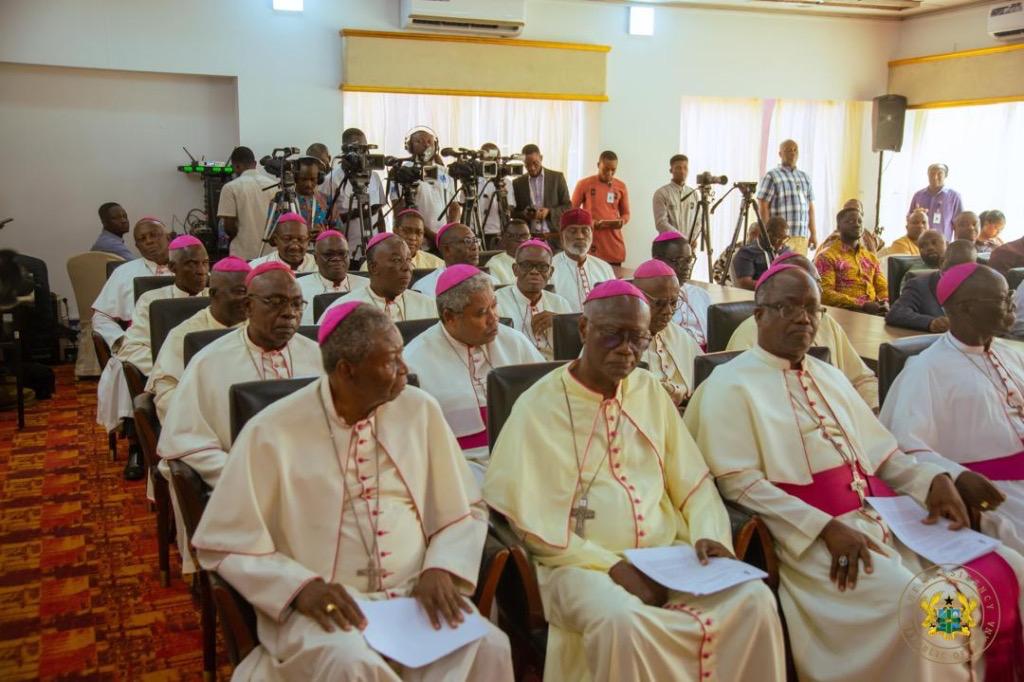
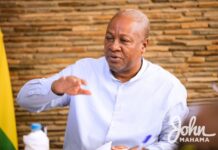
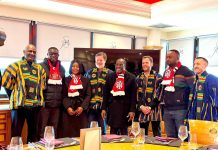
In a significant meeting at Jubilee House on May 23, 2025, President John Dramani Mahama received a 20-member delegation from the Ghana Catholic Bishops’ Conference (GCBC), led by its President, Most Rev. Matthew Kwasi Gyamfi, who is also the Bishop of the Sunyani Diocese. The Bishops congratulated President Mahama on his victory in the December 7, 2024, general election and presented pressing national concerns, notably the menace of illegal mining (galamsey) and challenges in the education sector.
A Call to Action on Galamsey
The GCBC expressed deep concern over the environmental devastation caused by galamsey, which has escalated from subsistence activity to a national crisis. They urged President Mahama to declare a limited state of emergency in affected zones, suspend all mining activities temporarily, deploy military engineering units for reclamation of degraded areas, and restore lawful local governance with decentralized oversight.
“The destruction of our water bodies and forests due to illegal mining is alarming. We must act decisively to protect our environment for current and future generations,” emphasised Most Rev. Gyamfi.
President Mahama acknowledged the complexity of combating galamsey, noting that over 1.5 million Ghanaians are involved in small-scale mining, often due to limited economic opportunities. He distinguished between legal small-scale mining, reserved for Ghanaians, and illegal operations, often exacerbated by foreign involvement and destructive equipment.
“Combating galamsey is a complex fight. Many of our unskilled youth find illegal mining an easy avenue for income. However, the involvement of foreigners and the use of destructive equipment have intensified the problem,” President Mahama stated.
Addressing Indiscipline in Education
The Bishops also raised concerns about rising indiscipline in Senior High Schools (SHSs), citing incidents involving weapons and a general breakdown of moral values. They advocated for a collaborative approach between the Ghana Education Service and religious institutions to reinforce discipline and moral education.
President Mahama concurred, highlighting the need for enhanced cooperation to ensure teacher attendance and effective moral instruction.
“There is a breakdown of values and morals, and that is creating issues in our schools. Incidents where students possess weapons are alarming. We need to collaborate with churches to ensure teachers are present and moral education is emphasized,” he noted.
Additionally, the President apologised for the delayed invitation extended to the Christian Council and the GCBC to participate in the National Education Forum, reaffirming his commitment to inclusive dialogue on educational reforms.
Advocating for Electoral Reforms
Beyond environmental and educational concerns, the Bishops advocated for reforms in the appointment frameworks of the Electoral Commission to ensure its independence. They recommended reconstituting the Commission’s appointment processes, establishing an independent commission for democratic integrity with prosecutorial powers, and institutionalizing a civil service charter to protect public servants.
A Moral Compass for the Nation
The meeting underscored the influential role of the Catholic Church in Ghana’s socio-political landscape. The Bishops’ appeal serves as a moral compass, urging the nation to prioritise environmental stewardship, educational excellence, and democratic integrity.
As Ghana confronts these challenges, the collaboration between religious leaders and the government could pave the way for meaningful change, ensuring a sustainable and prosperous future for all citizens.