






















Author: Victoria Beeko Danso A.k.a Akosua Gold || Broadcast Journalist, AMANSAN TV
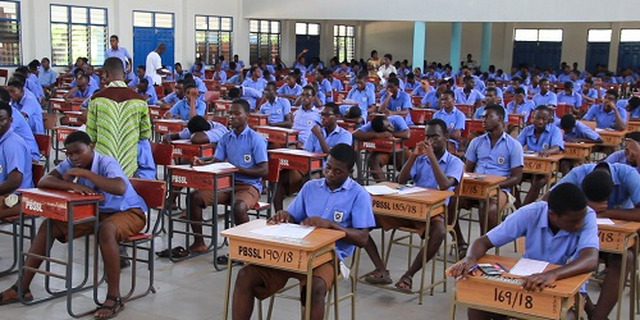
Across Ghana, the debate over rising indiscipline in our second cycle institutions has intensified. Dormitory disturbances, clashes with authorities, declining academic seriousness — the concerns are real. And in response, many are advocating for the return of corporal punishment, arguing that the cane will restore order.
But before we rush backward, we must ask a fundamental question: What exactly does caning achieve?
The Illusion of Quick Fixes
The call for corporal punishment is often rooted in nostalgia — the belief that “in our time, the cane kept us in line.” But were students disciplined, or simply afraid?
Fear can produce temporary compliance. It can silence a classroom. It can suppress visible misconduct. But it does not necessarily build character, self-control, or moral conviction. Discipline that depends on force disappears once the force is removed.
If indiscipline is rising, then we are dealing with something deeper than a shortage of canes.
If a Child Fails Mathematics, What Does Beating Achieve?
Consider a student who performs poorly in Mathematics. What does caning accomplish in that situation?
Does it improve understanding of equations?
Does it address a weak academic foundation?
Does it correct anxiety or a learning difficulty?
Or does it simply add humiliation to frustration?
Academic failure is not always rebellion. A child may struggle due to overcrowded classrooms, limited individual attention, gaps in foundational education, emotional distress, or undiagnosed learning challenges.
Treating poor performance as misconduct confuses struggle with defiance. Fear may push a child to cram. It does not nurture confidence or comprehension.
Discipline Must Go Beyond Punishment
There is a difference between correcting behavior and developing character. Corporal punishment focuses on the immediate act. Character formation focuses on long-term transformation.
True discipline helps young people:
Understand consequences
Regulate emotions
Accept responsibility
Make better decisions independently
Violence may enforce silence. It rarely teaches reflection.
Where Are the Counselling Services?
If we are serious about reform, we must ask uncomfortable questions. How well-resourced are guidance and counselling units in our schools?
How many trained counselors or psychologists are available to students navigating adolescence, peer pressure, family instability, and academic stress?
When students act out, it is often communication — not just rebellion.
Instead of investing in canes, we should be investing in:
Professional counselling services
Emotional intelligence education
Peer mentorship programmes
Conflict resolution training for teachers
Structured parental involvement
Counselling does not excuse wrongdoing. It addresses root causes.
The Home and Community Responsibility
Schools cannot shoulder this burden alone. Indiscipline is not born in classrooms; it is shaped long before students arrive at school gates.
Parents must move beyond paying fees and providing devices. Presence matters. Conversations matter.
Boundaries matter. Respect must be modelled, not merely demanded.
In a deeply religious nation like Ghana, churches and mosques wield significant influence. But sermons must translate into structured youth mentorship, practical moral guidance, and consistent accountability.
Communities, media platforms, and public figures also shape values. If society glorifies wealth without integrity and power without humility, young people will mirror those priorities.
Firmness Without Violence
Let us be clear: schools need order. Rules must be enforced. Consequences are necessary. But firmness does not require physical harm.
There are effective alternatives:
Restorative justice approaches
Behaviour contracts involving parents.
Structured detention systems
Student leadership and peer accountability models
Community service within school
These methods promote responsibility without humiliation.
A National Values Reset
Youth indiscipline is not merely a school problem. It is a societal mirror.
If we want responsible citizens tomorrow, we must intentionally build character today — in homes, in classrooms, in churches, in mosques, and in communities.
The cane may produce silence.
Counselling produces understanding.
Values produce self-discipline.
And in the long run, it is self-discipline — not fear — that sustains a nation.