














A renewed national debate over Ghana’s history, identity and collective conscience has been reignited as a coalition of concerned citizens formally launched an advocacy campaign to rename the Kotoka International Airport (KIA).
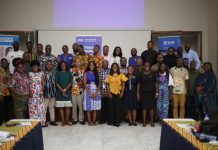
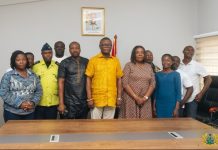
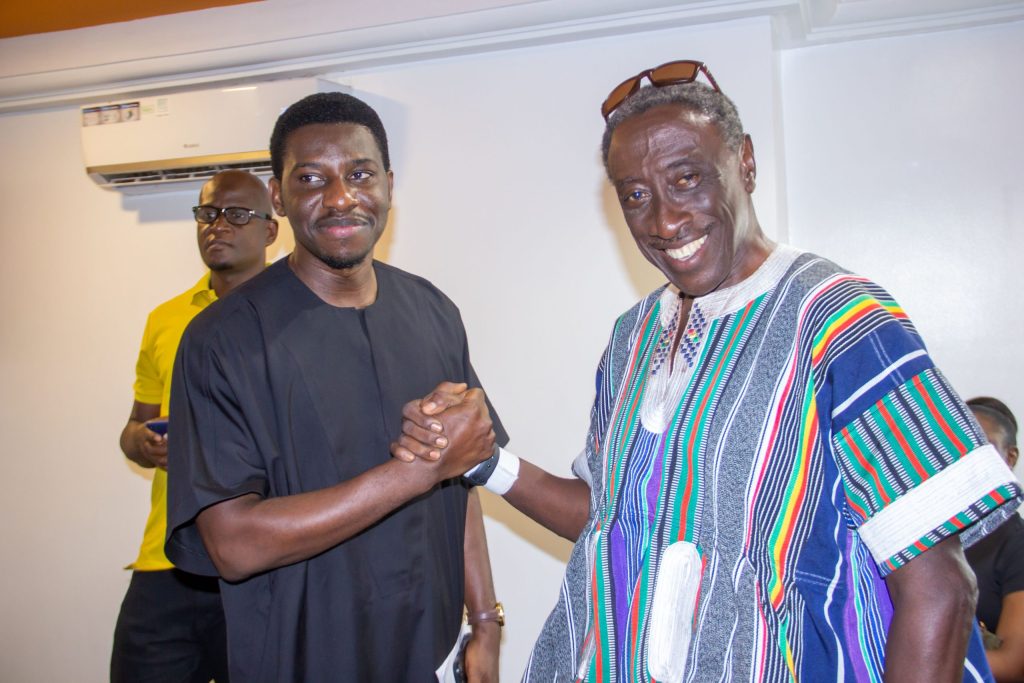
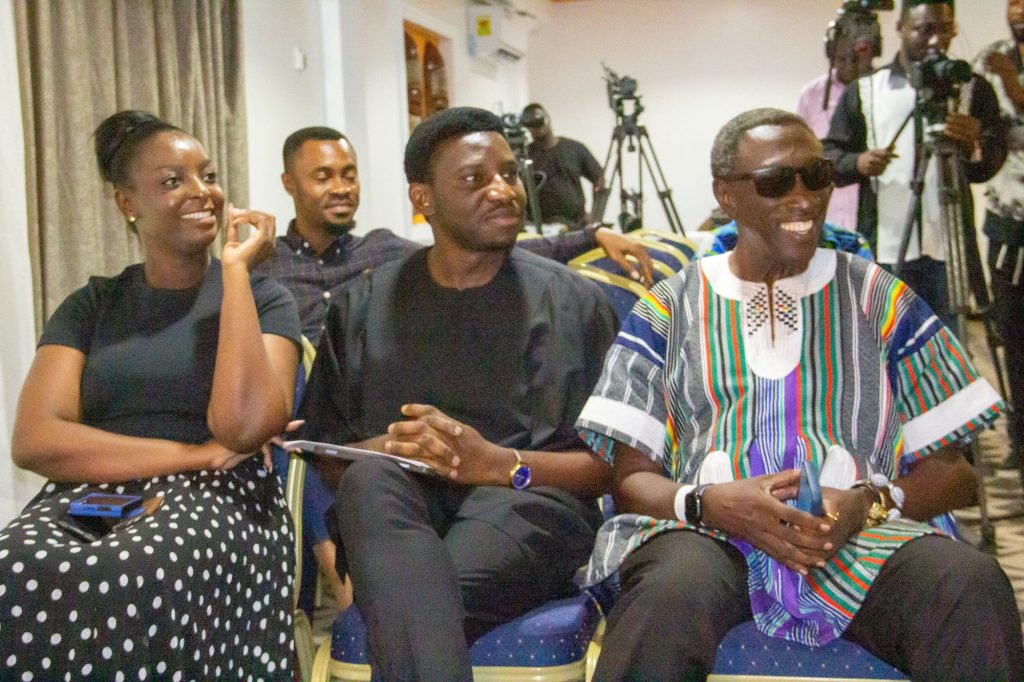
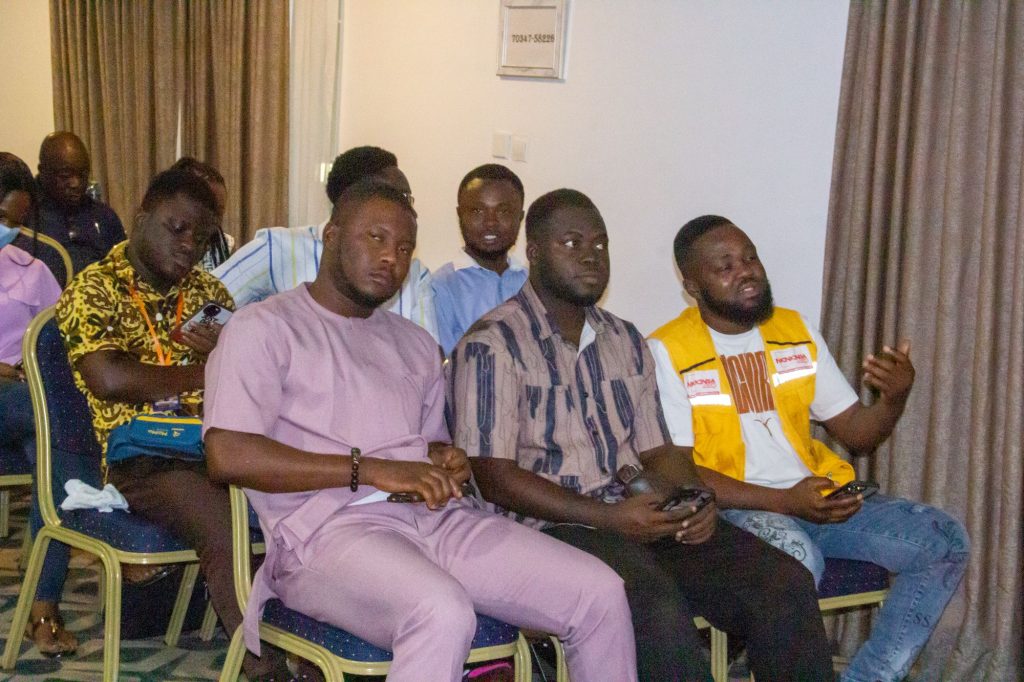
The event, held at the Airport View Hotel in Accra’s Airport Residential Area, Monday 19th January 2026, brought together politicians, civil society actors, traditional authorities, activists and members of the public.
Addressing the gathering, lead advocate Steven Odarteifio framed the campaign as a moral and historical imperative rather than a partisan exercise.
“We are here today because our conscience will not give us rest,” he declared, insisting that the issue transcends politics and policy and strikes at the very spirit of the Ghanaian nation.
Mr. Odarteifio reminded the audience that February 24, 2026, will mark exactly 60 years since the overthrow of Osagyefo Dr. Kwame Nkrumah, Ghana’s first President and Founder of the Republic.
He described the anniversary as an opportunity for deep national reflection on how Ghana remembers its past and projects its values to the world.
Tracing the origins of the airport’s current name, he recalled that Lt.-Gen. Emmanuel Kwasi Kotoka, one of the key figures behind the 1966 coup, was killed at the Accra International Airport during the failed counter-coup, Operation Guitar Boy, in April 1967.
“His friends and co-conspirators decided that the best way to remember him was to place his name on the nation’s front door,” Mr. Odarteifio said.
As a result, Accra International Airport was renamed Kotoka International Airport, a decision the speaker argued symbolically elevated a coup-era figure above the founding ideals of the Republic.
“Ghana’s gateway to the world ended up carrying the name of a coup-era figure, rather than the name that represents Ghana’s founding story,” he noted.
Mr. Odarteifio posed a central question that resonated throughout the hall: “How can we, as a people, continue to honour the memory of overthrow at the very door of the Republic?”
He maintained that the name of the airport sends a powerful message, whether consciously intended or not.
Emphasising the symbolic importance of the facility, he said, “An airport is not just an airport. It is the nation’s handshake. It is the first greeting. It is the first sentence Ghana speaks to the world.” According to him, symbols matter deeply in shaping national identity.
He cited passenger statistics to underscore the global reach of the airport, noting that about 3.4 million passengers passed through KIA in 2024 alone.
During festive seasons such as Christmas, he added, thousands of Ghanaians in the diaspora return home, many inspired by Ghana’s independence story and the legacy of Dr. Nkrumah.
“Yet the first word on the front door points them not to the spirit of independence, but to the memory of overthrow,” he lamented.
He vividly described how travellers encounter the airport’s name repeatedly—from e-tickets and itineraries to boarding announcements and arrival briefings.
“Before they learn our story, before they taste our hospitality, they have already heard one Ghanaian name over and over again,” Mr. Odarteifio said. He questioned whether this was the story Ghana wished to export “millions of times, year after year.”
He argued that the name Kotoka has arguably become the most repeated Ghanaian name worldwide, surpassing globally respected figures such as former UN Secretary-General Kofi Annan and Ghana’s various democratically elected leaders. This, he said, was a distortion of national priorities and values.
The advocate stressed that the campaign was not an attempt to erase history.
“We can teach the story of Kotoka and the NLC in our schools. We can preserve that memory in our museums. We can debate that past in our books and documentaries,” he explained.
However, he insisted that the nation’s most prominent symbol of welcome should represent unity and pride.
“The sign at our front door must represent what unites us, what uplifts us, what we are proud to project,” he said, adding emphatically, “Kotoka International Airport is not a name we should be proud to project.”
Mr. Odarteifio listed several reasons supporting the renaming, including the absence of major national development achievements directly linked to Kotoka beyond his military career.
He also referenced the removal of Kotoka’s statue from the airport forecourt in October 2000, noting that it had not been reinstated by successive governments.
“If that memorial could be removed and left unreinstated across administrations, then the airport name itself can also be reconsidered,” he argued.
He further cited the long-term political instability triggered by the 1966 coup, which he said Ghana took decades to overcome.
Drawing comparisons with other African nations, Mr. Odarteifio observed that most countries name their main airports after their founding presidents or unifying national figures.
He cited Jomo Kenyatta International Airport in Kenya, Julius Nyerere International Airport in Tanzania and Nnamdi Azikiwe International Airport in Nigeria as examples.
In contrast, he described Dr. Kwame Nkrumah as “Ghana and Africa’s most globally recognised independence symbol,” recalling his designation by the BBC as Africa’s Man of the Millennium.
“A beacon of selflessness,” he added, whose name, he said, continues to inspire pride across the continent.
The advocacy group announced plans to formally petition Parliament, the Ministry of Transport and the Ministry of Foreign Affairs in the coming days.
“To Parliament, we say, heed our call,” Mr. Odarteifio stated, urging lawmakers to treat the matter with the seriousness it deserves.
He also appealed to the Judiciary to provide “constitutional clarity and timely direction” in response to existing legal actions, including a petition filed by Democracy Hub and Samia Nkrumah, daughter of Ghana’s first President.
Traditional rulers and religious leaders were likewise called upon to lend their moral authority. “What we are correcting is not only a name—it is the spirit of our national story,” he said.
Mr. Odarteifio commended individuals and groups such as Democracy Hub, Samia Nkrumah, Kweku Sintim-Misa and Kwesi Pratt Jnr. for what he described as their “lawful and courageous” efforts to bring the issue into national focus.
In an emotional segment of his address, he recounted the return of Dr. Nkrumah’s body to Ghana on July 7, 1972.
He described the irony of the nation’s founder being received at an airport bearing the name of one of the architects of his overthrow, asking, “How does a country claim to honour its father, yet welcome him at a front door bearing the name of betrayal?”
He suggested that this unresolved contradiction has prevented the full reconciliation of Ghana’s national spirit.
“We have kept his memory, but we have not completed his honour,” he said, adding that until the issue is addressed, “his spirit has never fully returned.”
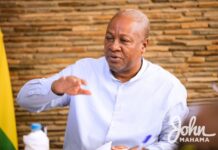
Turning directly to President John Dramani Mahama, Mr. Odarteifio reiterated the President’s New Year message urging the youth to lead.
“At this moment, we have answered that call,” he said, urging the President to “reset this name of our national gateway to ease the troubled conscience of our motherland.”
He further described the decision as a defining legacy moment.
“Let Ghana’s international gateway speak one clear sentence to the world: Kwame Nkrumah International Airport,” he declared, ending with a prayer for national unity and progress:
“God bless our homeland Ghana and make our nation great and strong.”