














The New Patriotic Party (NPP) has ushered in a new crop of national executives with the mandate of rebuilding the party and positioning it for a strong comeback in the 2028 general elections.
The new leadership emerged from the party’s national elections held in Kumasi, where delegates selected individuals expected to provide strategic direction as the NPP prepares for another major political contest.
John Boadu has been elected National Chairman, taking charge of the party’s overall political administration and organisational direction.
Justin Frimpong Kodua, meanwhile, retained his position as General Secretary, giving the party continuity at the secretariat level as the new executive team begins its work.
The position of First Vice Chairman has gone to Kojo Fosu Boadu, popularly known as Kojo Bamba, who will serve as one of the key figures supporting the National Chairman in coordinating the affairs of the party.
Henry Nana Boakye, widely known as Nana B, was elected Second Vice Chairman, while Nana Akomea secured the position of Third Vice Chairman.
The three vice chairpersons are expected to play critical roles in strengthening coordination among the various structures of the party and supporting efforts to reconnect the leadership with its grassroots base.
Nii Kwartei Titus-Glover has also been elected National Organiser, placing him at the centre of efforts to mobilise party supporters and strengthen the NPP’s organisational structures across the country.
Mavis Hawa Koomson emerged as the new National Women’s Organiser, taking responsibility for coordinating the party’s women’s wing and enhancing its engagement with female supporters and stakeholders.
The Youth Wing will be led by Abanga Fuseini, who was elected National Youth Organiser.
His mandate will include strengthening the party’s engagement with young people, expanding youth participation in the NPP and helping position the party to respond to the concerns of Ghana’s youthful population.
Alfred Kojo Thompson was elected National Treasurer and will oversee the financial administration of the party as the new leadership settles into office.
Alhaji Mohammed Ali Suraj was also elected Nasara Coordinator, giving him responsibility for coordinating the party’s engagement with Muslim communities and other groups under the Nasara structure.
The composition of the new executive team comes at a crucial period for the NPP as it seeks to reorganise its structures, consolidate its support base and prepare for the next presidential and parliamentary elections.
The new leadership is expected to confront a number of challenges, including rebuilding confidence among supporters, strengthening internal cohesion and developing a compelling political message ahead of 2028.
The party will also be under pressure to deepen its grassroots mobilisation and address concerns raised by sections of its membership following its performance in previous elections.
With experienced political figures occupying key positions, the new executives are expected to combine institutional experience with fresh strategies as they begin preparations for the electoral contest.
The leadership transition also signals the beginning of what could be an intense period of political reorganisation within the NPP as the party seeks to reclaim power from the governing National Democratic Congress (NDC).
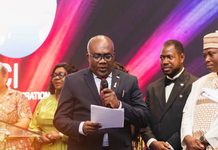
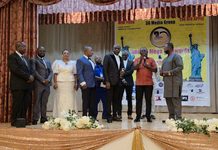
The newly elected executives were sworn into office shortly after the declaration of the results, formally commencing their respective mandates.
Their immediate task will be to unite the party behind a common agenda while building an organisational structure capable of competing effectively across Ghana’s political landscape.
As preparations for 2028 gradually gather momentum, attention will now turn to how the new NPP leadership translates its electoral mandate into a coherent strategy capable of restoring the party’s fortunes and mounting a serious challenge for political power.