














Dear Mr President,
I write to you not merely as a broadcast journalist but as a mother and concerned citizen who believes that the safety, dignity and future of Ghanaian children must matter more than political loyalty, institutional reputation or personal ambition, and that a party card must not mean immunity.
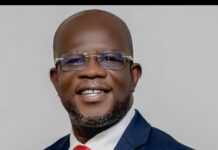
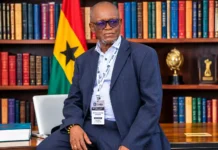
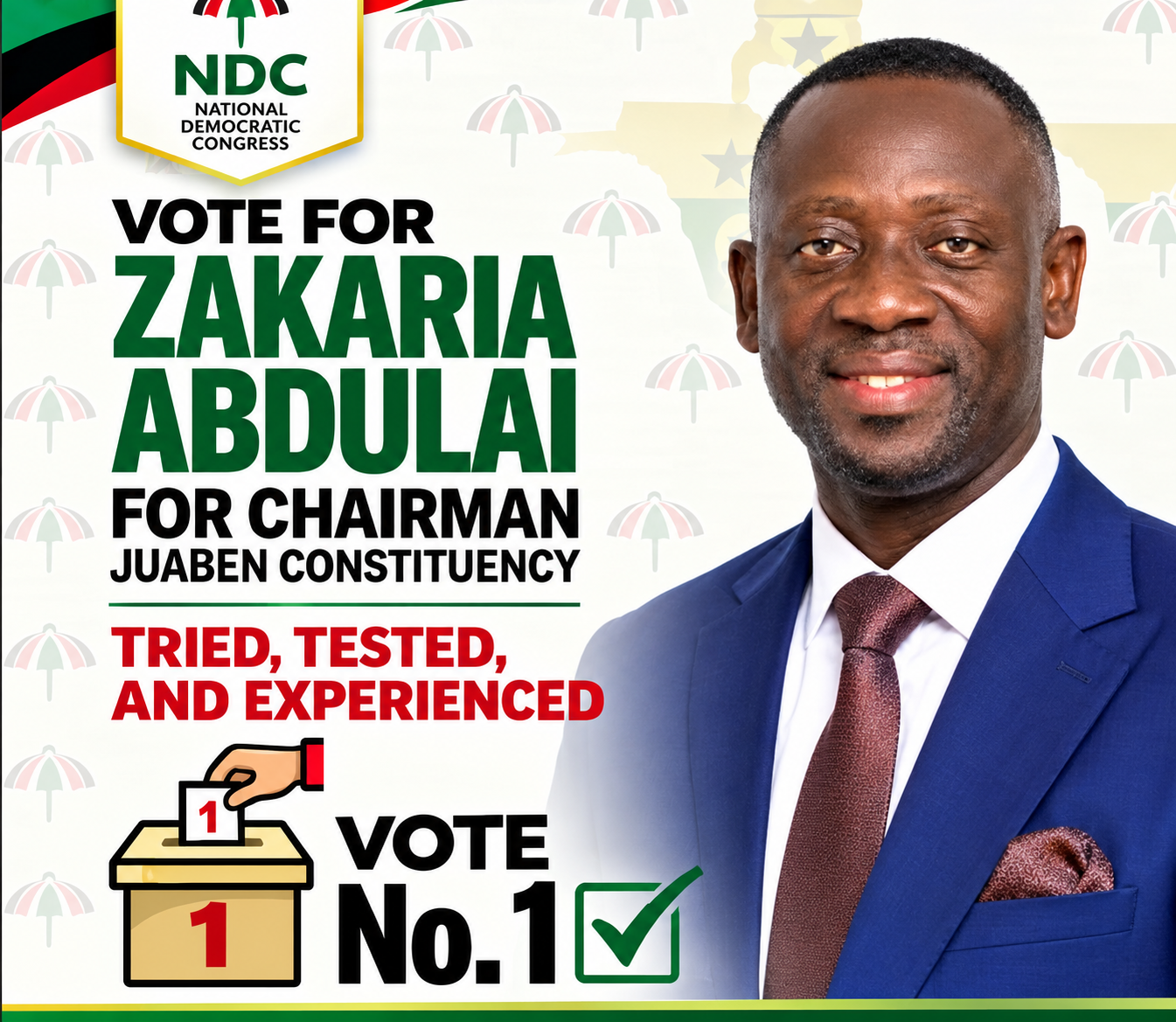
The allegations of sexual misconduct involving the headmaster of Obuasi Senior High Technical School, Zakaria Abdulai, have raised serious questions about child protection, accountability within our educational institutions and the standards expected of people entrusted with positions of authority.
We’ve been told the allegations are under investigation and that Mr Abdulai is entitled to the presumption of innocence. No responsible society should condemn a person before the facts are established. However, the presumption of innocence must not become an excuse for institutions to ignore legitimate safeguarding concerns or delay necessary protective measures.
Mr President, this is precisely why I am appealing to your office to ensure that the appropriate institutions do their work diligently, independently and without political interference.
Ghana has a legal framework that recognises the dignity, welfare and protection of children.
Article 28 of the 1992 Constitution places a specific obligation on the state and society to protect children from treatment that threatens their well-being and development. Article 15 further protects the dignity of every person, while Article 17 guarantees equality before the law.
The Children’s Act, 1998 (Act 560), reinforces the principle that the welfare and best interests of the child must be paramount in decisions concerning children.
These are not merely provisions to be quoted at public ceremonies. They must guide the decisions of our schools, education authorities, law enforcement agencies and political institutions.
The Ghana Education Service also has a Code of Conduct that sets professional standards for its personnel. Those entrusted with school leadership must be held to the standards of integrity, professional responsibility and accountability expected of their office, are those codes of conduct being implemented or adhered to?
Mr President, if our laws promise children protection, then our institutions must demonstrate that promise in practice. A school must be a place where students can learn, develop and pursue their ambitions without fear that the authority entrusted with their care could be misused.
Why must students run errands, cook,wash, clean and perform chores for teachers, is that why we sent them to school?
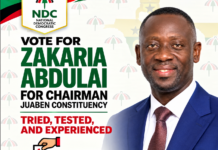
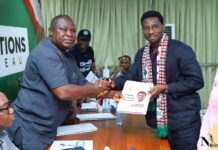
Then there is the decision by the National Democratic Congress to clear Mr Abdulai to contest the party’s Juaben constituency chairmanship despite the ongoing investigations., to hear the NDC talk about his rights is truly rich, how about the students who have stayed home since the school was closed down, do they not have rights?
How about the rights of the girls who were allegedly abused?
Their parents who feel helpless and have not received the justice they deserve?
How about the over 38 teachers who according to NAGRAT were victimized because they spoke against the actions of this headmaster?
Reports published on October 20, 2026, indicate that the party reconsidered its earlier position after giving Mr Abdulai an opportunity to present his side. The party has explained that the decision was informed by fairness, natural justice and the need not to prejudge the investigations.
I recognise the importance of those principles. Every individual deserves a fair hearing, and political parties have internal procedures that they are entitled to apply.
Nevertheless, Mr President, fairness must be accompanied by sensitivity to the public interest.
The question is not whether Mr Abdulai should be declared guilty before investigations are concluded. He should not. The question is whether allowing a person facing serious, unresolved allegations connected to the institution he leads to proceed with a political leadership contest, while the investigations continue, inspires public confidence in the standards expected of those seeking positions of responsibility.
The NDC’s decision does not establish guilt or innocence. However, it creates a legitimate public-interest question about how political organisations balance an aspirant’s rights with their responsibility to uphold public confidence and demonstrate ethical leadership.
Mr. President, you swore an oath to the good people of Ghana and not to your political party
Your government has a responsibility to ensure that public institutions discharge their duties according to the law. I am not asking you to determine the guilt or innocence of Mr Abdulai. That is not your role, and it should not be the role of any political officeholder.
I am asking you to ensure that the relevant authorities are given the independence, resources and institutional support necessary to establish the facts.
First, the police investigation must be thorough, professional and free from political pressure. Every relevant piece of evidence must be considered, and anyone with material information should be able to cooperate without intimidation.
Second, the Ghana Education Service must conduct its administrative investigation in accordance with its procedures and professional standards. All those who are found to be enablers, those who warned the girls not to talk, must all face the full rigour of the law
Where interim measures are necessary to safeguard students and protect the integrity of the investigation, they should be taken lawfully and proportionately.
Third, the welfare of the students involved must remain a priority. Appropriate counselling, confidential reporting channels and protection from intimidation or retaliation should be available. Their identities and privacy must be protected throughout the process.
Fourth, if the investigations establish wrongdoing, the appropriate legal and disciplinary consequences must follow, regardless of the person’s political affiliation, influence or position. If the allegations are not substantiated, that conclusion must equally be respected.
This is what the rule of law requires: a credible process that delivers accountability where wrongdoing is established and fairness where allegations remain unproven
Again, Mr President, this matter should not end with an investigation into one individual.
Ghana must also be willing to examine whether our school reporting and safeguarding systems are working as they should. Were concerns reported to the appropriate authorities? If so, were they acted upon promptly? Do students know where to report misconduct involving a teacher, headmaster or another senior official? Are those who receive complaints adequately trained and held accountable for their response?
These questions must be investigated where evidence warrants it.
A safeguarding system that responds only after a matter becomes a national controversy is not enough. We need systems that encourage early reporting, protect complainants and ensure that concerns are escalated to the appropriate authorities without unnecessary delay.
Parents entrust their children to our schools with the expectation that they will be protected. Teachers and school administrators are expected to uphold that trust. The state must ensure that the systems designed to protect students are functional, accessible and accountable.
JUSTICE MUST NOT BE SELECTIVE
Mr President, one of the greatest threats to public confidence is the perception that the application of the law depends on who a person knows, which political party they belong to or how influential they have become.
Article 17 of our Constitution establishes equality before the law. That principle must be reflected in how allegations are investigated and how institutions respond to them.
The NDC, as the governing party, has an opportunity to demonstrate that the protection of children and the integrity of public institutions are not partisan issues. They are national responsibilities.
Similarly, the Ministry of Education, the Ghana Education Service and the police must demonstrate through their actions that their primary obligation is to the law and the public interest, not to the comfort of powerful individuals.
OUR CHILDREN MUST COME FIRST
Mr President, the measure of our democracy is not simply the number of laws we enact or the promises we make. It is whether those laws and promises protect ordinary citizens, especially children and young people who may struggle to challenge authority.
The Obuasi SHTS matter presents Ghana with an opportunity to demonstrate that child protection is a national priority, that public office comes with responsibility, and that political affiliation cannot replace accountability.
Our children deserve schools where their safety is taken seriously. Parents deserve confidence in the institutions to which they entrust their children. Education professionals deserve a system in which ethical conduct is upheld.
I therefore appeal to you, Mr President: let the law take its course. Let the investigations be thorough. Let the students be protected. Let institutional failures, if established, be addressed. And let no political consideration be permitted to obstruct justice.
The future of Ghana depends on the children we educate today and the values we demonstrate to them.
We cannot have abusers in positions of trust.
Our children must come first. The law must apply equally. Accountability must be real.
Yours faithfully,
Victoria Beeko Danso
Broadcast Journalist |Mother| Writer|Citizen