





















Author: Victoria Beeko Danso || Broadcast Journalist And Digital & Cybersecurity Advocate
In a world racing to adopt artificial intelligence, Joycelyn Acquah is asking a different question: Are young people learning to think, or just learning to click?
The AI education advocate, entrepreneur and youth innovation leader is emerging as one of Ghana’s most compelling voices on the future of learning, insisting that Africa’s next generation must be more than consumers of AI – they must be critical thinkers, problem-solvers and responsible creators.
At the heart of her work is a simple but powerful philosophy: human thinking must come before machine thinking.
Through her work with Think Like AI, Acquah is pioneering a new approach to AI education in Ghana and beyond. The initiative does not teach young people to simply use AI tools. Instead, it trains them to develop independent reasoning, critical thinking and practical problem-solving skills first, then apply AI to amplify those abilities.
For her, AI literacy is not about prompting. It is about questioning. Understanding how the technology works, where it fails, what biases it carries, and how it can be ethically deployed to solve real problems in Ghanaian communities.
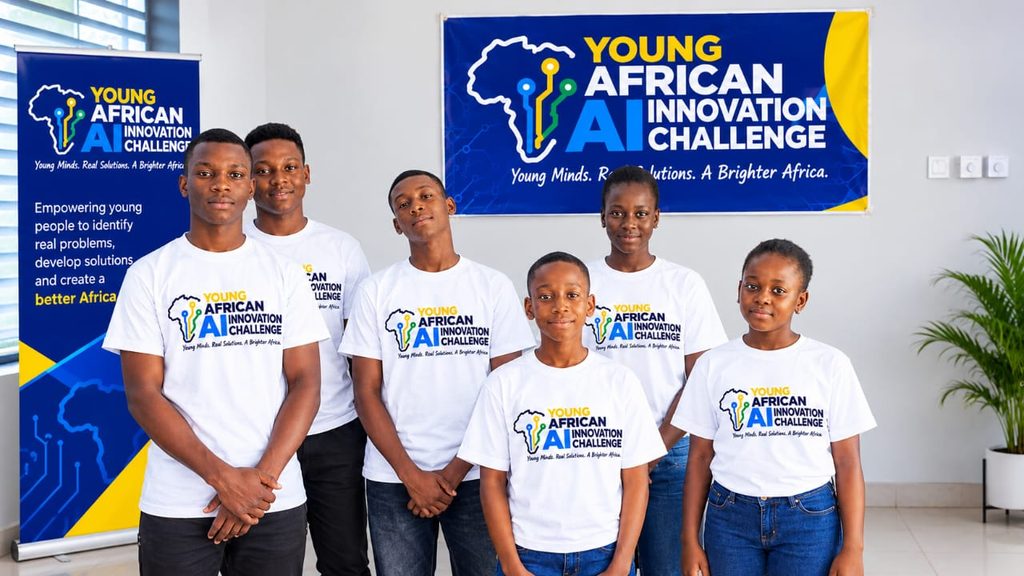
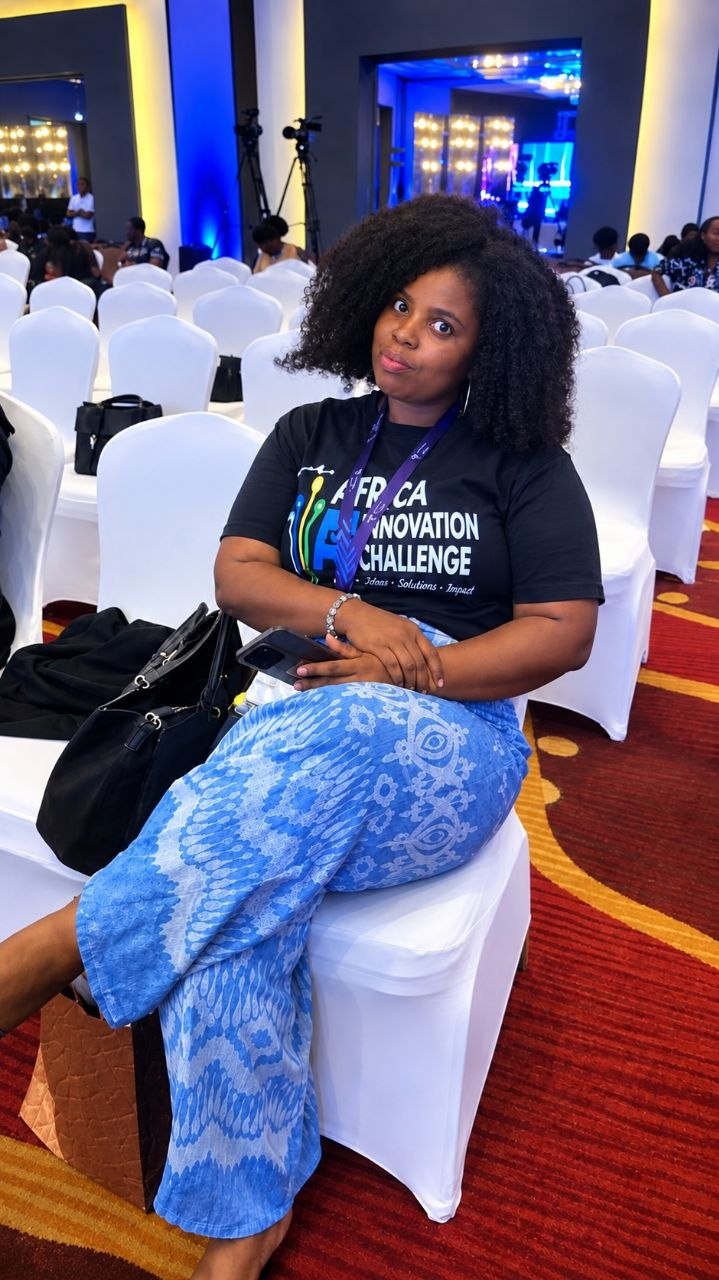
It is this human-centered vision that led her to co-found the Young African AI Innovation Challenge (YAIC), a continental platform with a local soul.
YAIC challenges young Africans to look around their own communities, identify real challenges – from sanitation to education to agriculture – and develop innovative solutions using critical reasoning, technology and responsible AI.
It is less of a competition and more of an incubation lab for civic problem-solvers, giving youth not just a stage, but a toolkit and a methodology for impact.
What sets Acquah apart is her focus on application over abstraction. While many AI programs focus on theory imported from abroad, her approach is rooted in Ghanaian realities, encouraging solutions that are low-cost, locally relevant and community-driven.
Colleagues describe her as a bridge-builder between education, technology and entrepreneurship, with an ability to translate complex AI concepts into language and projects that secondary school students can own.
Beyond the classroom and innovation labs, Acquah is a strong advocate for inclusion, particularly for girls in technology.
She is intentional about creating spaces where young women see themselves not just as participants in tech, but as leaders, founders and innovators shaping the continent’s technological future.
Her advocacy extends to leadership and entrepreneurship, arguing that digital skills alone are not enough. Young people need confidence, mentorship and opportunities to turn ideas into enterprises.
Entrepreneurial at heart, she views youth unemployment not as a jobs deficit but as an innovation deficit, one that can be solved if young people are empowered to create rather than wait.
At a time when concerns about AI replacing jobs dominate global conversations, Joycelyn offers a counter-narrative: prepare young people to work with AI, to think better than AI, and to use AI to create jobs that did not exist before.
Her broader vision is ambitious yet clear – to help build an African generation that does not just consume technology built elsewhere, but shapes technology for Africa, by Africa.
It is a generation that can question algorithms, build ethical solutions, lead innovation labs, and drive meaningful change in their communities.
From classroom workshops to innovation challenges, Joycelyn Acquah is quietly building that generation, one young thinker at a time.
And in doing so, she is redefining what it means to be AI-ready in Africa: not just knowing how to use the tool, but having the mind to master it.