






















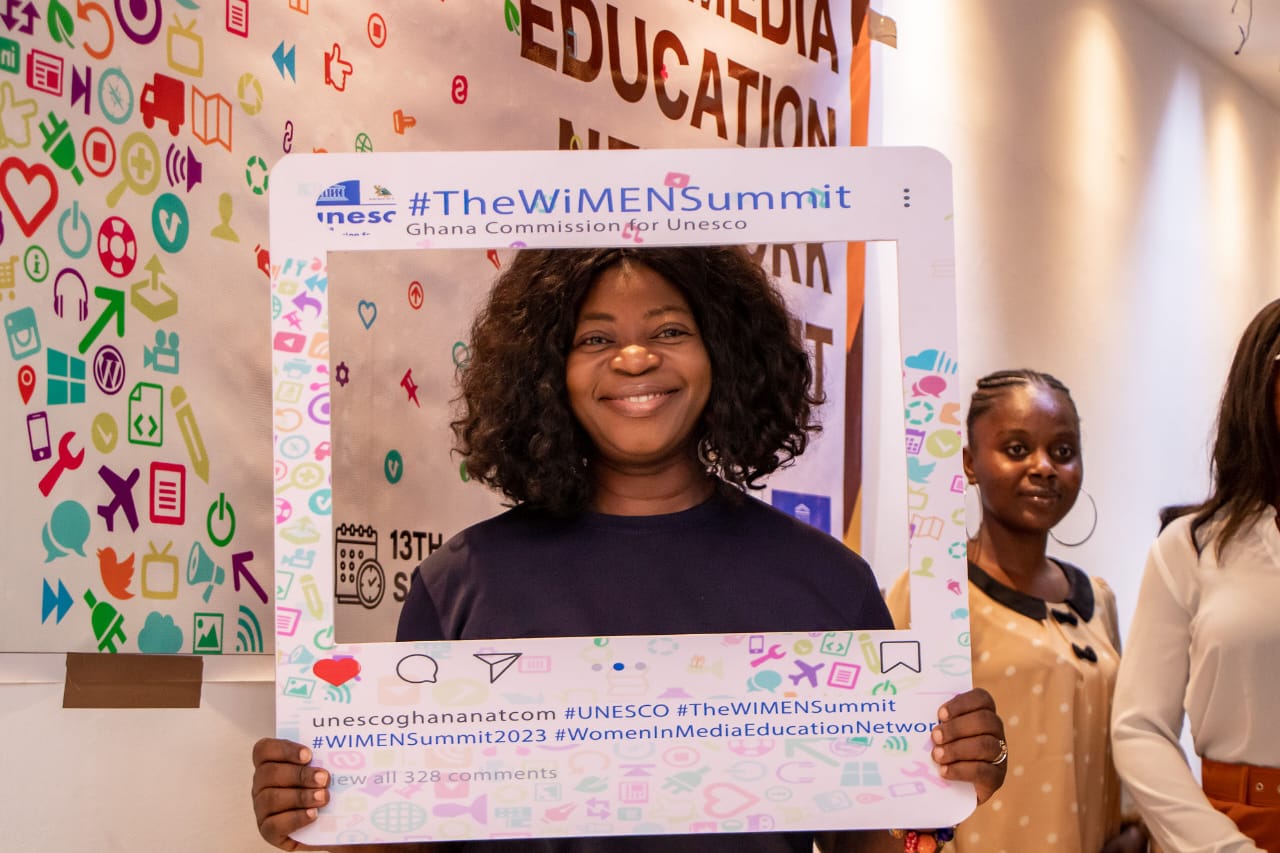
Author: Victoria Beeko Danso || Broadcast Journalist and Digital & Cybersecurity Advocate
In September 2023, I participated in the three-day Women in Media Education Network Summit, organised with the involvement of the Ghana Commission for UNESCO and the German Commission for UNESCO. The training covered fact-checking, ethical journalism, cybersecurity and networking.
Three years on, it is worth reflecting on the digital inroads made, the gains recorded, the challenges that persist and what must be done to make the digital space safer for women journalists.
The gains and digital inroads
Over the past three years, digital safety has become an increasingly important part of conversations about journalism, media freedom and cybersecurity. There is growing recognition that journalists must not only report accurately but also protect their digital identities, sources and professional platforms.
Fact-checking has gained greater prominence as misinformation, manipulated images, fabricated news reports and AI-generated content become more difficult to distinguish from authentic information. Media organisations and fact-checking initiatives have continued to highlight the importance of verifying claims before publication, particularly during elections and other major national events.
Cybersecurity awareness has also become more relevant. Journalists are increasingly encouraged to use stronger passwords, enable two-factor authentication, recognise phishing attempts and exercise caution when sharing sensitive information online.
Another important gain is the growing recognition of online harassment as a threat to women’s participation in journalism. Digital abuse is no longer simply an issue of unpleasant online interactions; it can undermine professional confidence, damage reputations and discourage women from expressing their views on public-interest issues.
These developments represent progress in awareness and professional practice. However, the extent to which they have improved the safety of women journalists in Ghana requires continued assessment.
The challenges that remain
Despite these inroads, women journalists continue to face risks in digital spaces.
Online harassment and intimidation: Women who report on politics, governance and controversial public issues can become targets of gender-based insults, threats, impersonation and coordinated online attacks.
Misinformation and digital manipulation: Fake accounts, misleading content and AI-generated images, audio and videos make verification increasingly challenging. Journalists must work harder to establish authenticity and prevent false information from reaching the public.

Cybersecurity vulnerabilities: Weak passwords, phishing attacks, compromised social media accounts and inadequate security procedures can expose journalists and their confidential sources to harm.
Limited institutional support: Digital safety is often treated as an individual’s responsibility rather than an organisational priority. Without clear reporting mechanisms, technical support and appropriate responses to threats, affected journalists may be left to manage incidents on their own.
The gap between awareness and action: Training programmes are valuable, but their impact depends on whether participants apply the knowledge acquired and whether media houses provide the resources and systems needed to sustain safer practices.
The way forward
To consolidate the gains made and address the remaining gaps, several measures are necessary.
- Continuous digital safety training: Media professionals need regular training in cybersecurity, fact-checking, privacy protection, AI-generated misinformation and responses to online harassment.
- Stronger newsroom security policies: Media houses should establish clear procedures for reporting digital threats, securing accounts, protecting sources and supporting journalists whose safety is compromised.
- Accountability for online abuse: Social media platforms, relevant institutions and law enforcement agencies must strengthen appropriate reporting and response mechanisms while respecting freedom of expression and due process.
- Sustained support networks: Women in media should maintain professional networks that encourage mentorship, share digital safety knowledge and provide support to colleagues facing online threats.
- Measuring the impact of training: Organisers of media education programmes should conduct follow-up assessments to establish what participants have implemented, the challenges they face and the additional support required.
- Promoting responsible digital citizenship: Media professionals and the public must be encouraged to verify information, protect personal data, report abusive behaviour and use digital platforms responsibly.
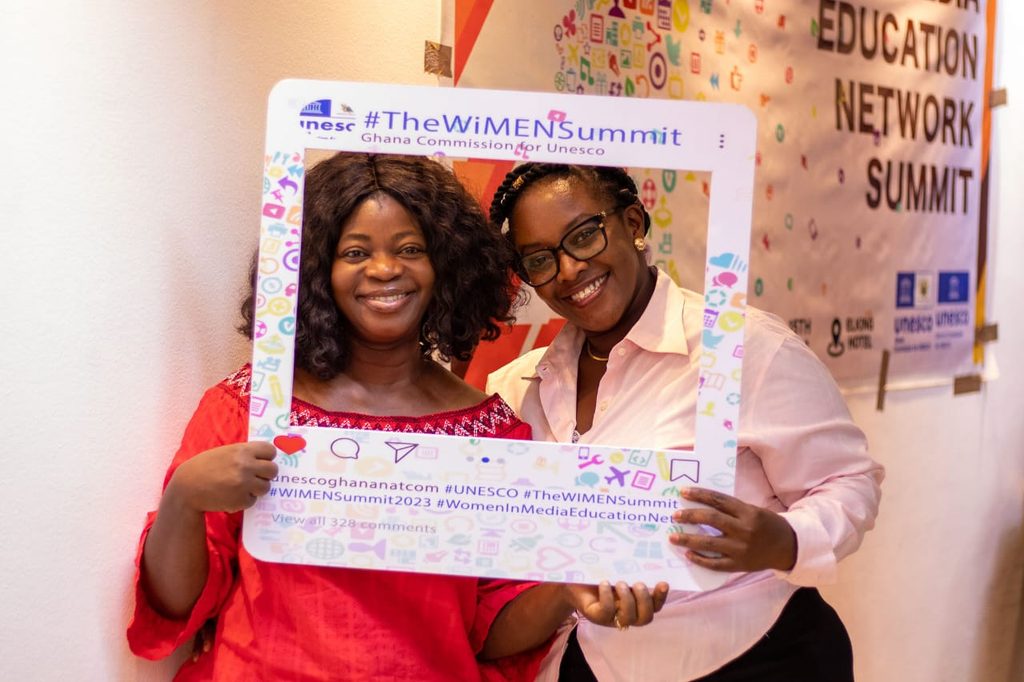
Three years on: My reflection
Looking back at the 2023 summit, I recognise the continuing relevance of the skills we were introduced to. But the real measure of progress is not simply the training delivered or the certificates awarded. It is whether journalists are better equipped to identify digital threats, protect their sources, verify information and work without intimidation.
As a broadcast journalist and digital and cybersecurity advocate, I believe the next phase must move beyond awareness to implementation, accountability and measurable results.
The goal is not merely to teach women journalists how to protect themselves online. It is to build a digital environment in which they can work, participate and express themselves safely, without fear of harassment or intimidation.