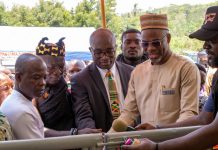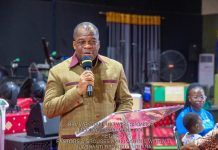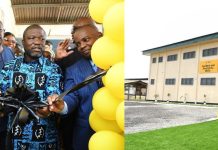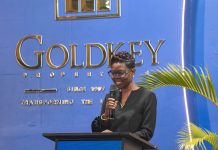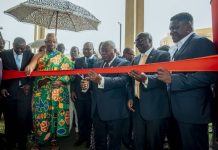

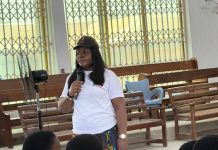
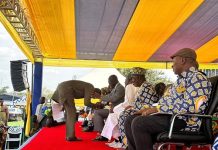
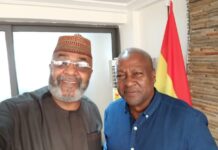
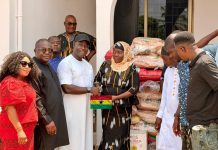
















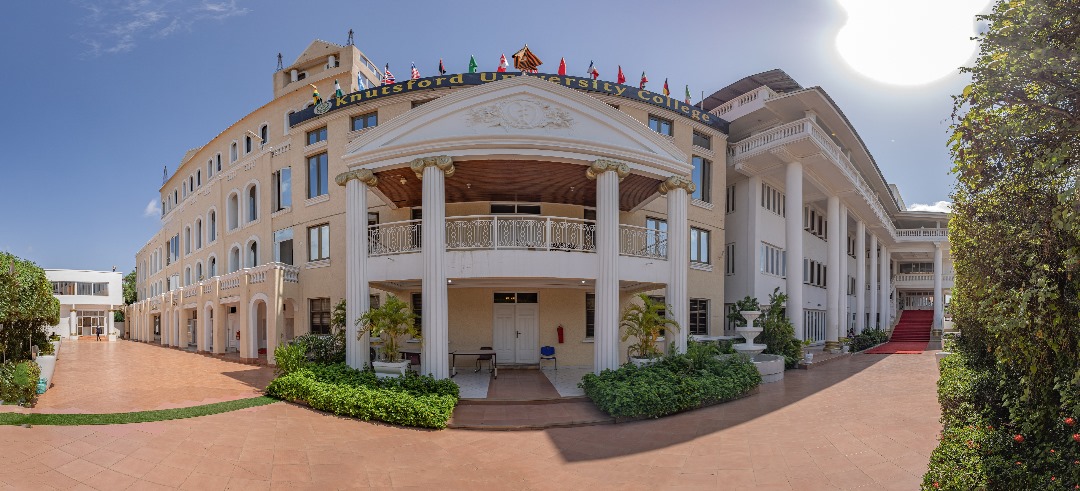
A new dawn of African leadership was heralded last Thursday as Knutsford University, East Legon–Accra, hosted a landmark luncheon ceremony to unveil its latest academic innovation: the Executive Certificate in Custodianship and Digital-Age Leadership.
Held under the theme “Custodians of Legacy, Architects of Tomorrow,” the event marked more than the launch of a programme – it signaled the birth of a movement. A movement that bridges the ancient and the modern, the sacred and the scientific, the tribal and the technological.
Offered by the Centre for African Studies, Leadership and Research, the programme is designed to equip leaders with the insight and tools needed to navigate the complexities of cultural leadership in Africa’s rapidly evolving digital landscape.
It draws participants from traditional institutions, faith communities, public service, and youth organizations – cultivating leadership that is transformational, inclusive, and rooted in identity.
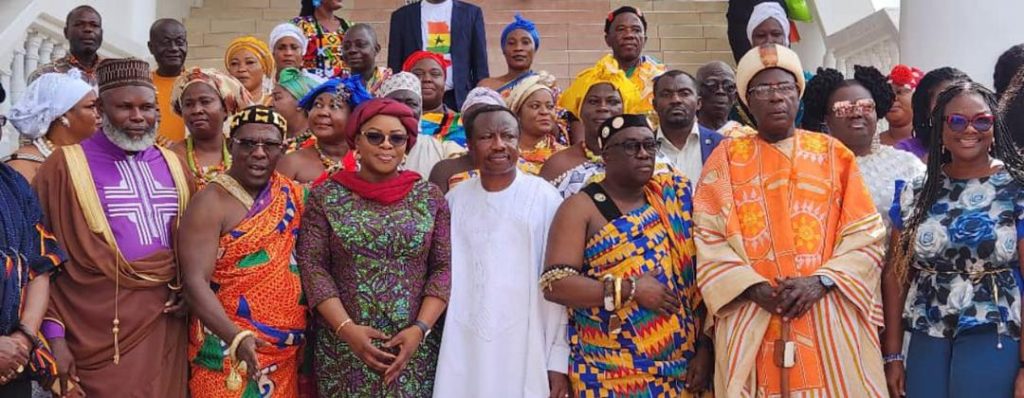
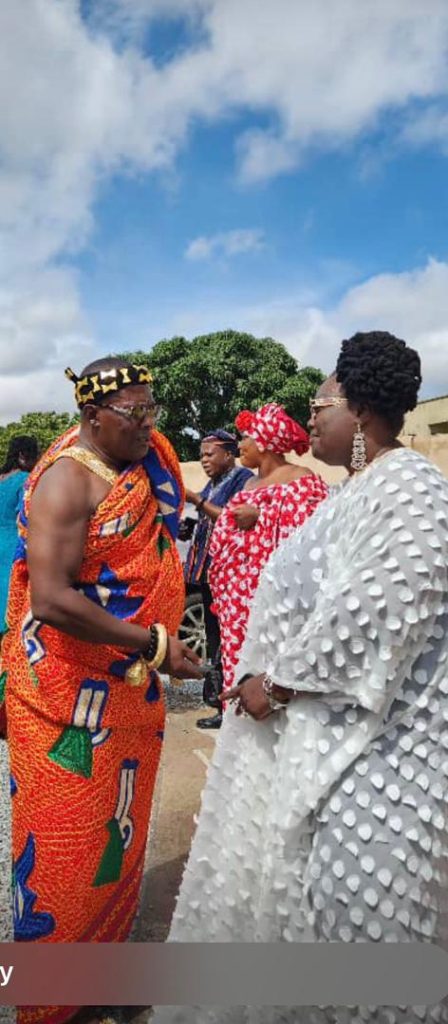
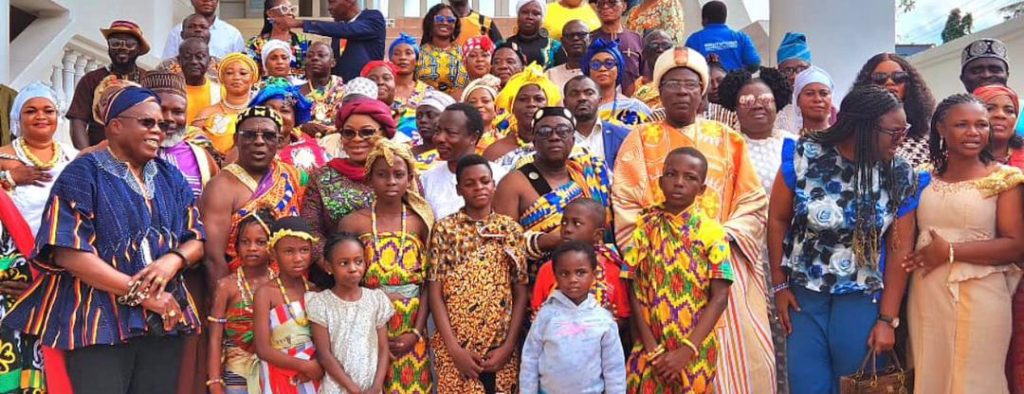
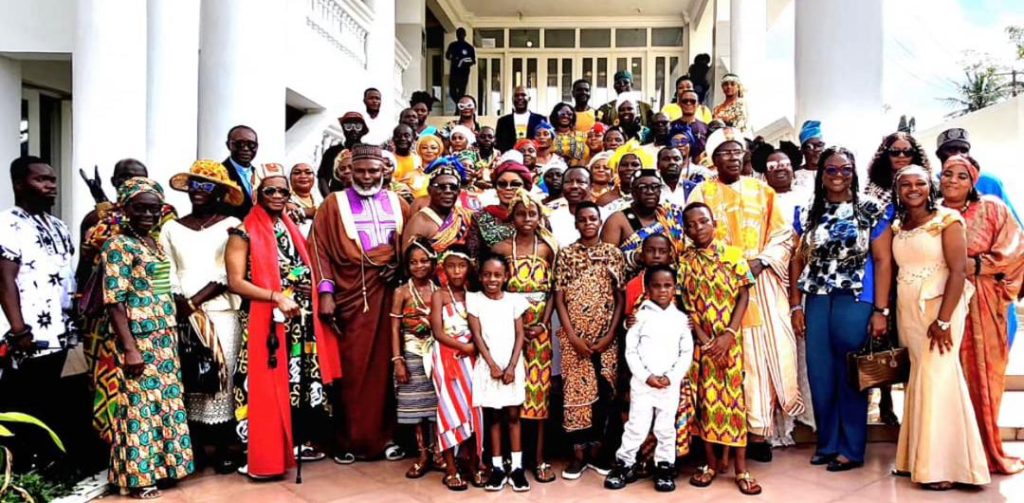
The colorful ceremony brought together an impressive assembly of traditional rulers, spiritual leaders, government officials, academics, and youth representatives, united in their shared vision to fuse ancestral wisdom with modern innovation for the rebirth of Africa’s governance and leadership models.
Leadership, Legacy, and the Fight Against Illegal Mining
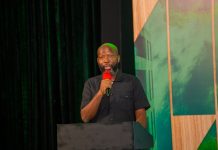
The programme also served as a platform for urgent national dialogue. Two distinguished speakers – Ms. Shamima Muslim, Deputy Presidential Spokesperson, and Professor John Kwamena Essel, Pro-Chancellor of Knutsford University – delivered powerful addresses on the growing threat of illegal mining in Ghana and the role of custodial leadership in confronting it.
Shamima Muslim: Government’s Response and Call to Custodians
Speaking on behalf of the Chief of Staff, Hon. Julius Debrah, Madam Muslim described illegal mining as both an environmental disaster and a danger to Ghana’s heritage and future.
She emphasized that the government has declared it a national security issue, leading to the establishment of the National Inter-Ministerial Committee on Illegal Mining (IMCIM).
Key measures include:
Seizure of excavators
Closure of illegal mining sites
Restoration of degraded lands
She elaborated on the President’s deployment of NAIMOS – the National Anti-Illegal Mining Operation Secretariat, a multi-agency task force that has moved decisively beyond rhetoric. Actions taken include:
Dismantling illegal mining sites
Shutting down galamsey operations in protected areas
Declaring forests and rivers as security zones
Repealing LI 2462, which previously permitted mining in forest reserves
Madam Muslim called on traditional and faith-based leaders to use their authority and insights from the programme to:
Strengthen customary rules
Establish community forest guards
Mediate disputes before they escalate
She urged religious leaders to return to their pulpits and teach stewardship as a sacred duty, emphasizing:
“Leadership programmes should not just be academic but practical laboratories that empower future leaders with real skills to deliver results in their communities. Government cannot do this alone – it needs your active support.”
John Kwamena Essel: Moral Leadership and National Responsibility
In his rousing welcome address, Professor Essel described the gathering as “the drumbeat of destiny” and a “sacred intersection where tradition meets transformation.” He emphasized that the programme is not just academic, but deeply cultural and spiritual – uniting royals, clergy, sheikhs, and youth leaders in a shared covenant of clarity, courage, and purpose.
He joined the call for decisive action against illegal mining, urging authorities to shut down small-scale operations when necessary to protect the environment and national interest. Reflecting on Ghana’s religious demographics – 71% Christian and 17–20% Muslim – he questioned how a morally grounded society could allow environmental degradation to persist.
“This battle cannot be fought with machine guns and weapons. It must be fought with moral weapons, our godly mindset is the best defense.”
He called on religious leaders to take active roles in shaping public morality and urged the President to act boldly:
“We appreciate the steps being taken, but given the alarming situation, when the time comes to shut it down – he must shut it down. Because life is everything. Money is not everything, but life is everything.”
To traditional rulers, Professor Essel offered a powerful reminder:
“You are not relics of the past – you are architects of the future. Your thrones are not just seats of honor – they are altars of service. Your stories are not just history – they are blueprints for tomorrow.”
To Africa’s youth, he extended a challenge and a promise:
“You are the sunrise of Africa’s destiny. Numbers alone do not build nations—vision does. This programme is your launchpad—not just to lead, but to lead with soul.”
Okatakyie Nana Anim I: Tradition Meets Transformation
Delivering the inaugural address, Okatakyie Nana Anim I, President of the Royals, Clergy and Sheikhs Alliance, described the programme as a transformative step for a new generation of African leaders – those who honor tradition while driving innovation and national progress.
“Africa cannot outsource its future,” he declared. “African leadership is not a copy, it is a creation. It is rooted in identity, guided by service, and sustained by legacy.”
He described the tribal chief as “the living archive of a people’s history,” whose role extends far beyond ceremony – serving as courts of appeal, stewards of land, and moral compasses long before colonial systems were introduced.
“In a world increasingly shaped by algorithms and artificial intelligence, the Chief reminds us of the intelligence of ancestry.”
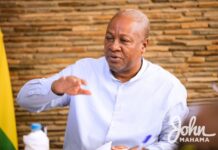
He called for renewed intergenerational dialogue and aligned the initiative with President John Dramani Mahama’s Re-Set Agenda, urging Africa to reimagine governance through indigenous systems that have stood the test of time.
Hosted by the Centre for African Studies, Leadership and Research
The event was graciously hosted by the Chair for the Centre, Mr. Nanayaw Kwakye-Boadu, with dedicated support from team members Mr. Irbard Ibrahim, Mrs. Victoria Tuffour, and Ms. Jemima Arthur.
About the Programme
The Executive Certificate in African Custodianship and Digital-Age Leadership, jointly spearheaded by Knutsford University and the Royals, Clergy, and Sheikhs Alliance, seeks to prepare a new class of African leaders equipped with ancestral insight and digital fluency.
It is a call to legacy, a blueprint for transformation, and a seed for a forest of leaders – custodians of heritage, architects of tomorrow.