








NPP GERMANY
PRESS RELEASE
28—05—2026
Arrest Of Opposition NPP Activists: Repealed Criminal Libel Law Reintroduced In Disguise—NPP GERMANY Condemns Arrests of Mahama Critics
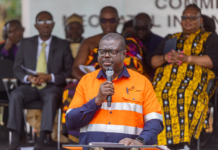
The recent arrests and intimidation of opposition figures affiliated with the New Patriotic Party, including outspoken Bono Regional Chairman Kwame Baffoe Abronye, over comments critical of President John Dramani Mahama and the second coming of the National Democratic Congress administration, have raised disturbing questions about the future of free speech and democratic accountability in Ghana.
What many Ghanaians are witnessing today appears dangerously similar to the dark days of the repealed Criminal Libel Law, a law the country proudly buried in the name of democratic progress and media freedom.
Ghana’s democracy has long been admired across Africa because of its tolerance for dissenting opinions and political criticism.
Citizens were encouraged to freely scrutinize leaders without fear of arrest or persecution.
That democratic atmosphere gave room for political activism, aggressive media commentary, and public accountability. Sadly, recent developments suggest that the country may be sliding backward into an era where criticism of government officials is treated as a criminal offence.
The arrest of opposition communicators and critics merely for expressing political opinions sends a chilling message to the public. It creates fear among citizens who may wish to question the actions, policies, or conduct of government officials.
Democracy thrives when people can speak openly, not when citizens are silenced through intimidation and selective law enforcement.
Many Ghanaians still remember why the Criminal Libel Law was repealed under the administration of former President John Agyekum Kufuor.
The repeal was celebrated as a victory for democracy because the law had been abused by governments to suppress journalists, opposition politicians, and government critics.
The idea was simple: in a democratic society, political speech must be protected, even when it is harsh, offensive, or uncomfortable.
Today, however, the growing pattern of arrests and police invitations directed at opposition figures appears to undermine the spirit behind that repeal.
One cannot help but ask whether Ghana is gradually reintroducing criminal libel through the back door using state security institutions and public order regulations to target political opponents.
The concern becomes even more troubling when one examines the history of political commentary in Ghana over the past few years.
During the administration of former President Nana Addo Dankwa Akufo-Addo, critics of government operated freely across radio, television, Facebook, TikTok, and YouTube. Some commentators used extremely harsh language against the President and senior government officials, yet many of them faced no arrests or intimidation.
One of the most notable examples was controversial social commentator Kevin Taylor, whose online broadcasts became synonymous with relentless attacks and insults directed at the Akufo-Addo administration.
Through platforms like TikTok and YouTube, Kevin Taylor frequently employed provocative and often offensive language against the former President and members of the NPP government.
At the time, the NDC, then in opposition, benefited politically from such aggressive criticism against the Akufo-Addo administration. Many within the opposition defended the right of commentators to speak freely, insisting that freedom of expression was a cornerstone of democracy.
The argument consistently advanced was that politicians must develop a thick skin and tolerate criticism from citizens.
It is therefore deeply hypocritical for the same political tradition that once championed unrestricted political commentary to now preside over arrests of opposition figures for similar conduct.
If insults and harsh criticisms were tolerated under Akufo-Addo in the name of democracy, why should criticism against President Mahama suddenly become a criminal matter?
Democracy cannot survive under double standards. Free speech cannot apply only when one is in opposition and disappear once power changes hands.
Principles are tested not when they benefit us, but when they protect those we disagree with politically.
No reasonable person supports reckless insults or abusive language in political discourse. Ghana’s political environment certainly requires greater civility and maturity from both politicians and media personalities.
However, the solution to offensive speech is not political intimidation or arrests. The proper response lies in civil remedies, public rebuttals, and stronger democratic engagement.
When governments resort to arrests over political commentary, they risk creating the perception that state institutions are being weaponized against dissent.
Such perceptions weaken public confidence in the neutrality of the police and other security agencies. Citizens begin to fear that justice is becoming selective and politically motivated.
Ghana’s democratic gains were built through sacrifice, tolerance, and respect for constitutional freedoms.
The country cannot afford to return to an atmosphere where people whisper in fear or avoid expressing political opinions because they may be picked up by security agencies the next morning.
The current situation also risks damaging Ghana’s international democratic reputation. For years, Ghana has been regarded as one of Africa’s strongest democracies precisely because of its commitment to free expression and peaceful political competition. Any sign of shrinking civic space threatens that hard-earned image.
President Mahama himself was once a beneficiary of robust democratic protections while serving in opposition. He understands better than many that opposition politics often involves sharp criticism, exaggerated rhetoric, and emotionally charged commentary.
Statesmanship therefore demands restraint, tolerance, and commitment to protecting democratic freedoms even when criticisms become uncomfortable.
Political power is temporary, but democratic precedents last for generations. Any government that normalizes arrests over political speech may one day find those same tactics used against it when political fortunes change.
That is why leaders must protect institutions rather than exploit them for temporary political advantage. The Ghana Police Service must also guard its institutional credibility carefully.
Law enforcement agencies should not appear eager to pursue opposition voices while ignoring similar conduct from pro-government activists and communicators who were then in opposition.
Equal application of the law remains essential in preserving public trust. Furthermore, political intolerance often creates unnecessary tension and deepens divisions within society.
Ghana’s democracy has remained peaceful largely because opposing political camps believed they could express themselves freely without state persecution. Undermining that confidence could increase political hostility and public resentment.
The media, civil society organizations, religious leaders, and democracy advocates must therefore speak up boldly against any attempt to criminalize political criticism.
Silence in moments like this only emboldens further abuses and weakens constitutional protections for everyone.
Ghanaians must remember that freedom of speech is not designed to protect only polite or agreeable opinions.
Its true purpose is to protect unpopular, controversial, and even offensive viewpoints from state suppression. Once governments begin deciding which political opinions are acceptable, democracy itself becomes endangered.
Ultimately, the recent arrests of opposition NPP members, including Abronye, represent more than isolated legal incidents. They symbolize a worrying shift toward intolerance and selective democratic principles.
Ghana must reject any path that resembles the repealed Criminal Libel Law and reaffirm its commitment to freedom, fairness, and democratic accountability for all citizens, regardless of political affiliation.
This cannot — and must not — be business as usual.
God Bless Our Homeland Ghana!!!
Long Live Ghana, long live the Elephant Party!!!!
Kukruduuuu Eeeessshiii!!!
Signed:
Nana Osei Boateng
NPP GERMANY Branch
Communications Director