










Author: Patrick Baidoo, Coordinator GIABA Journalists Network Ghana
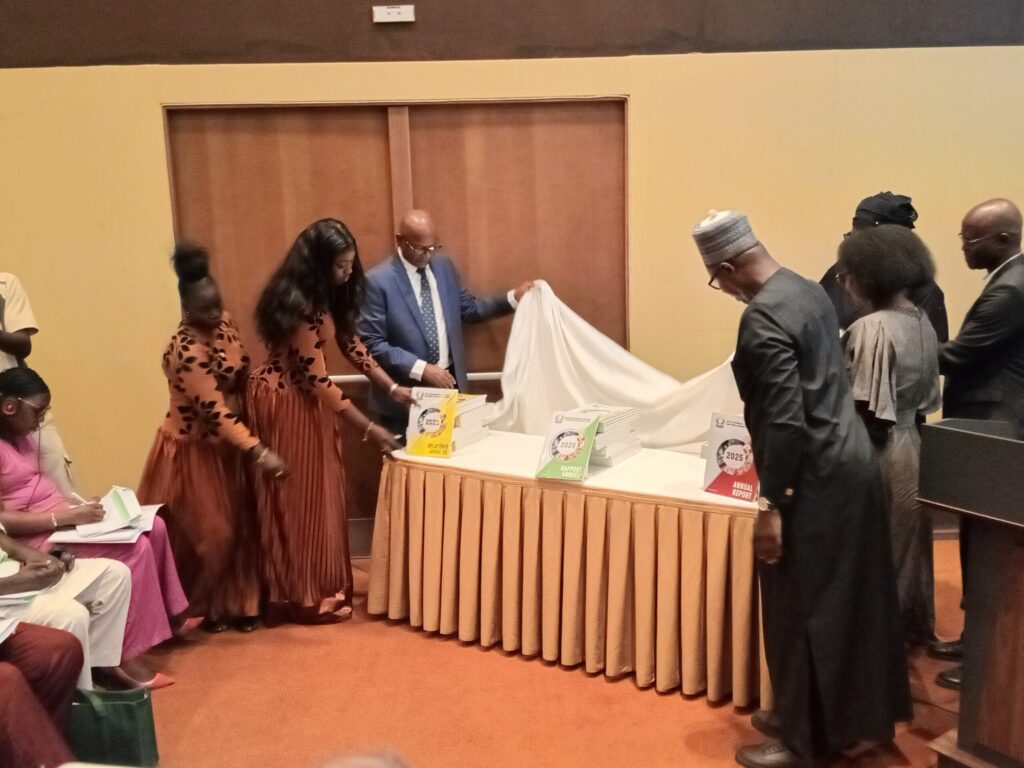
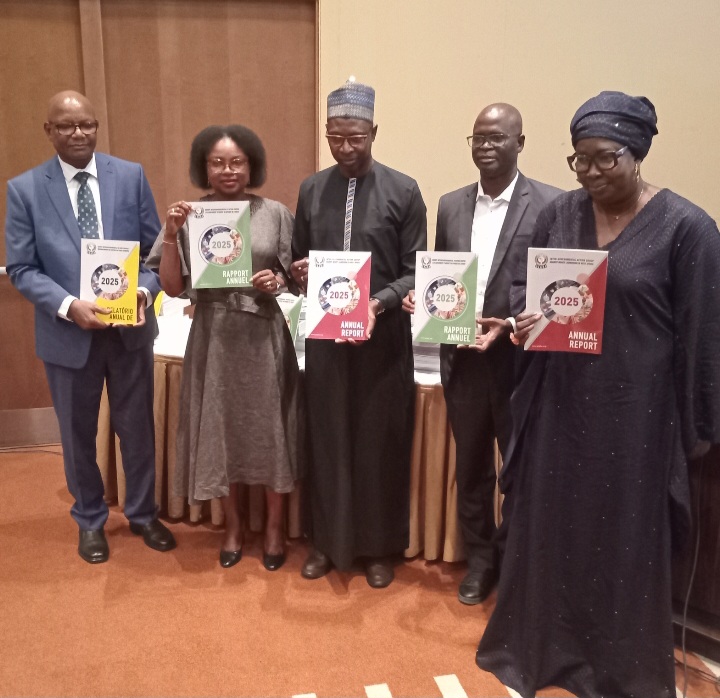
The Inter-Governmental Action Group against Money Laundering in West Africa (GIABA) has officially launched its 2025 Annual Report, showcasing significant progress by ECOWAS Member States in strengthening their anti-money laundering and counter-terrorist financing frameworks while calling for intensified regional cooperation to combat evolving financial crimes.
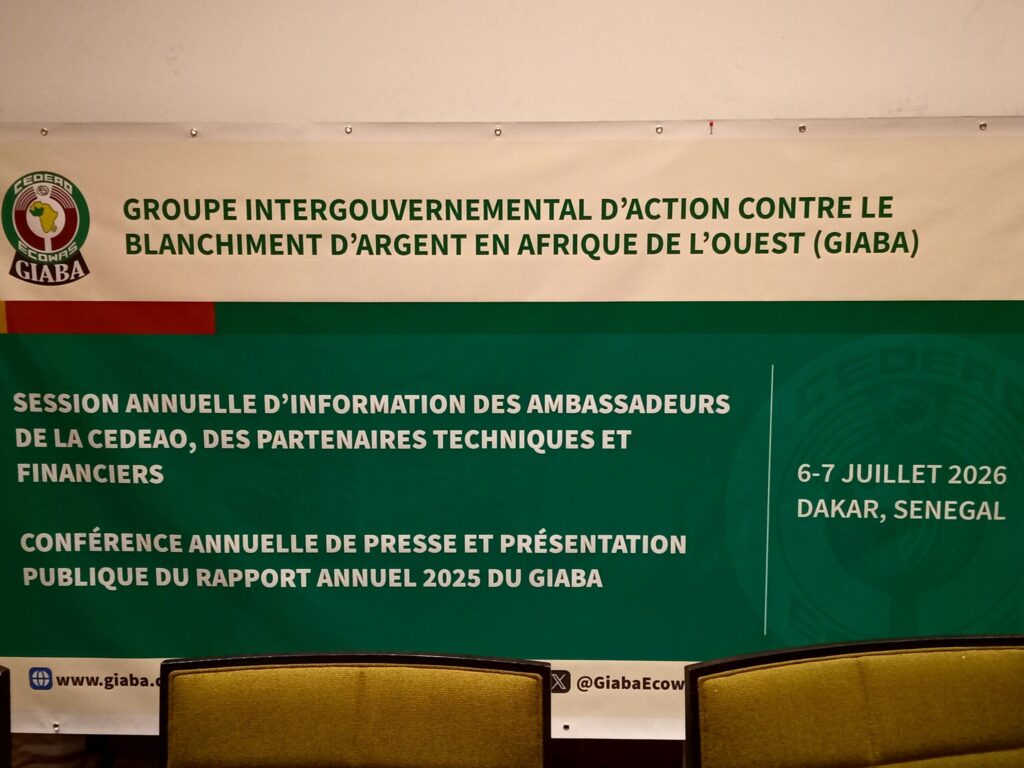
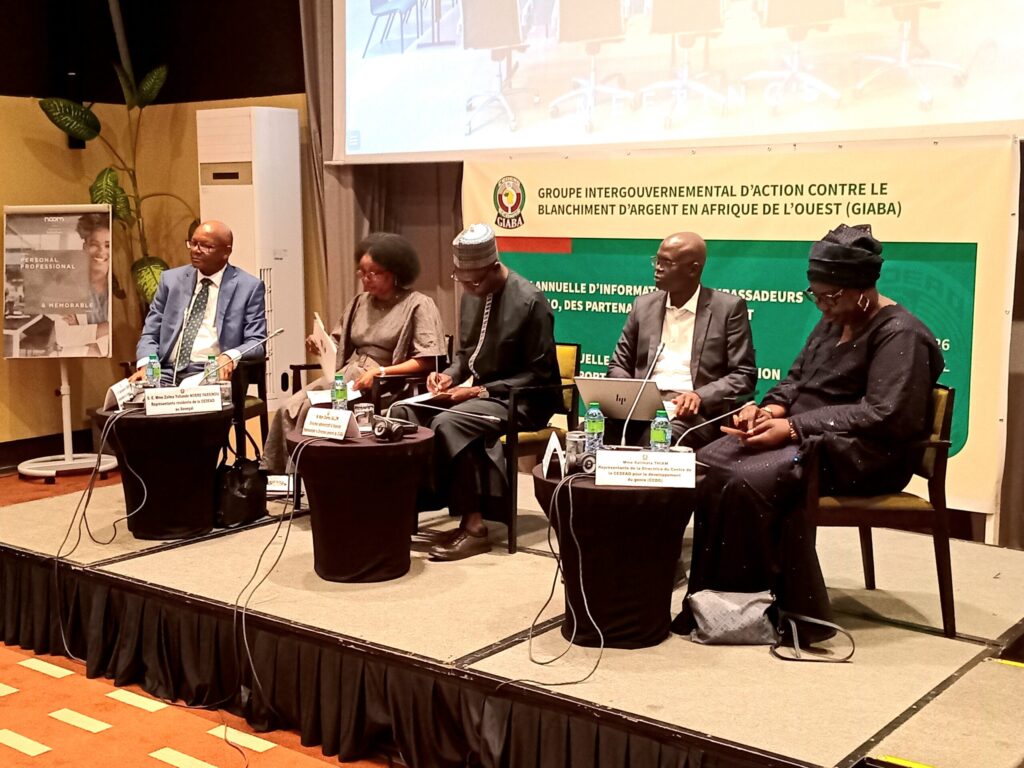
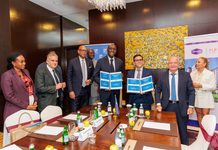
The report was presented on Monday during GIABA’s Annual Briefing Session for Ambassadors, Technical and Financial Partners and the organisation’s Annual Press Conference at the Noom Hotel Dakar Sea Plaza in Dakar, Senegal on Monday 6th July 2026.
The event brought together ambassadors, representatives of ECOWAS institutions, international organisations, development partners, financial intelligence experts, government agencies and journalists from across the region.
The launch also marked a significant moment for GIABA’s Director-General, Mr. Edwin W. Harris Jr., who is preparing to conclude his tenure after years of steering the institution through one of the most challenging periods in West Africa’s fight against money laundering, terrorist financing and proliferation financing.
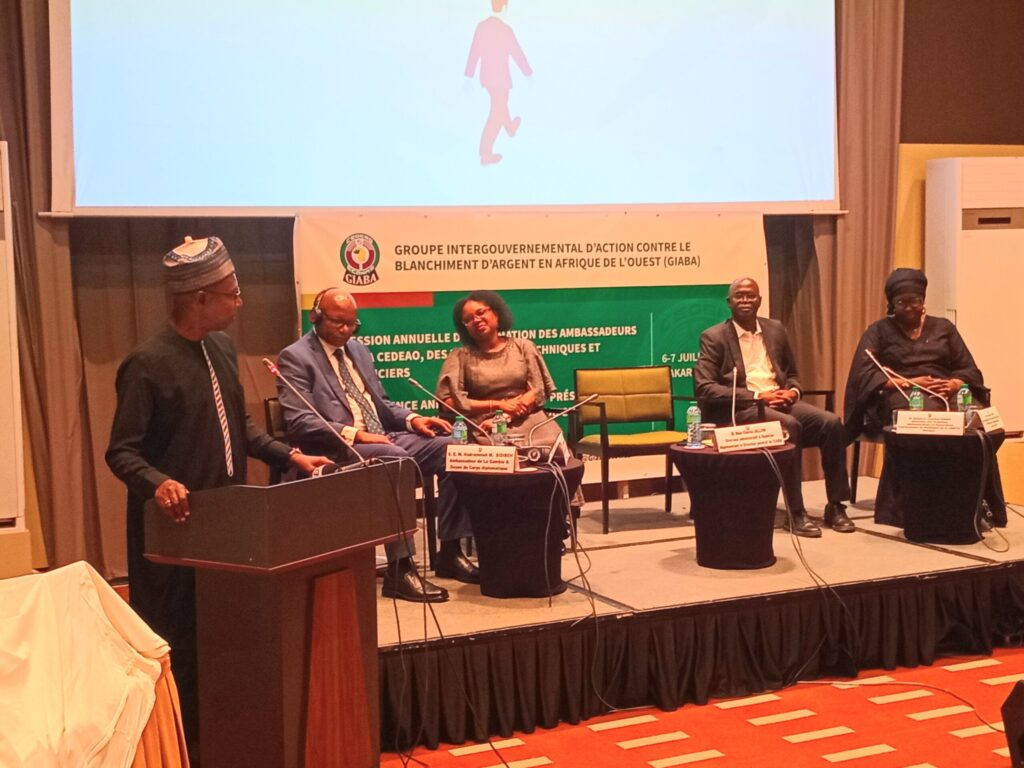
In an address delivered on his behalf by Acting Director of Administration and Finance, Mr. Jallow Mam Cherno, Harris described the report as a reflection of both the region’s achievements and the work that still lies ahead.
“It is with great pleasure, but also with a deep sense of responsibility, that I welcome you to this annual briefing session for ambassadors, technical and financial partners. This is also an opportunity for us to present GIABA’s 2025 Annual Report and hold our annual press conference,” he said.
Harris thanked ambassadors, development partners, ECOWAS institutions and the media for their continued support, saying their presence demonstrated a shared commitment to protecting regional economies, promoting financial governance and safeguarding peace and sustainable development across West Africa.
“Our meeting is taking place against a regional backdrop of persistent terrorist attacks, transnational organised crime, corruption, illicit financial flows and cybercrime,” he noted.
He observed that rapid technological developments, including digital transformation and crypto-assets, had created fresh opportunities for economic growth but had also opened new avenues for criminal exploitation.
“Against this backdrop, the fight against money laundering, terrorist financing and proliferation financing remains essential to the security, good governance and development of our region,” Harris stressed.
According to him, GIABA continued implementing its Strategic Plan throughout 2025 by expanding technical assistance programmes, strengthening the capacities of Financial Intelligence Units, conducting national risk assessments, organising specialised training and undertaking typology studies aimed at improving regional responses to financial crimes.
He said these interventions, supported by the Financial Action Task Force (FATF), other FATF-style regional bodies and development partners, had significantly reinforced GIABA’s position as a leading institution safeguarding financial integrity within the ECOWAS region.
Presenting the essence of the newly launched report, Harris stated that the document “bears testimony to the progress made while highlighting the challenges we need to address.”
He explained that the report documents the efforts undertaken by Member States to strengthen compliance with international standards while improving the effectiveness of national anti-money laundering and counter-financing of terrorism systems under the third round of mutual evaluations.
“The report highlights Member States’ efforts to strengthen their compliance with international standards and improve the effectiveness of their national systems, as part of the third round of mutual evaluations now focused on achieving concrete results,” he said.
Harris was quick to acknowledge that these gains would not have been possible without the unwavering commitment of GIABA’s technical and financial partners.
“These advances would not have been possible without the constant support of our technical and financial partners, to whom I say THANK YOU. Their support remains essential to enabling GIABA and its Member States address the new challenges posed by financial crime,” he stated.
Among the notable developments highlighted in the report was the Ministerial Committee’s decision to maintain the full membership of Burkina Faso, Mali and Niger within GIABA despite broader political developments within the ECOWAS sub-region.
Describing the decision as a landmark achievement, Harris said it reaffirmed the principle that the fight against financial crime must remain above politics.
“This decision reaffirms our recognition of the fact that the fight against money laundering, terrorist financing and proliferation financing transcends political considerations and requires technical cooperation based on solidarity and common interest,” he said.
He assured participants that GIABA would continue serving all Member States “with impartiality, professionalism and in strict compliance with its mandate,” adding that “the financial security of everyone strengthens the collective security of our region.”
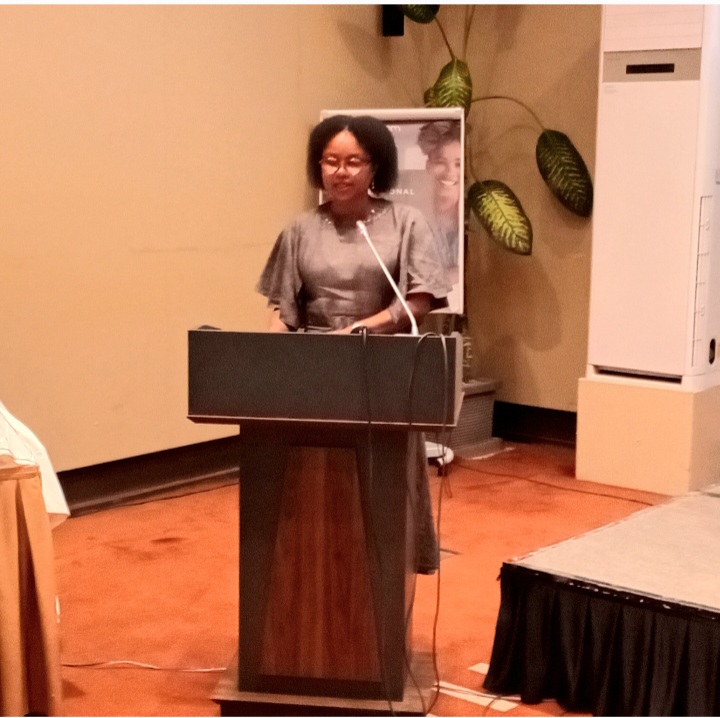
The ECOWAS Resident Representative in Senegal, Her Excellency Mrs. Zelma Yollande Nobre Fassinou, also underscored the significance of the report, describing it as evidence of the steady progress being made by Member States despite increasingly sophisticated criminal threats.
“Our region continues to face increasingly complex security and economic challenges, characterised by terrorism, transnational organised crime, corruption, illicit financial flows and the growing use of new technologies for criminal purposes,” she said.
She stressed that regional and international cooperation remained the most effective response to these cross-border threats and reaffirmed ECOWAS’ commitment under its Vision 2050 agenda to build an integrated, prosperous and resilient community founded on democracy, transparency and responsible governance.
“For over twenty years, GIABA has played a vital role in strengthening national frameworks to combat money laundering, terrorist financing and proliferation financing. The progress made by Member States is encouraging, and the third round of mutual evaluations now focuses on the practical effectiveness of the mechanisms put in place,” she noted.
Fassinou further praised the continued support of ambassadors, development partners and international organisations, saying their contributions were essential for mobilising resources and sustaining reforms aimed at protecting the region’s financial systems.
She also acknowledged the media as indispensable partners in promoting transparency.
“I would also like to pay tribute to media professionals, whose role is essential in informing and raising awareness amongst citizens and promoting a culture of transparency and integrity. You remain indispensable partners in the prevention of economic and financial crimes,” she said.
Speaking on behalf of the Diplomatic Corps accredited to Senegal, His Excellency Hadrammeh M. Sidibeh, High Commissioner of The Gambia and Dean of ECOWAS Ambassadors, described the report as an important instrument for strengthening regional cooperation against organised financial crime.
“Our presence here today reflects a shared conviction: the security of our states is inextricably linked to their financial security,” Sidibeh declared.
He added that terrorism, cybercrime, illicit financial flows and organised criminal networks demanded collective and coordinated regional responses.
“For more than twenty-five years, GIABA has embodied this ambition. As a FATF-style regional body, it supports Member States in strengthening their AML/CFT/PF frameworks, builds the capacity of the relevant institutions and fosters ever-closer cooperation between those involved in combating financial crime,” he stated.
Sidibeh further commended the launch of the third round of mutual evaluations, saying the new phase placed greater emphasis on practical effectiveness and measurable results rather than simply complying with legal requirements.
As the event drew to a close, attention turned to Harris’ impending departure as Director-General after completing his term of office.
Reflecting on his years of service, Harris expressed profound gratitude to ECOWAS Heads of State, the ECOWAS Commission, Member States, Financial Intelligence Units, ambassadors, partners, journalists and the entire GIABA Secretariat for their unwavering support.
“I am stepping down from my position with humility, but also with the satisfaction that I am leaving behind an institution that is stronger, more credible, and better prepared to meet the challenges of the future,” he said.
He added that GIABA now possesses “recognised expertise, strengthened governance and a clear vision” to continue supporting Member States in implementing international standards.
“I remain confident that GIABA will continue its regional leadership role by supporting its Member States in strengthening more transparent and resilient financial systems for peace, security and development.”
The launch of the 2025 Annual Report climaxed with renewed commitments from ECOWAS institutions, ambassadors, development partners and Member States to deepen collaboration against financial crime and strengthen financial integrity as a cornerstone for regional peace, security and sustainable economic development.