




















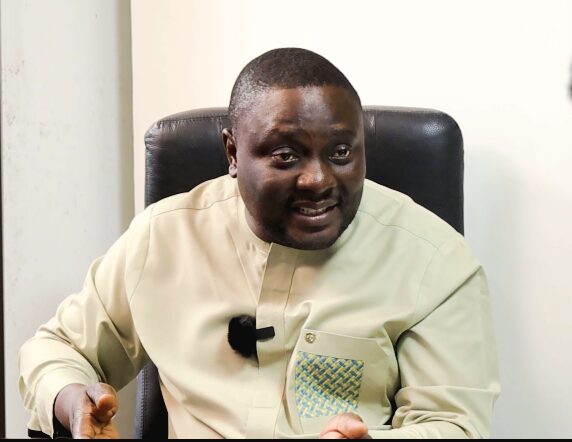
The Member of Parliament for Keta, Kwame Dzudzorli Gakpey, has made a startling revelation about the health condition of many current and former lawmakers, claiming that between 80 and 90 per cent of them are on medication for high blood pressure as a result of the intense pressures associated with parliamentary service.
Speaking in an exclusive interview with Investigative Journalist Daniel Benin Ohim on ANGEL TV and OHIM TV, Hon. Gakpey said the physical, emotional and financial burdens of serving as a Member of Parliament have taken a heavy toll on the health of legislators.
According to him, the stress of balancing constituency demands, parliamentary responsibilities and family obligations has resulted in a worrying number of MPs developing hypertension during or after their time in office.
“Between 80 and 90 per cent of both current and former Members of Parliament are on blood pressure medication,” Hon. Gakpey disclosed, describing the situation as one of the least understood realities of public office in Ghana.
The Keta legislator explained that many Ghanaians assume MPs enjoy enormous financial privileges, but the reality, he said, is far different from what the public perceives.
He noted that many MPs depend almost entirely on their parliamentary salaries, especially those who do not own businesses or have alternative sources of income outside politics.
Hon. Gakpey revealed that numerous lawmakers are compelled to take bank loans during their tenure to meet personal expenses, family responsibilities and constituency demands.
According to him, these financial commitments often create enormous pressure, leaving many MPs constantly burdened by debt while trying to fulfil the expectations of their constituents.
He stated that the financial stress, coupled with the demanding nature of parliamentary work, contributes significantly to the high incidence of hypertension among legislators.
The MP further warned that several former lawmakers face serious financial hardship after leaving Parliament, particularly those who fail to adequately prepare for life after public office.
He observed that some former MPs struggle to pay for basic healthcare and other essential needs once they are no longer receiving parliamentary salaries.
Hon. Gakpey also dismissed the long-held public belief that Members of Parliament receive lucrative ex-gratia payments at the end of every parliamentary term.
He explained that what many Ghanaians describe as ex-gratia is, in reality, accumulated salary arrears resulting from constitutional procedures governing the determination of MPs’ remuneration.
According to the lawmaker, Parliament does not independently determine or pay ex-gratia to its members in the manner widely believed by the public.
He explained that Ghana’s Constitution requires the President to establish an Emoluments Committee to determine the salaries and conditions of service for the Executive, Members of Parliament and the Council of State.
However, Hon. Gakpey said the committee is often constituted late, and by the time it completes its work, lawmakers have accumulated salary differences over several months or years.
He indicated that these outstanding salary adjustments are subsequently paid in a lump sum as arrears, a payment many members of the public mistakenly interpret as ex-gratia.
The Keta MP further disclosed that Members of the Ninth Parliament are still being paid under the salary structure approved for the Eighth Parliament because a new Emoluments Committee has not yet been established.
He said until the constitutionally mandated committee is constituted and concludes its work, MPs will continue receiving salaries based on the previous remuneration structure before any outstanding differences are paid as arrears.
Hon. Kwame Dzudzorli Gakpey maintained that greater public understanding of the financial and health challenges confronting Members of Parliament is necessary, insisting that misconceptions about parliamentary remuneration often overshadow the realities lawmakers face, including heavy indebtedness, post-service financial uncertainty and what he described as the alarming prevalence of high blood pressure among both serving and former MPs.