























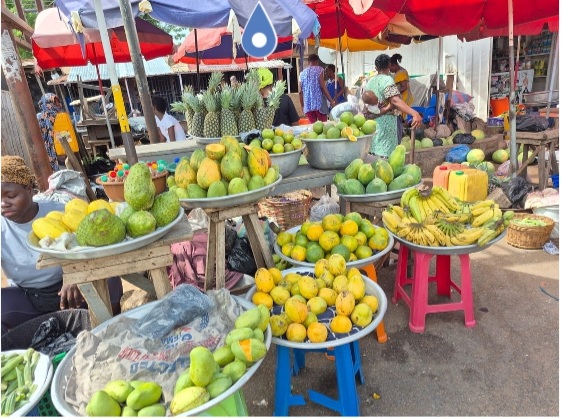
Fresh Displayed Fruits for Sale (Banana, Mangoes, Pineapples, Pawpaw)
Author: Kofi Agbeko Leh | Development Practitioner | Public Policy Analyst | Researcher In Food Systems, Governance and Sustainable Development
Across Africa, growing concerns are emerging about chemical residues in food. While consumers carefully wash vegetables and fruits before consumption, many harmful chemical residues may already be embedded within the food itself, making them difficult to remove through ordinary cleaning methods.
Chemical residues originate from pesticides, herbicides, fungicides, antibiotics, heavy metals, and other contaminants used during food production and storage.
Commonly detected substances include Chlorpyrifos, Glyphosate, Paraquat, and Cypermethrin. Some of these chemicals have been restricted or banned in several countries because of concerns about their potential health and environmental impacts.
In many farming communities, farmers depend heavily on agrochemicals to protect crops from pests and diseases.
However, limited farmer education, weak regulatory enforcement, inadequate monitoring systems, and economic pressures often result in unsafe chemical application practices, including harvesting crops before recommended waiting periods have elapsed.
Prolonged exposure to certain chemical residues has been associated with serious health concerns, including cancer, hormonal disruption, neurological disorders, respiratory diseases, reproductive challenges, and developmental problems in children.

Tomatoes Showing Chemical Residues. The Chemicals We Do Not See
The risk is particularly concerning because the effects often accumulate gradually and remain unnoticed for years.
Beyond human health, excessive agrochemical use contaminates soils, rivers, wetlands, and groundwater while threatening biodiversity and beneficial pollinators such as bees.
It also carries economic consequences, including export rejections, increased healthcare costs, reduced productivity, and weakened food security.
Addressing this challenge requires stronger regulation, improved residue monitoring, expanded farmer education, public awareness campaigns, and greater investment in sustainable agricultural practices such as Integrated Pest Management and climate-smart agriculture.
Food safety is not solely a farmer’s responsibility. Governments, researchers, health institutions, businesses, civil society organizations, and consumers all have a role to play. Protecting food safety means safeguarding public health, environmental sustainability, economic development, and future generations.