

















Author: Our Correspondent
When control of a major gold concession in western Ghana changed hands in late 2022, the transaction appeared to follow the usual regulatory path. But beneath the routine paperwork lay a bitter corporate feud, allegations of forged signatures and an Australian court ruling that declared key actions unlawful.
Now, that dispute has ensnared two former cabinet ministers and placed President John Mahama’s administration in the uncomfortable position of offering a reprieve to a company facing hundreds of millions in unpaid taxes and accusations of illegal mining.
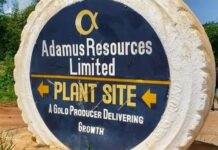
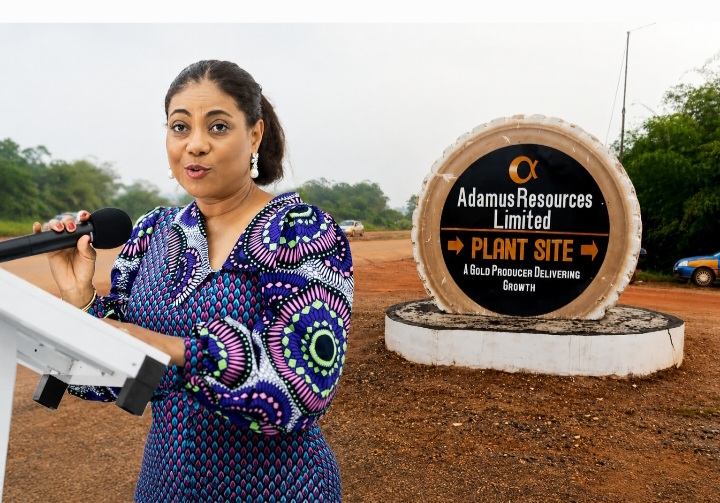
At the center of the controversy is Adamus Resources Limited, a Ghanaian mining firm whose 90 percent stake was held by Adamus Resources Pty Ltd, an Australian company. In 2017, the Australian parent acquired 79,650 shares in the Ghanaian subsidiary, with the government retaining a statutory 10 percent free carried interest.
The trouble began in 2021, when Angela Diala List – the daughter of Daniel Abodakpi, a respected elder of the National Democratic Congress – and lawyer Kwaku Sarpong Odame signed extracts of purported shareholder meetings that appointed new directors to the Adamus Ghana board. The Australian parent, Adamus Australia, insists it received no notice of those meetings and was neither present nor represented.
The dispute escalated in 2022, when List attempted to remove Allan Morrison, the sole director and secretary of Adamus Australia, and install replacements. The Supreme Court of Western Australia later ruled those actions unlawful, and the appointed directors abandoned their roles.
Despite the pending litigation, on Nov. 7, 2022, Moses Kobina Bosompim purportedly acted on behalf of Adamus Australia to transfer all 79,650 shares to Nguvu Mining Limited, a newly incorporated Mauritian entity that, according to allegations, was established for or controlled by List. Adamus Australia denies that Bosompim had any authority to make the transfer.
The Minister’s Letter
Documents show that Samuel Abu Jinapor, then minister for lands and natural resources, had been notified of Adamus Australia’s objections to the disputed board changes and corporate irregularities. Nevertheless, on Dec. 23, 2022, the Minerals Commission acted on a letter signed by Jinapor and formally recognized the change of control from Adamus Australia to Nguvu Mining.
The approval, according to Adamus Australia, came without consulting the lawful owner or independently verifying whether the transfer was authorized. The ministry relied in part on a board resolution signed by List and others, including a government-appointed director. Jinapor has not publicly responded to the allegations, but he would be expected to explain what due diligence, if any, his office conducted before greenlighting the transaction.
Four days later, on Dec. 27, 2022, the Office of the Registrar of Companies recorded Nguvu Mining as the holder of the 90 percent stake. That same month, Godfred Yeboah Dame was serving as attorney general and minister for justice. His office has oversight of the Registrar of Companies, and questions have arisen about whether he was aware of the underlying dispute and whether adequate steps were taken to protect state interests.
Dame is now reported to be acting as counsel for List and Nguvu Mining in civil proceedings related to the share transfer. That role does not by itself constitute wrongdoing, but it has prompted scrutiny over potential conflicts and whether his prior official knowledge may have influenced his handling of the matter while in office.
Unpaid Revenue and Alleged Illegal Mining
The corporate battle is only part of the story. Investigations by the Minerals Commission found that Adamus Resources had committed multiple violations, including unauthorized subcontracting to foreign nationals, mining outside approved areas and operating without permits. A ministerial review committee later uncovered additional financial irregularities: approximately $2.56 million in unpaid mineral rights fees, 86.8 million Ghanaian cedis (about $7.6 million) in unpaid royalties, and 290.5 million cedis (roughly $25.4 million) in tax arrears. The review also noted unexplained discrepancies in gold exports and transfers of about $224 million to related parties abroad between 2020 and 2024.
There are also allegations that after Nguvu Mining took control, portions of the concession were offered for small-scale or illegal mining activities, with the involvement of Chinese nationals. These remain accusations, but they have fueled public outrage over the government’s commitment to fighting “galamsey.”
A Controversial Reprieve
On April 26, 2026, Lands Minister Emmanuel Armah-Kofi Buah revoked Adamus’s three mining leases. After the company petitioned for mercy, an independent review upheld the revocation in August. But just days later, on Aug. 21, the presidency announced a dramatic about‑turn.
A statement from presidential spokesperson Felix Kwakye Ofosu said the government would grant Adamus a fresh opportunity through a 12‑month recovery roadmap, overseen by a six‑member management team with equal representation from the company and the state. The administration framed the decision as an effort to salvage one of the country’s few indigenous large‑scale mines.
Critics have been quick to point out the inconsistency: the same government that secured a 20‑year prison sentence for Bernard Antwi Boasiako, the opposition NPP chairman known as “Wontumi,” over illegal mining at Akonta Mines, is now offering a lifeline to a company with far more extensive violations and a direct link to a ruling‑party stalwart.
Unanswered Questions
The government’s intervention has only deepened the confusion. Which entity is being recognized as “Adamus” for the purpose of the management team – the Australian parent that disputes the transfer, or Nguvu Mining, which claims control? Why should persons accused of fraudulently acquiring the company be allowed to nominate half the oversight team before the ownership dispute and criminal allegations are resolved? And why grant a reprieve before collecting the tens of millions in unpaid taxes and royalties?
The Criminal Investigations Department is reportedly looking into the alleged fraudulent share transfer, but concerns have been raised about delays. Kwaku Sarpong Odame also faces disciplinary proceedings before the General Legal Council for his role in the disputed corporate actions.
A Test of Accountability
This is no longer a private corporate squabble. It touches on the integrity of Ghana’s mining registry, the enforcement of tax and environmental laws, and the independence of regulatory institutions. The public has a right to know who authorized the share transfer, what due diligence was done on Nguvu Mining and its beneficial owners, and why the government appears willing to negotiate with those accused of criminal misconduct.
President Mahama’s administration has cultivated an image of discipline and transparency. The Adamus affair threatens to erode that reputation if it is seen as offering preferential treatment to the politically connected. The contrast with the prosecution of Wontumi could not be starker.
Ghana’s mineral wealth belongs to its people. The institutions charged with protecting that wealth must act for the nation, not for partisan interests or private gain. If credible answers do not emerge – and if the reprieve is not accompanied by a clear plan to recover state revenues and hold wrongdoers accountable the public’s judgment will come at the ballot box. The people are watching, and 2028 is not far away