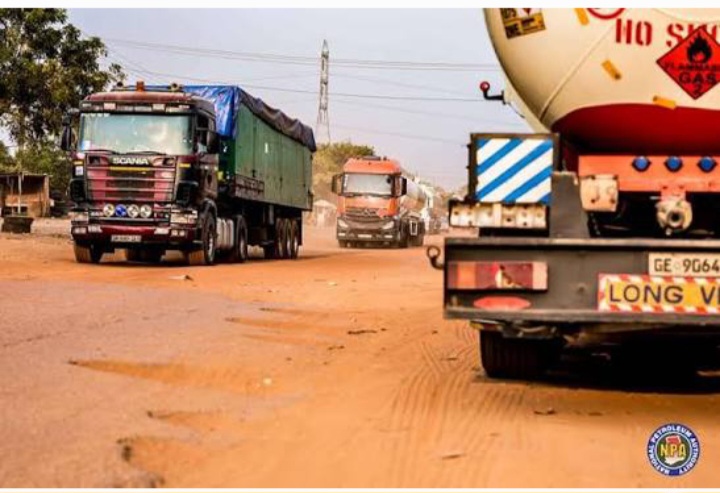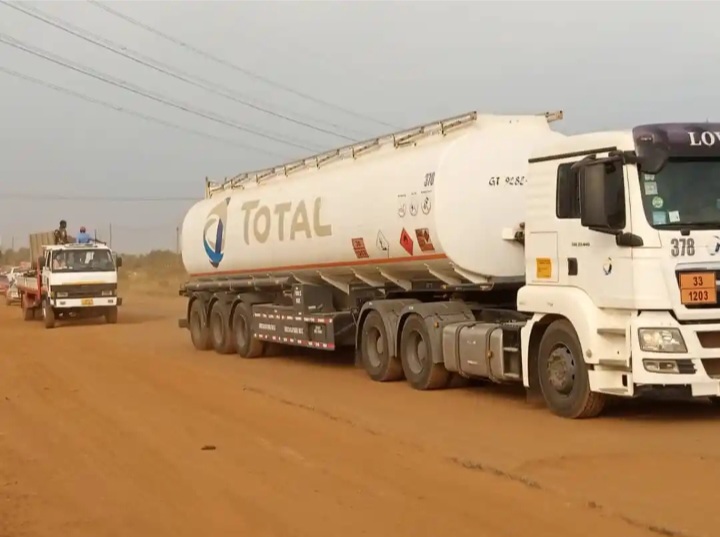






















Angry truck and petroleum tanker drivers operating along the industrial corridor between the VALCO Roundabout and Kpone Junction are demanding urgent action over the worsening condition of the 7.2-kilometre road, raising questions about why major industrial beneficiaries of the route have not done more to push for its rehabilitation.
The drivers, who rely heavily on the road to transport petroleum products, steel materials and other industrial cargo, say the deteriorating stretch has become a serious operational and safety concern.
They are particularly questioning whether powerful companies and institutions operating in the area, including Sentuo Oil and the Tema Oil Refinery (TOR), have done enough to ensure that a road so critical to their businesses receives the attention it deserves.
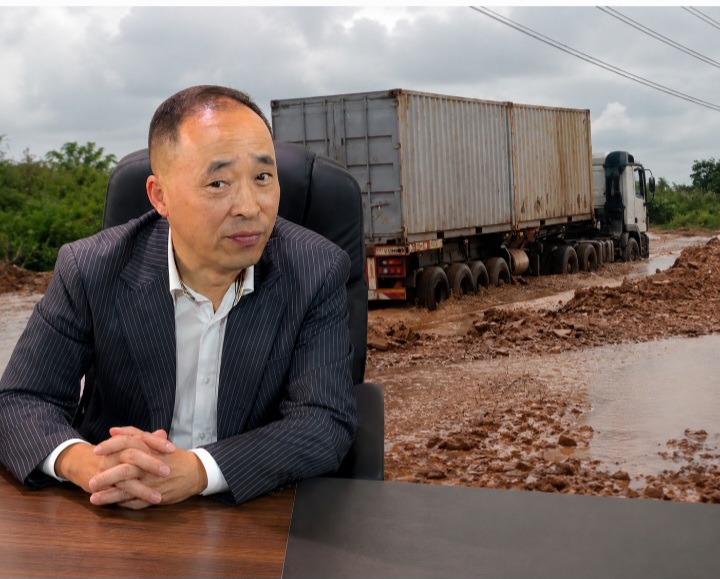
Some of the frustrated drivers have specifically turned the heat on Chinese investor and Sentuo Oil Chairman Xu Ninquan, accusing him of benefiting significantly from Ghana’s industrial and petroleum economy while allegedly showing insufficient corporate social responsibility towards infrastructure challenges affecting the movement of his company’s products and other industrial goods.
The drivers also argue that TOR, which depends on the movement of petroleum products through the Tema industrial enclave, cannot simply distance itself from the deteriorating state of the corridor.
They question whether institutions that benefit directly or indirectly from the constant movement of tankers and heavy-duty trucks have considered supporting or lobbying for a lasting solution to the road’s condition.
Their concerns come amid growing frustration over what they describe as years of government promises without a corresponding transformation on the ground.
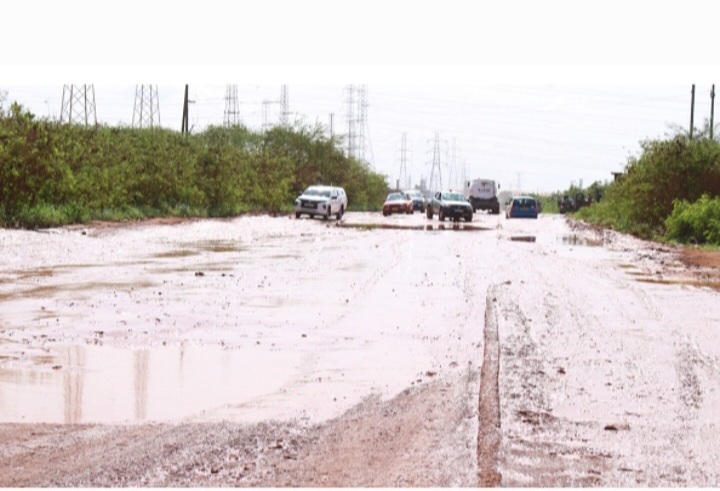
Although the Ministry of Roads and Highways cut sod for the reconstruction of the road in August 2020, motorists say significant and sustained construction progress remains difficult to identify, with the road still characterised by potholes, damaged sections and severe congestion.
The consequences are becoming increasingly severe. Drivers say a journey that should ordinarily take less than 30 minutes can take more than three hours during periods of heavy traffic, while frequent breakdowns, damaged tyres, suspension problems and increased fuel consumption continue to raise the cost of doing business.
The situation becomes even more difficult after rainfall, when water-filled poodles make the already hazardous road harder to navigate.
For petroleum tanker drivers, however, the issue goes beyond delays and vehicle maintenance. They warn that forcing heavily loaded tankers carrying highly inflammable products through badly damaged sections could increase the risk of serious accidents, with potentially devastating consequences for motorists, residents, workers and businesses operating along the industrial corridor.
The road serves a strategically important industrial zone containing facilities and companies associated with petroleum, aluminium, power generation, warehousing and logistics, including VALCO, Tema Tank Farm, Quantum Oil, Chase Petroleum, Olam, Aluworks, Sunon Asogli Power Plant and the Kpone Thermal Power Station.
Its condition therefore has implications not only for individual motorists but also for Ghana’s wider fuel-distribution, manufacturing and supply-chain operations.
The mounting frustration has also revived threats of industrial action by petroleum tanker drivers. National Chairman of the Ghana Petroleum Tanker Drivers Union, George Nyaunu, has previously raised concerns about the prolonged deterioration of the road and questioned how long road contractors would need to complete the project.
Drivers warn that another sit-down strike could disrupt the transportation of petroleum products to destinations including Kumasi, Takoradi and Buipe, potentially creating wider economic consequences.
As pressure mounts, the central question being raised by motorists and truck drivers is whether the responsibility for solving the crisis should rest solely with government.
They are demanding greater accountability from all major stakeholders benefiting from the corridor, including industrial companies, petroleum operators and state institutions.
For the angry drivers, another promise will not be enough: they want visible construction, stronger corporate responsibility from beneficiaries and the long-delayed Kpone-VALCO road finally restored to a standard capable of supporting Ghana’s industrial economy.