






















MTN Ghana has reaffirmed its commitment to improving its network service quality with $138 million so far injected into this year 2024.
According to Adwoa Afriyie Wiafe, the company’s Chief Corporate Services and Sustainability Officer, the bulk of this investment has gone into expanding radio infrastructure and increasing the number of cell sites, with the goal of strengthening communication networks and improving digital services.
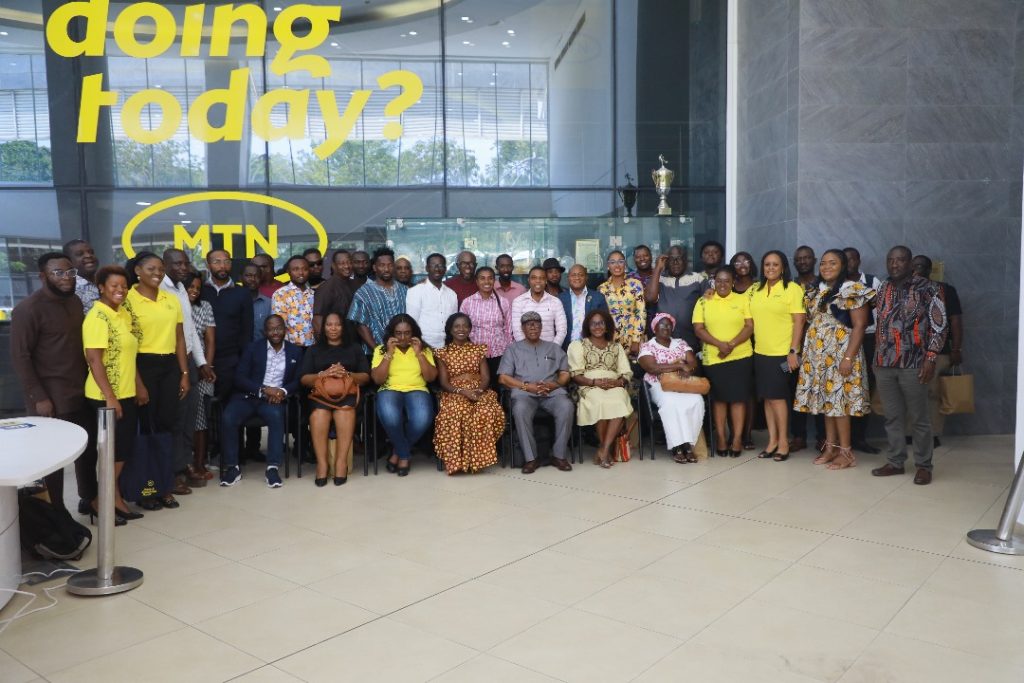
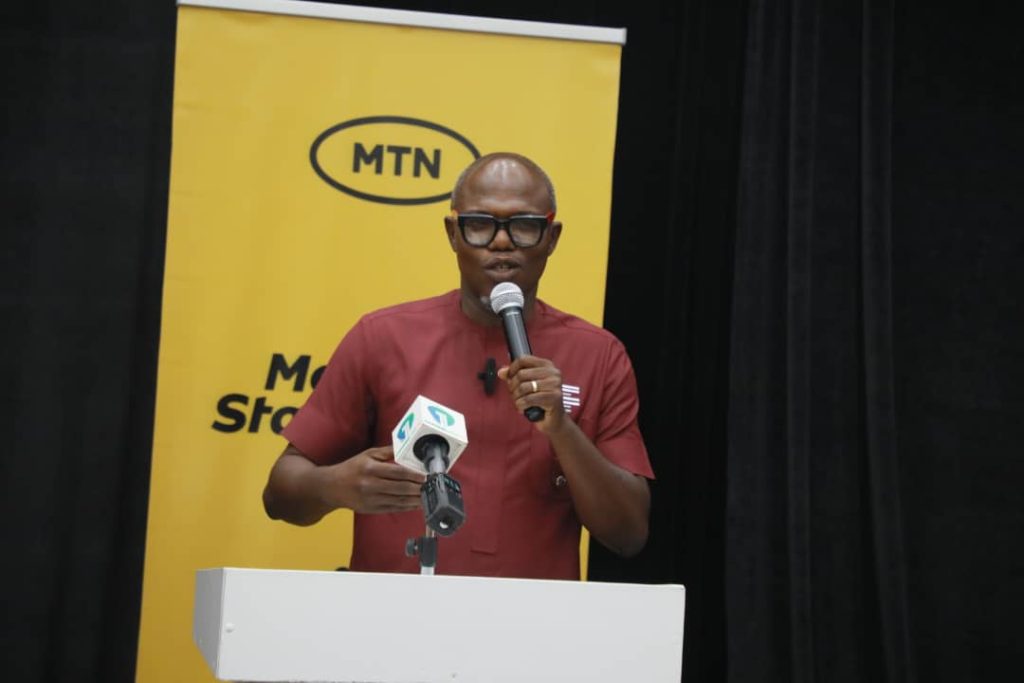
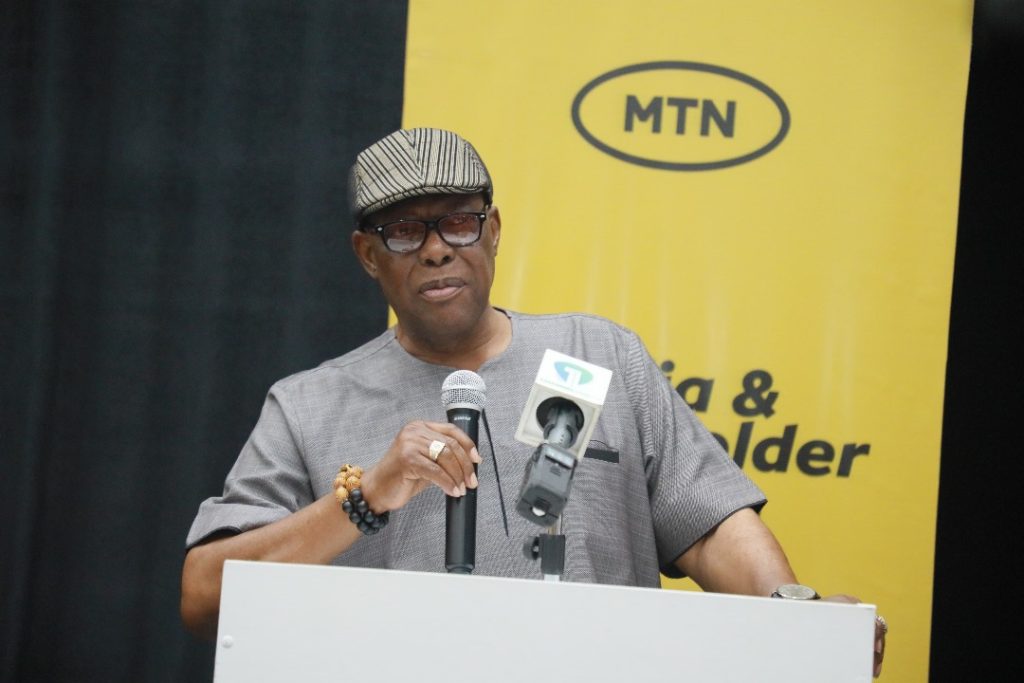
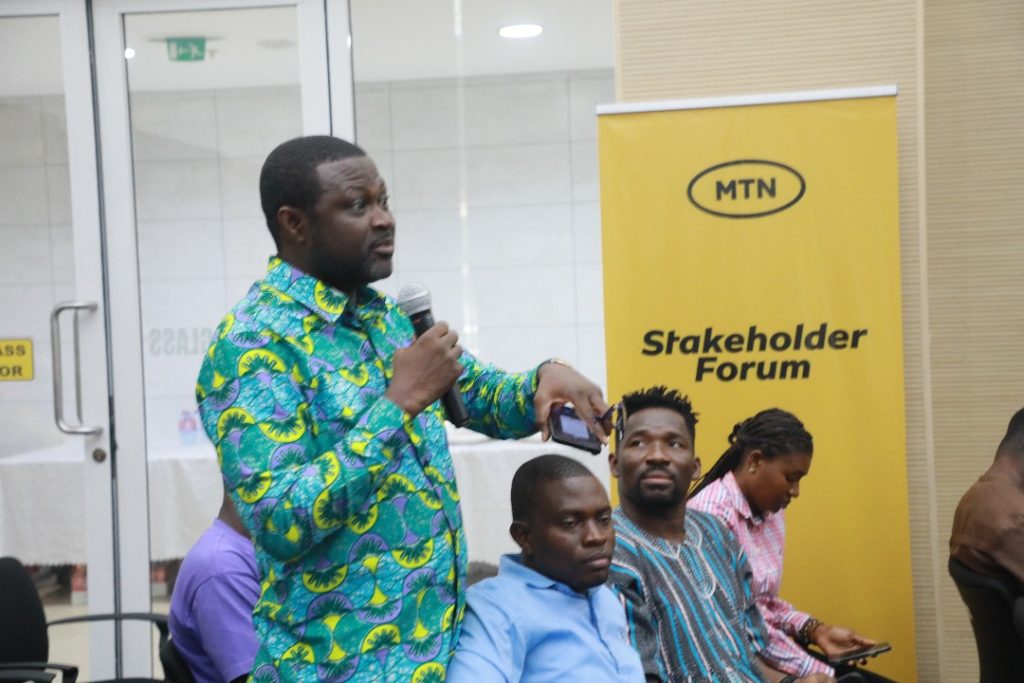
Speaking at the recent ‘MTN Republic Stakeholder Forum’ in Accra, a platform for media engagement, Ms. Wiafe revealed that MTN Ghana plans to invest $1 billion over the next five years.
This investment will not only improve service delivery but also help reduce connectivity costs by broadening the company’s network.
As part of these efforts, MTN has constructed around 5,000 new cell sites nationwide. Ms. Wiafe acknowledged the current challenges some customers are experiencing with voice and data services, attributing them to the ongoing infrastructure upgrades.
She assured that about 90% of the work in the Greater Accra Region has been completed, and customers should expect improved services in the near future.
Ms. Wiafe emphasized that MTN Ghana’s mission is to “lead the delivery of a bold, new digital world,” reflecting the company’s commitment to driving digital solutions across Africa.
Under the MTN Ghana Ambition 2025 strategy, the company aims to establish itself as the leading platform provider in Africa, focusing on building valuable networks, promoting industry-leading connectivity, and creating shared value for all stakeholders.
In response to concerns about potential job losses due to the rise of Artificial Intelligence (AI), Ms. Wiafe clarified that AI would be used to automate processes, not eliminate jobs.
She further mentioned that MTN Ghana plans to retrain its staff to prepare them for the evolving digital landscape.
Regarding the entry of Starlink into Ghana’s telecommunications market, Ms. Wiafe stated that MTN Ghana is open to partnerships that could extend internet connectivity to underserved areas.
She added that data prices could be adjusted, depending on regulatory conditions, to ensure competitive and accessible services for all.