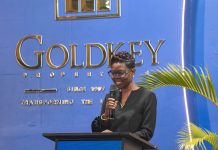














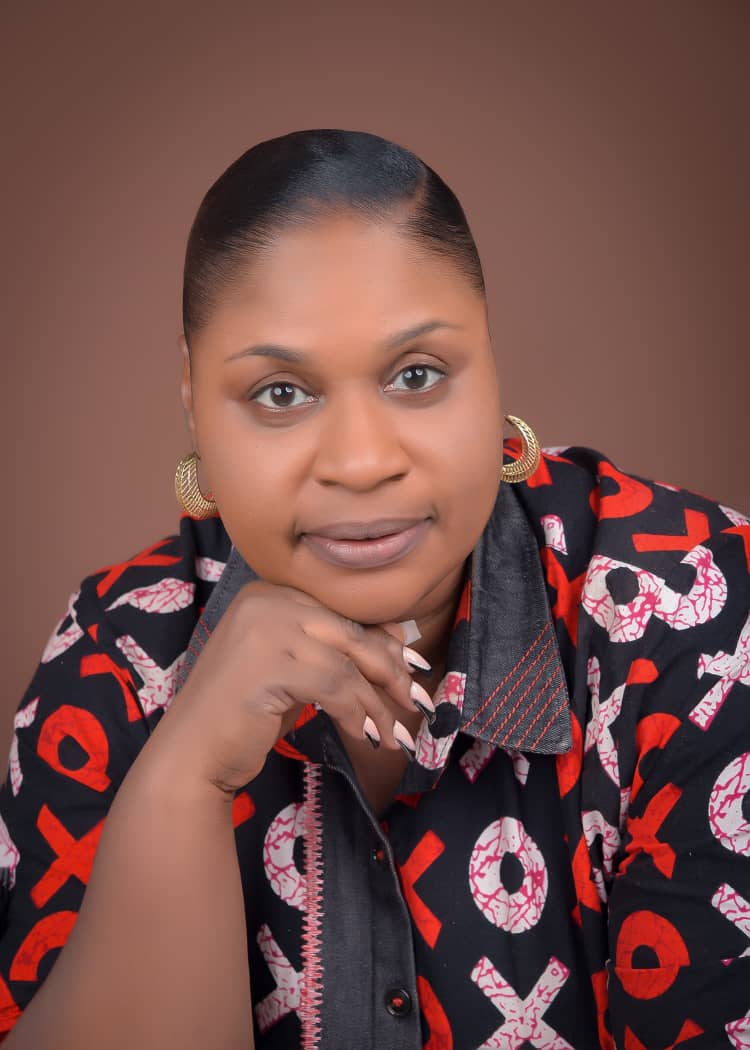
GJA Vice President Rebecca Ekpe
Ghana has recorded a significant improvement in global press freedom, rising from 52nd to 39th position in the 2026 World Press Freedom Index released by Reporters Without Borders.
The country’s performance also places it 4th in Africa, reflecting what stakeholders describe as improved media conditions despite growing concerns about declining press freedom worldwide.
Speaking on the development, Vice President of the Ghana Journalists Association, Madam Rebecca Ekpe, welcomed the progress but cautioned against complacency.
“This is worth praising, but it also means we have a lot of work to do as a country and as a media,” she said.
According to her, the ranking is based on five key indicators: political context, legal framework, economic conditions, socio-cultural factors, and the safety of journalists.
She explained that while the index measures freedom of expression and the ability to report without interference, it does not assess the quality of journalism.
Madam Ekpe emphasized the need for Ghana to sustain its gains by strengthening protections for journalists and promoting responsible reporting.
She noted that the GJA would intensify advocacy efforts aimed at eliminating attacks on journalists and improving safety standards within the media landscape.
She also highlighted ongoing collaborations between the GJA, the National Media Commission, security agencies, and the Media Foundation for West Africa to foster a more supportive environment for media practice.
The GJA Vice President further stressed the importance of professionalism, calling on journalists to uphold ethical standards and avoid reportage that could inflame tensions.
While affirming that press freedom in Ghana is real, she warned that it remains under pressure due to increasing threats against journalists.
She urged all stakeholders including government, media practitioners, and citizens to work together to protect and strengthen freedom of expression.
Madam Ekpe also reminded the public that the 1992 Constitution of Ghana guarantees freedom of expression but requires responsible use.
She encouraged individuals who feel wronged by the media to seek redress through lawful channels such as the National Media Commission or the courts, rather than resorting to attacks on journalists.
The latest ranking reinforces Ghana’s position as one of Africa’s leading democracies, but experts say sustained commitment will be required to maintain and improve the country’s standing in the years ahead.