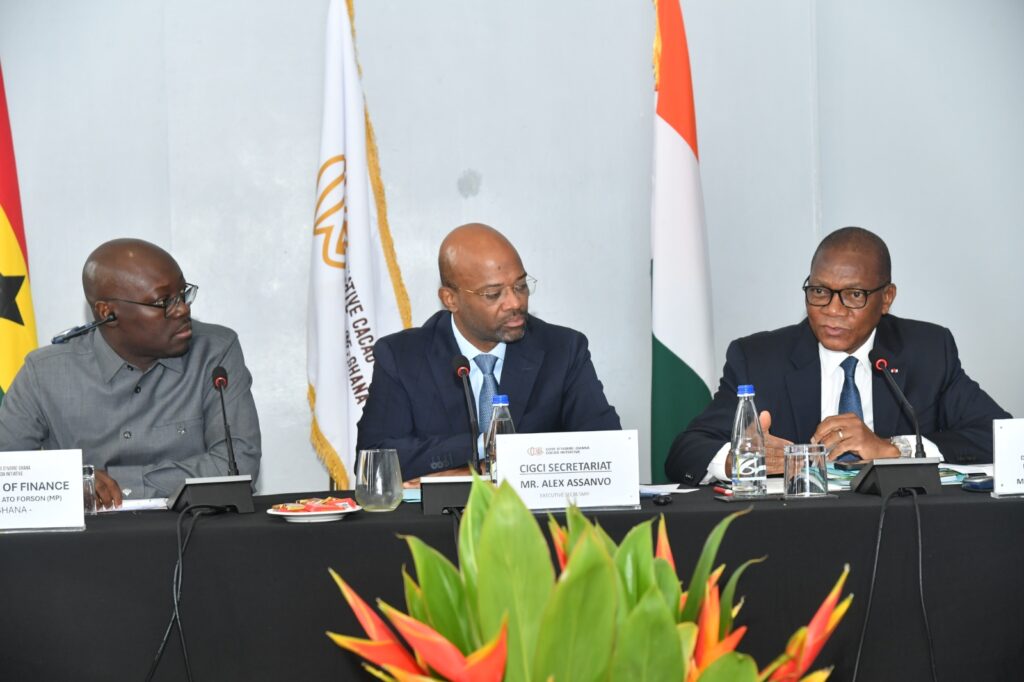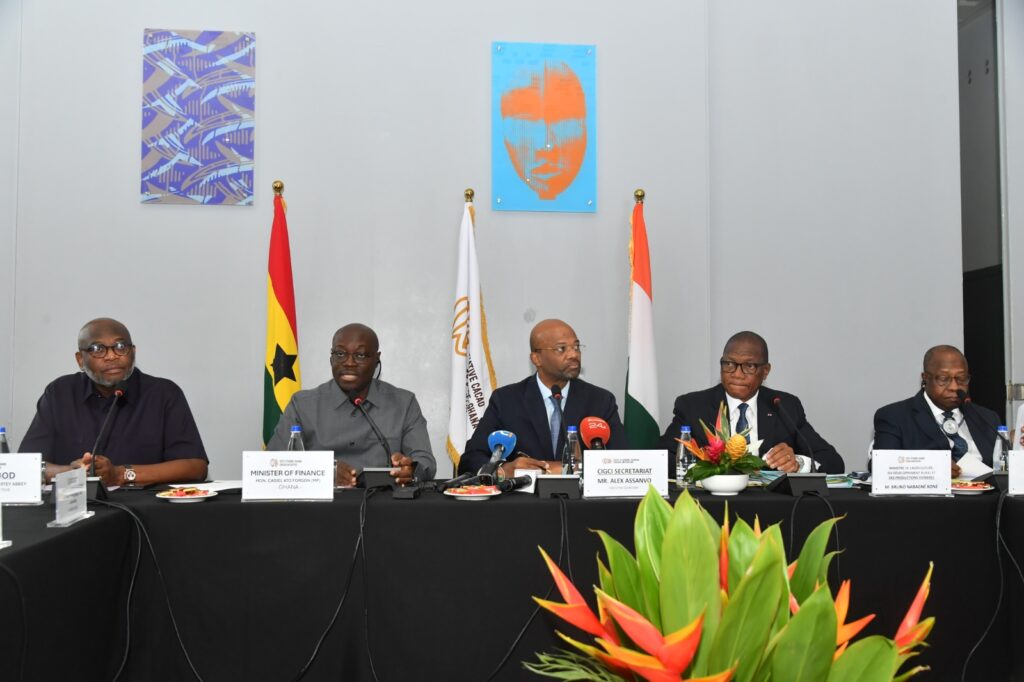


















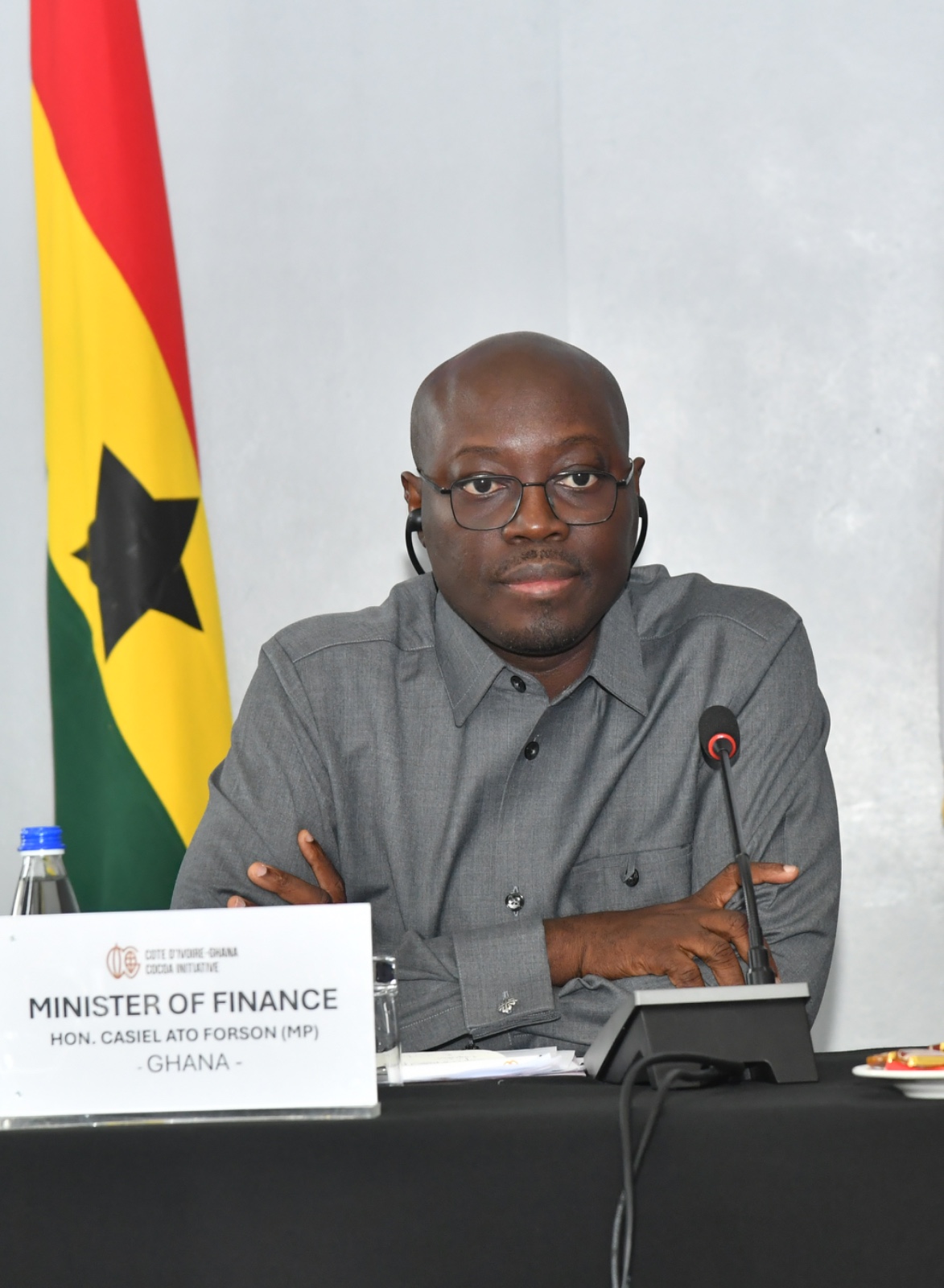
The Minister of Finance, Dr. Cassiel Ato Forson, has called for the harmonization of cocoa producer prices between Ghana and Côte d’Ivoire as a strategic measure to combat cross-border smuggling, protect farmer incomes, and strengthen collaboration within the global cocoa industry.
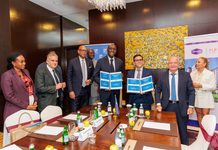
Speaking in his capacity as Chairman of the Steering Committee of the Côte d’Ivoire–Ghana Cocoa Initiative (CIGCI) at a high-level meeting in Abidjan, Dr. Forson underscored the need for closer policy coordination between the world’s two largest cocoa-producing countries, noting that significant disparities in producer prices continue to undermine efforts to achieve a stable and sustainable cocoa sector.
According to him, differences in cocoa prices between the two neighbouring countries create incentives for illegal cross-border trade, distort market dynamics, and weaken collective efforts aimed at improving returns for cocoa farmers.
“The difference in producer prices between Ghana and Côte d’Ivoire fuels smuggling activities and creates unnecessary competition that can be avoided through coordinated action,” Dr. Forson stated.
He explained that harmonizing producer prices would not only discourage smuggling but also foster greater cooperation between the two countries in advancing their shared interests within the international cocoa market.
Dr. Forson reiterated the commitment of both governments to deepening collaboration through the Côte d’Ivoire–Ghana Cocoa Initiative, which was established to strengthen cooperation on key issues affecting the cocoa sector, including pricing, sustainability, market access, and farmer welfare.
He emphasized that Ghana and Côte d’Ivoire, which together account for more than 60 percent of global cocoa production, possess significant influence within the international cocoa value chain and must continue to work together to secure fairer returns for their farmers and greater value from their cocoa resources.
The Finance Minister also addressed concerns regarding the growing threat posed by illegal mining activities to cocoa production in Ghana.
He disclosed that the Government, through the Ghana Cocoa Board (COCOBOD), is implementing measures to protect cocoa-growing areas from illegal mining, which continues to destroy productive cocoa farms, degrade the environment, and threaten the long-term sustainability of the sector.
As part of these efforts, Dr. Forson revealed that a new COCOBOD Bill is being developed to strengthen the regulatory framework governing the cocoa industry and address emerging challenges affecting production and sustainability.
“The protection of cocoa-growing areas remains a priority for the Government. We are determined to safeguard the future of the cocoa industry and ensure that cocoa farming continues to serve as a reliable source of livelihood for millions of Ghanaians,” he said.
The Minister further stressed that sustained cooperation between Ghana and Côte d’Ivoire remains essential to addressing common challenges confronting the cocoa industry, including climate change, sustainability requirements, illegal trade, and market volatility.
Stakeholders at the meeting reiterated the importance of maintaining a united front in pursuing policies that improve farmer welfare, strengthen sustainability, and enhance the competitiveness of the cocoa sector.
The Côte d’Ivoire–Ghana Cocoa Initiative continues to serve as a key platform for advancing strategic collaboration between the two countries as they work towards securing a more equitable and sustainable future for cocoa farmers across West Africa.