





















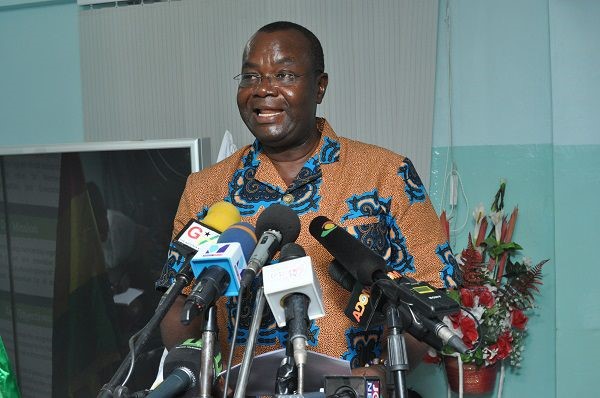
Ebo Nana Botwe, GPMA President
AmaGhana Online has chanced upon a confidential document that exposes growing tensions between Ghana’s plastic manufacturing industry and government authorities over the planned nationwide ban on expanded polystyrene (Styrofoam) products.
The leaked correspondence, addressed to the Environmental Protection Authority (EPA), reveals that operators in Ghana’s plastic manufacturing sector are demanding either a significant extension of the implementation period or a financial compensation package estimated at GH¢1.493 billion to cover investments that could be rendered obsolete by the policy.
The document, signed by the leadership of the Ghana Plastic Manufacturers’ Association (GPMA) and dated June 12, 2026, indicates that while industry players support environmental protection measures in principle, they believe the January 1, 2027 deadline is unrealistic and poses a serious threat to businesses, jobs and investments.
Industry Warns Of Massive Job Losses
According to the leaked document, the association argues that the plastics sector supports thousands of businesses and millions of livelihoods across the country.
The manufacturers claim that more than 171 factories are currently operating within the sector, directly employing over 41,000 workers, while creating additional opportunities across recycling, beverage packaging, sachet water production and other related industries.
The association fears that an abrupt enforcement of the ban could trigger widespread job losses and disrupt supply chains that depend heavily on plastic packaging materials.
Demand For 18-Month Extension
One of the key requests contained in the document is for government to postpone implementation of the ban for at least 18 months.
The manufacturers insist that such a transition period would allow businesses sufficient time to clear existing raw material stocks, adjust production systems, honour contractual obligations and explore sustainable alternatives without causing major economic shocks.
They argue that introducing the ban within the current timeline could destabilize an industry that has made substantial investments under the country’s existing regulatory framework.
GH¢1.493 Billion Compensation Request
Perhaps the most striking revelation in the leaked document is the industry’s demand for reimbursement of investments tied to machinery and production systems specifically designed for Styrofoam manufacturing.
The association estimates the value of these assets at GH¢1.493 billion, insisting that if government intends to proceed with the ban, manufacturers should not be left to absorb the financial burden alone.
According to the document, most of the specialized equipment cannot be modified to produce alternative packaging products, making the investments virtually worthless once the ban takes effect.
Banks Raise Concerns Over Industry Loans
The leaked correspondence further suggests that financial institutions have begun expressing concern over the future of loans granted to plastic manufacturing companies.
Industry leaders warn that many factories acquired machinery through bank financing and are still servicing substantial debts. If the equipment becomes unusable, manufacturers fear it could trigger loan defaults and create wider financial challenges for both lenders and borrowers.
The association therefore urged the EPA to reconsider the implementation schedule to reduce uncertainty within the sector and reassure financial institutions.
Regional Trade Could Be Affected
The document also highlights Ghana’s role as a major supplier of plastic products within the West African sub-region.
Manufacturers argue that a significant portion of locally produced plastic products is exported to neighbouring ECOWAS countries including Togo, Benin, Côte d’Ivoire, Nigeria, Sierra Leone, Liberia, Senegal, Niger and Mali.
They contend that many of these countries have not implemented similar restrictions, raising concerns about the competitiveness of Ghanaian businesses and the possibility of companies relocating operations outside the country.
EPA’s Position
The EPA announced earlier this year that Ghana would begin phasing out expanded polystyrene products as part of broader efforts to tackle plastic pollution, improve sanitation, protect public health and advance environmental sustainability.
The proposed ban covers a wide range of Styrofoam products, including takeaway food containers, disposable cups and plates, packaging materials, insulation products and other expanded polystyrene items used in commercial and domestic activities.
The policy follows earlier indications from President John Dramani Mahama that government intended to intensify efforts to reduce plastic pollution and encourage environmentally friendly alternatives.
Industry Calls For Dialogue
Despite their concerns, the manufacturers insist they are not opposed to environmental reforms. However, they maintain that any transition must be fair, carefully planned and economically sustainable.
The leaked document concludes with a call for further engagement between regulators and industry stakeholders to find a workable solution that balances environmental objectives with the protection of jobs, investments and economic growth.
AmaGhana Online will continue to monitor developments surrounding the proposed Styrofoam ban and its potential impact on Ghana’s manufacturing sector.