

















Author: William Nana Beeko
Economic transformation is rarely driven by rhetoric alone. It is built on deliberate investments in sectors capable of generating jobs, expanding exports and creating long-term value for citizens.
In Ghana’s search for new engines of growth, the Songor Salt Project is increasingly emerging as a strategic national asset, and MIIF’s investment in Electrochem Ghana Limited has become a powerful endorsement of its economic potential.
At a time when governments across Africa are seeking to diversify their economies and strengthen industrial production, Electrochem’s vision aligns closely with Ghana’s broader development agenda.
The company is not simply producing salt; it is building the foundations for an integrated industrial ecosystem that could support manufacturing, chemical processing, logistics and export-led growth.
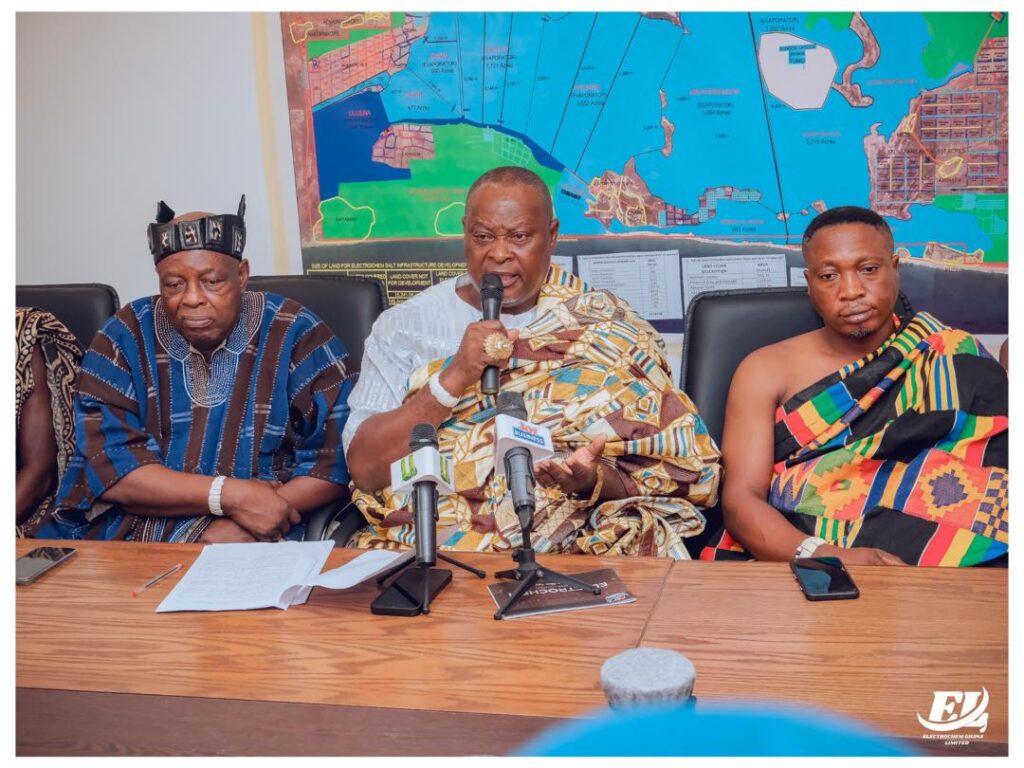
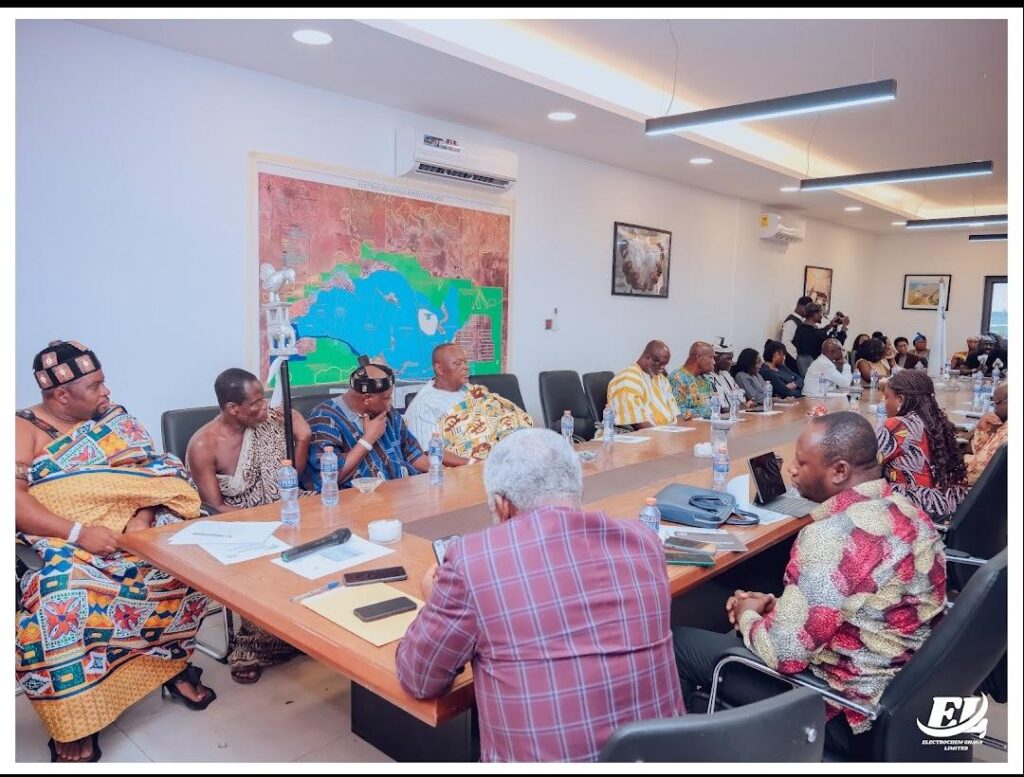
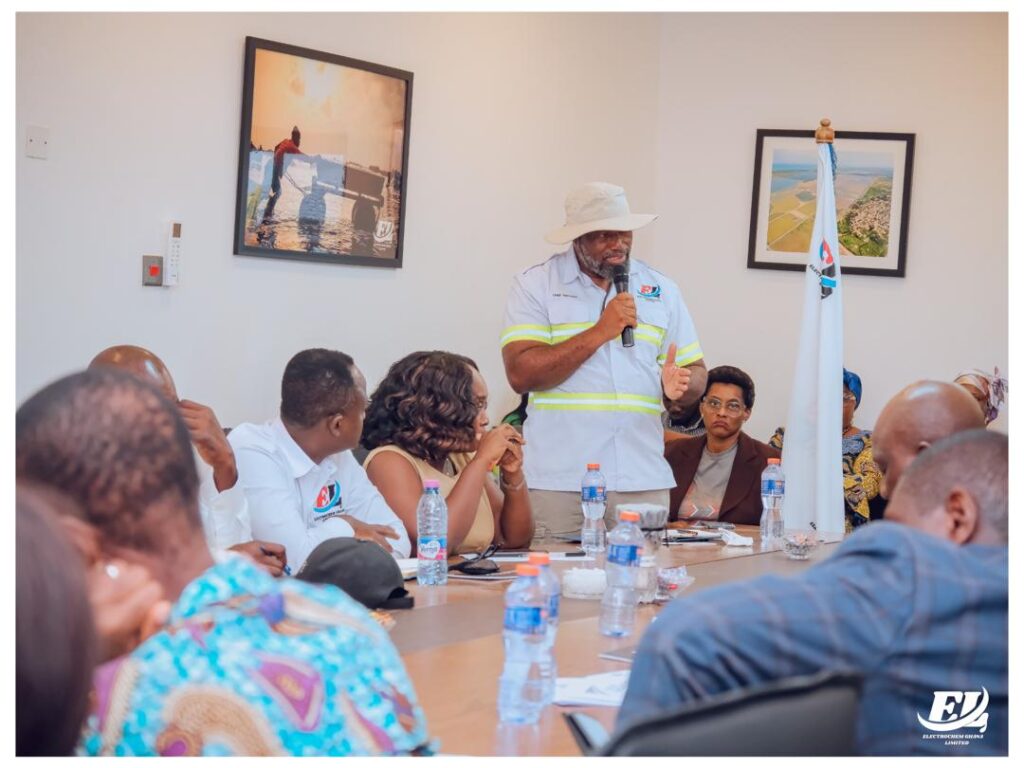
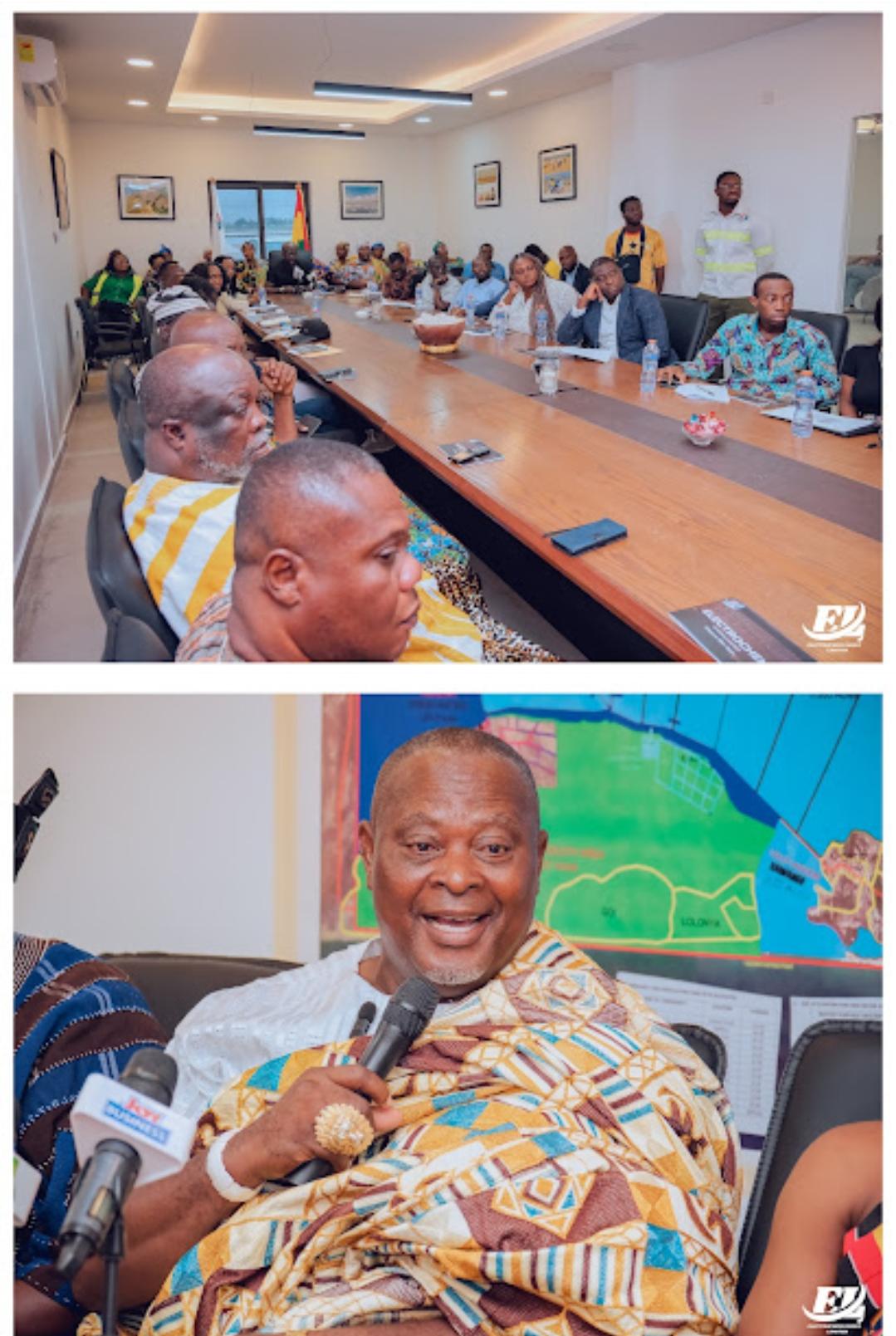
This reality was evident during a recent stakeholder engagement involving Civil Society Organizations, traditional leaders, media representatives and industry stakeholders.
Participants were given a comprehensive overview of Electrochem’s operations and its plans to position Ghana as a leading producer of high-quality industrial salt.
Stakeholders heard how the company navigated years of community engagement, compensation arrangements and operational challenges before commencing production.
They also learned about investments in social interventions ranging from community salt pans and potable water supply to women’s empowerment programmes, environmental restoration initiatives and youth development projects.
Beyond these community interventions, Electrochem showcased ambitious industrial projects including a state-of-the-art salt refinery, export terminals, a proposed caustic soda plant and an industrial park designed to drive value addition and industrial growth.
Discussions during the engagement highlighted the strategic role of MIIF in supporting this vision. Stakeholders noted that state participation through MIIF has strengthened investor confidence and demonstrated belief in the project’s ability to generate long-term economic returns for Ghana.
Several participants described MIIF’s investment as both timely and strategic, particularly given projections that Ghana’s industrial salt sector could generate billions of dollars in economic activity over the coming decade if supported with the right infrastructure and financing. However, stakeholders were equally clear that the journey is far from complete.
While acknowledging the progress achieved, they emphasized the need for additional equity investment to enable Electrochem to scale operations and achieve its target of producing one million metric tonnes of salt annually.
Such expansion, they argued, would unlock significant opportunities for job creation, foreign exchange earnings, industrial diversification and community development. It would also strengthen Ghana’s competitiveness within regional and international markets.
The importance of the Songor Salt Project extends beyond corporate success. It represents a national opportunity to transform a natural resource into a platform for inclusive economic growth. MIIF recognized that opportunity early and acted decisively.
Today, the evidence of progress is visible across the Songor enclave. Yet the greatest chapter may still lie ahead.
Additional investment will not simply increase production; it will help realize a vision capable of reshaping Ada’s economic future and strengthening Ghana’s industrial ambitions.
For stakeholders who witnessed the transformation firsthand, the message is clear: MIIF’s confidence was well placed, and the time has come for further investment to unlock the full promise of Electrochem.