
















NPP GERMANY
PRESS RELEASE
30—06—26
Accra Drowning Amid NDC Reset Scam In Full Swing—NPP GERMANY
The latest floods that submerged large parts of Accra should not merely be viewed as another natural disaster. They represent yet another devastating indictment of Ghana’s chronic leadership failure.
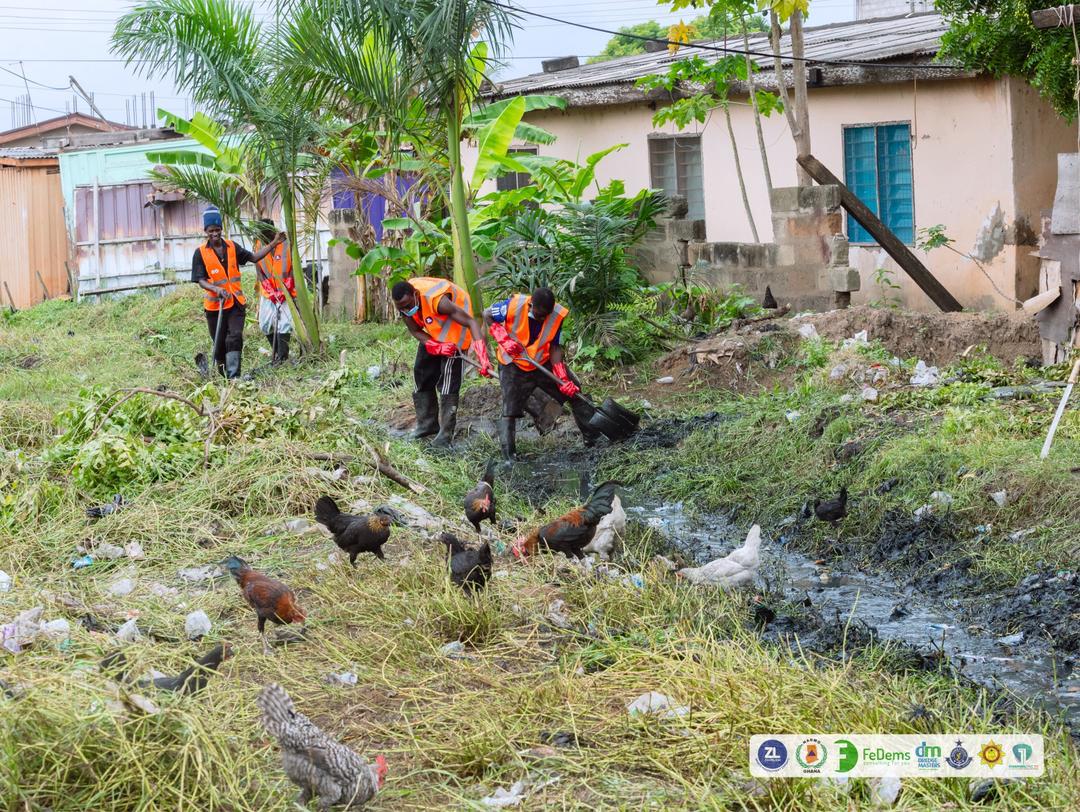
Every rainy season, the same heartbreaking scenes unfold: submerged homes, stranded commuters, destroyed businesses, damaged infrastructure, and lives placed in unnecessary danger. Yet, after decades of promises from successive governments, the capital remains frighteningly vulnerable.
On Monday, the Ministry of the Interior advised residents to remain indoors as torrential rains triggered widespread flooding across the city.
The Ghana Police Service, Ghana National Fire Service, the Ghana Armed Forces, NADMO and other emergency agencies were mobilised to respond to the crisis.
While their swift intervention deserves commendation, one uncomfortable question remains: why must Ghana continue relying on emergency responses to a disaster that has become entirely predictable?
The real emergency is not the rain. The emergency is leadership. Every government has promised to solve Accra’s flooding problem.
Every administration has commissioned studies, announced drainage projects, organised clean-up exercises, blamed indiscriminate building and poor sanitation, and assured citizens that lasting solutions were on the way.
Yet the floods keep returning with painful consistency. The only thing that changes is the date on the calendar.
President John Dramani Mahama returned to office on the promise of a “Reset Agenda”—a commitment to reset governance, restore confidence, and fix systemic failures.
But for many Ghanaians watching their properties disappear beneath floodwaters once again, that reset increasingly appears to exist more in political speeches than in practical reality.
A true reset cannot simply be about changing rhetoric. It must produce measurable change in the daily lives of citizens.
It must tackle problems that have plagued Ghana for decades with urgency, innovation and political courage. If Accra continues to flood after every heavy rainfall, then many will reasonably ask: what exactly has been reset?
The capital city cannot continue operating under a cycle of disaster management instead of disaster prevention.
Advising citizens to remain indoors is sensible during emergencies, but it cannot become the government’s annual flood management strategy. Leadership should prevent crises—not merely manage their consequences.
What Accra requires now is not another committee, another stakeholder engagement, or another political blame game. It requires an emergency national intervention with presidential authority.
Flood control should become a national security priority with dedicated funding, strict timelines, transparent procurement, and independent monitoring. Illegal structures obstructing waterways must be removed without fear or political favour.
Drainage systems must be redesigned and expanded to reflect the realities of climate change and rapid urbanisation.
Metropolitan assemblies must be held personally accountable for enforcing planning regulations before—not after—disaster strikes.
Political leaders must also abandon the dangerous habit of treating flood disasters as opportunities for public relations.
Every flood is followed by helicopter inspections, press conferences, condolence messages, and promises that “lessons have been learnt.” Yet little fundamentally changes. Citizens deserve infrastructure, not sympathy. They deserve prevention, not post-disaster visits.
The economic consequences are equally alarming. Businesses lose millions of cedis in damaged stock. Workers are unable to reach their offices.
Public transport grinds to a halt. Insurance claims rise. Investor confidence suffers. Flooding is no longer simply an environmental issue; it has become a national economic liability.
Climate change undoubtedly contributes to more intense rainfall, but climate change cannot explain blocked drains, uncontrolled construction on waterways, weak enforcement of planning laws, or decades of neglected infrastructure.
These are governance failures. Nature may deliver the rain, but poor leadership determines the scale of the disaster.
The people of Accra are growing weary of hearing familiar promises after every flood. They want results that can be seen, measured and sustained.
They want roads that remain passable after heavy rains. They want functioning drainage systems. They want confidence that leaving home during the rainy season is not a gamble with their lives.
History will not judge leaders by the number of emergency statements issued during floods. It will judge them by whether they finally solved a problem that generations before them failed to fix.
The Reset Agenda now faces one of its greatest tests. If this administration cannot deliver decisive and visible solutions to Accra’s perennial flooding, then many Ghanaians will conclude that the much-publicised reset has become little more than another political slogan—powerful on campaign platforms but painfully absent where it matters most.
Accra deserves better. Ghana deserves better. The time for speeches has expired. What the nation demands now is courageous leadership, uncompromising enforcement, and immediate action before the next storm arrives.
This cannot — and must not — be business as usual.
God Bless Our Homeland Ghana!!!
Long Live Ghana, long live the Elephant Party!!!!
Kukruduuuu Eeeessshiii!!!
Signed:
Nana Osei Boateng
NPP GERMANY Branch
Communications Director