






















Accra, Ghana, 22 June 2026: As the region accelerates digital transformation, infrastructure development, energy expansion, and public-sector modernisation, new global research from Project Management Institute (PMI) reveals that project complexity is emerging as a prominent threat to successful project delivery across Sub-Saharan Africa.
PMI’s latest Pulse of the Profession® report, Driving Success in Complex Projects: From Navigating Tasks to Navigating Systems, finds that projects are increasingly facing missed deadlines, decision bottlenecks, and pressure on teams as organisations race to deliver transformation amid rapid change.
The report, based on insights from project professionals and senior leaders across 35 countries, shows that 81% of project professionals globally believe projects have become more complex in recent years, with 37% describing the increase as significant.
This increase in complexity is being driven by a combination of organisational, environmental, and human factors, including AI adoption, shifting stakeholder expectations, economic volatility, and increasingly interconnected systems.
In Sub-Saharan Africa, the research highlights a particularly strong pattern of delivery disruption. According to PMI’s regional findings, missed delivery deadlines (at 44%) stand significantly above the global average (35%), while delays in stakeholder decision-making (41% vs. 34% for global) is emerging as another major friction point for organisations across the region.
The findings suggest that complexity is increasingly slowing value alignment, approvals, and execution, creating governance bottlenecks that compound delivery challenges.
Team morale is also under pressure, with 23% of regional respondents citing decreased morale as a consequence of poorly managed complexity, compared to 19% globally.
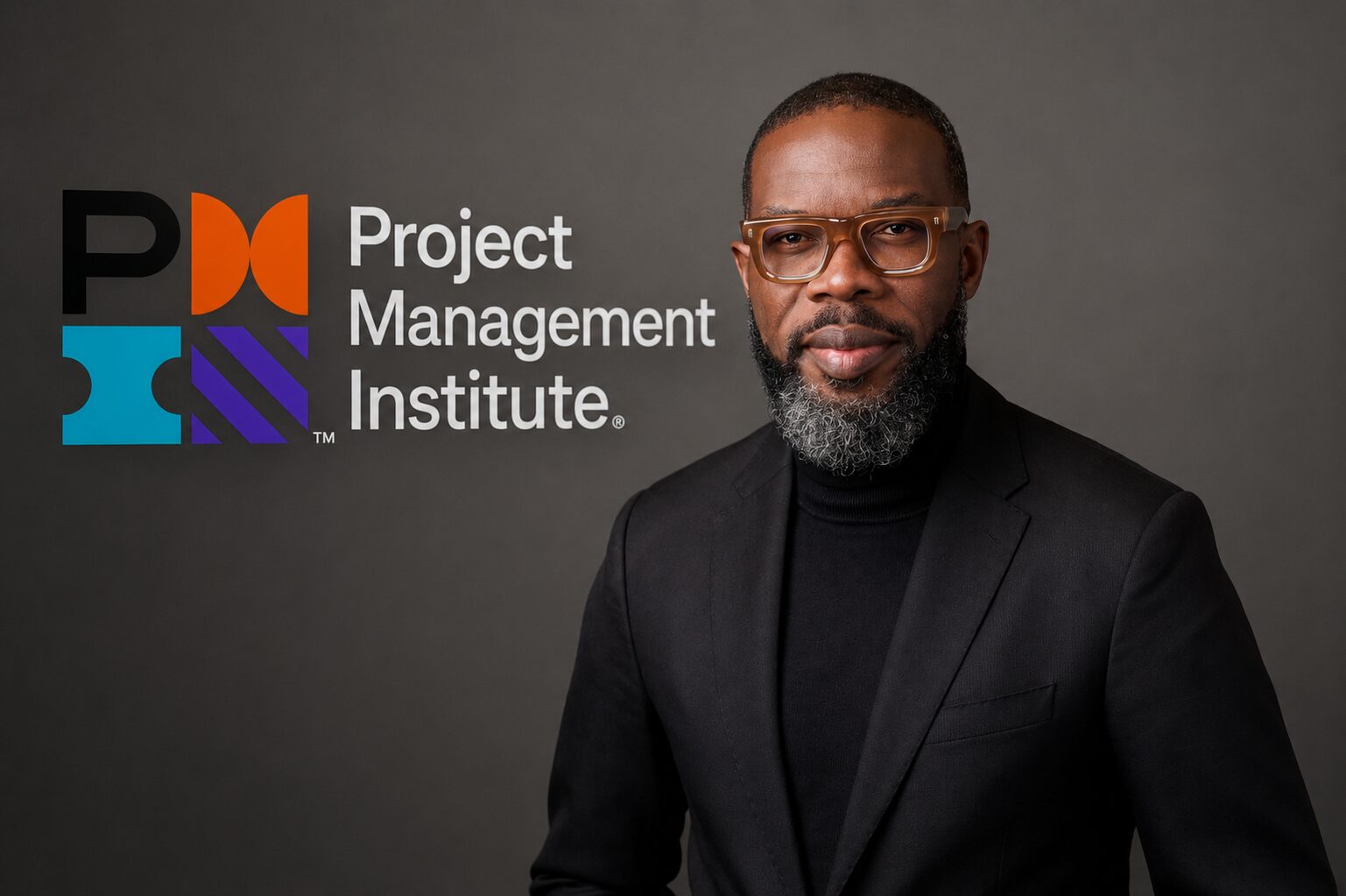
“These findings reflect the realities many organisations across Africa are already facing,” says George Asamani, MD, PMI Sub-Saharan Africa. “Africa is currently undertaking some of the world’s most ambitious transformation agendas, from infrastructure and industrialisation to digital inclusion, energy access, fintech innovation, and public-sector reform. But as the scale of ambition grows, so does the complexity behind execution.”
“As organisations attempt to deliver more projects faster, many are discovering that traditional approaches focused purely on timelines and tasks are no longer enough. Success today depends on the ability to navigate interconnected systems, align stakeholders quickly, adapt to change continuously, and build resilient teams capable of operating in uncertainty,” he added.
The report identifies three major dimensions of complexity globally: organisational, environmental, and human. Organisational complexity includes unclear governance structures, siloed teams, and competing priorities that make alignment and execution more difficult. Environmental complexity is driven by rapid AI disruption, geopolitical shifts, regulatory volatility, and broader market uncertainty, forces reshaping project environments faster than many organisations can adapt.
Human complexity, meanwhile, is the social and cognitive dimension: competing incentives, political dynamics, and relationship pressures that affect how decisions get made, how teams build confidence, and how effectively people can lead through uncertainty.
According to Asamani, complexity does not always appear as a major crisis. Often, it shows up through everyday project challenges like shifting priorities, delayed decisions, changing requirements, or stakeholders pulling in different directions. But when these issues are not managed as part of a bigger interconnected system, they can lead to delivery delays, strategic drift, and pressure on teams.
Despite these challenges, the research points to a clear opportunity: organisations and teams that effectively manage complexity are five times more likely to deliver successful projects. Globally, projects managed effectively in complex environments achieved an 88% success rate compared to just 14% that were ineffective at managing complexity.
The research highlights several practices strongly linked to better project outcomes, including securing sponsor alignment early, maintaining phased stakeholder engagement throughout the project lifecycle, applying structured frameworks to navigate complexity, investing in scenario planning, and sustaining team momentum during periods of uncertainty.
For Sub-Saharan Africa, where project delivery directly determines economic growth, social outcomes, and investor confidence, closing this complexity management gap is not optional; it is a strategic imperative. PMI’s certifications and frameworks are specifically designed to equip project professionals with the tools to navigate complex, interconnected systems and deliver with consistency and impact.
“The future competitiveness of African economies will increasingly depend on the ability to execute at scale,” says Asamani. “Africa does not have an ideas deficit, and increasingly it does not have a capital deficit. What will determine whether this decade delivers on its promise is execution capability. Strong project leadership isn’t a soft priority; it’s the difference between transformation that happens on paper and transformation that changes lives.”
About Project Management Institute: PMI is the leading authority in project success. Since 1969, PMI has shone a light on the people and advanced practices behind successful projects.
Supported by a global community of millions of project professionals and by thousands of corporations, government agencies, and academic institutions, PMI provides the knowledge, resources, and certifications to lead projects and transformations effectively and responsibly.
Join PMI in elevating our world – one project at a time. Connect with us at www.pmi.org, LinkedIn, Instagram, Facebook, and on X
PMI Trademarks: Project Management Institute and PMI are trademarks and/or registered marks of Project Management Institute, Inc., in the US and/or in other countries.