





















For many young graduates, securing a well-paying first job remains one of the biggest challenges after university.
The Graduate Management Acceleration Programme (GMAP) at United Bank for Africa helps bridge this gap by providing talented young professionals with the opportunity to begin meaningful careers in banking, supported by hands-on experience and structured development.
“My GMAP Journey at UBA Ghana” is a series featuring participants of the programme, sharing their experiences, challenges, and key lessons as they build their careers.
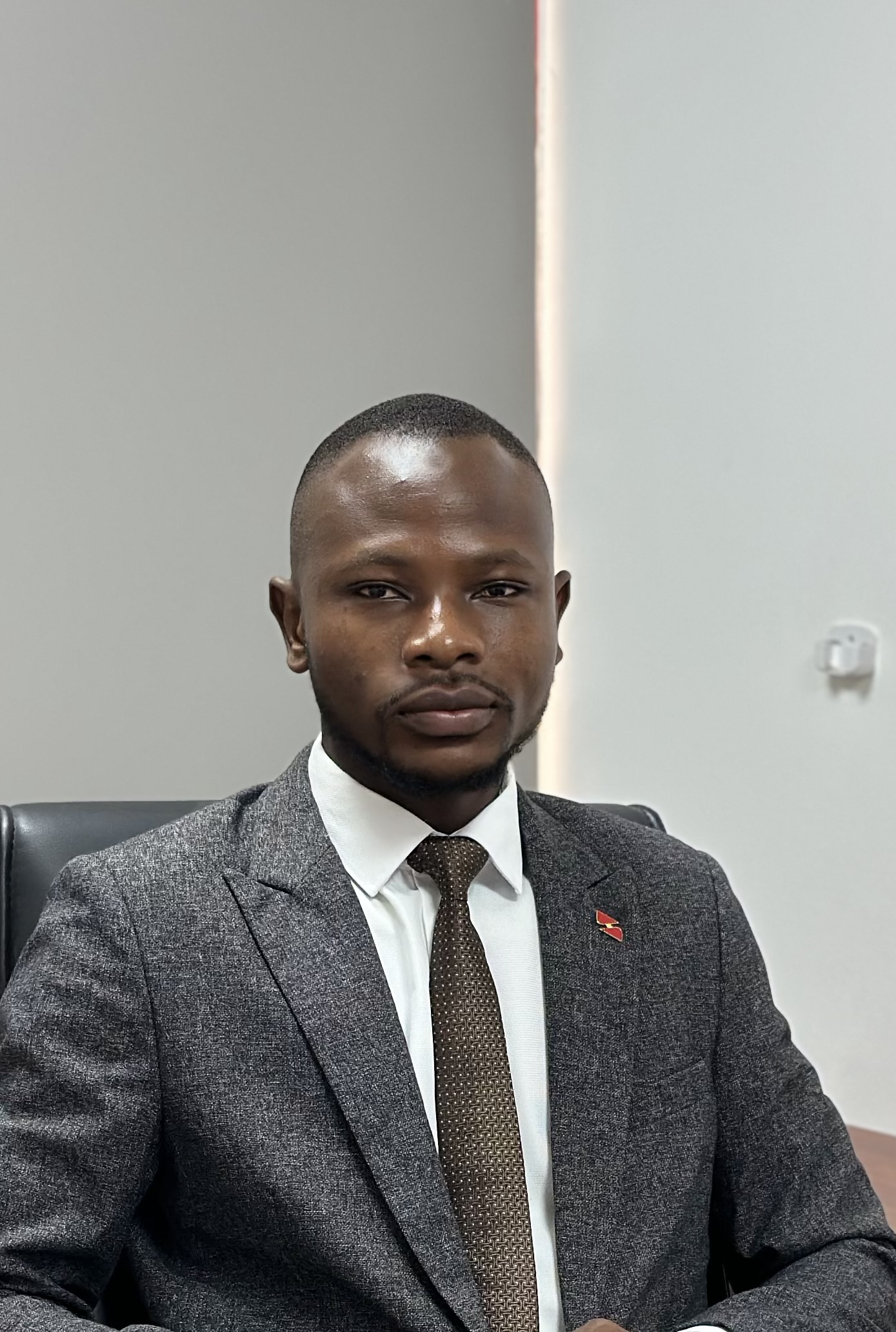
This edition features Habib Kassum, a Relationship Officer at UBA Ghana’s Tarkwa Office, who shares his experience so far.
Before joining GMAP, what did you think working in a bank would be like and what’s been the biggest surprise?
Prior to joining GMAP, there were certain assumptions that the banking sector is essentially a business that involves transactions as its core and focuses mainly on customer service as well as sales targets. However, the aspect which surprised me the most about banking is its strategy-related nature.
Banking is more than just transactions; understanding customers, identifying opportunities, managing risks, and growing are also important. My current role and position have helped me to learn more about relationship management.
Who were you before GMAP, and how has the program changed you so far? What part of yourself have you discovered most?
Before joining GMAP, I was only a Mathematics graduate having a logical approach to work, but with little banking industry experience.
Though I had the theoretical knowledge, I did not possess the confidence to utilize it. GMAP has transformed me into a more confident and result-oriented professional. I’ve discovered my strength in relationship management and my ability to connect with customers, understand their needs, and deliver tailored financial solutions.
What has been your toughest moment in the program, and how did you get through it?
One of the situations I found to be most challenging for me in the early stages was getting used to meeting target. There were even times when I was scared to approach customers for businesses because I might be turned down. However, I soon came to understand that rejection is just one of the many things that I should be ready to deal with on my way to success. I challenged myself to speak to more customers and more experienced colleagues to improve on my communication skills in the sector. Over time, my confidence grew to a certain level, and it became easier to approach prospects for businesses. Those moments are now seen to be part of the learning process.
What’s something about working in a bank that people completely misunderstand?
The myth many people have about banking is just about looking sharp, sitting behind a desk in a room full of AC to handle cash all day. But the reality is that banking is highly customer-focused and requires strong analytical thinking. It is about understanding the customer’s business, managing risks, identifying opportunities, and building business beneficial relationships. It consists of finance, strategy and human interaction but not just transactions.
What skill has mattered most in your role that you didn’t learn in school? How did you learn it on the job?
Customer Relationship
Management has been the greatest skill I did not really learn in school. Although the study of mathematics at the tertiary level contributed to developing my analytical skills but it did not really prepare me for managing diverse customers with different personalities and expectations. This was developed on the job by regular customer interactions, learning from experienced colleagues.
How has this experience changed your career goals or ambitions?
This experience has helped me to streamline my career goals. Initially, I was interested in other pure mathematics related roles, but I am now focused on helping customers to grow their businesses together and improve and excel in my relationship management skill.
What honest advice would you give to someone applying for GMAP today? And what advice would you give to young people exploring their work options?
In all honesty, GMAP is not for the weak. For anyone applying for GMAP, be ready to unlearn, learn and relearn. Be prepared for continuous learning, quick adaptation, and be willing to step out of your comfort zone. It can be demanding but very rewarding. Focus on building practical skills, be willing to learn on the job, stay curious and give it your best and you will never regret it.
How did you react to your first salary, and what did you buy for yourself?
It was really a happy and humbling moment. It really felt good and huge. I did not really buy anything for myself, but I fulfilled one of my greatest desires. Larger part of that went to supporting my family and that was important to me. I again used some of it to assist few elderly folks in the community, something I have always felt strong about and it makes me feel good.
Beyond the title or pay, what has this experience meant to you personally?
Apart from the salary and title, the learning experience has been a journey of growth and self-discovery. It has helped me built my confidence, resilience, and ability to work under pressure without flouting any policy.
Also, being a business banker gives me a sense of purpose. Helping individuals and businesses to achieve their financial goals and growth makes me feel good.
Would you recommend UBA as an employer of choice and why? what about the culture, people, or opportunities makes it stand out for you?
I would recommend UBA as an employer of choice any day and time.
The institution provides a strong platform for learning, growth and career development. What stands out is the supporting environment and the focus on performance and innovation.
The people are collaborative, and there is continuous encouragement to grow professionally and take on new challenges.
I am and will always be a proud Lion.
Beyond nurturing future leaders, the UBA GMAP is a bespoke graduate trainee programme making significant strides in addressing critical societal needs.
The world-class programme continues to identify some of the brightest young men and women across Africa, investing in and equipping them for the future.