











About 200 Ghanaian students studying in Russia under government scholarship programmes are allegedly facing severe financial difficulties after reportedly going about 14 months without receiving their monthly stipends.
The beneficiaries, who spoke on condition of anonymity, allege that the prolonged delay has left many of them struggling to afford food, accommodation and other essential expenses, with some reportedly accumulating significant debts.
According to the students, the situation prompted the leadership of the National Union of Ghana Students (NUGS), Russia, to engage the Ghana Embassy in Moscow in June 2026 in an effort to seek an urgent resolution to the alleged stipend backlog.
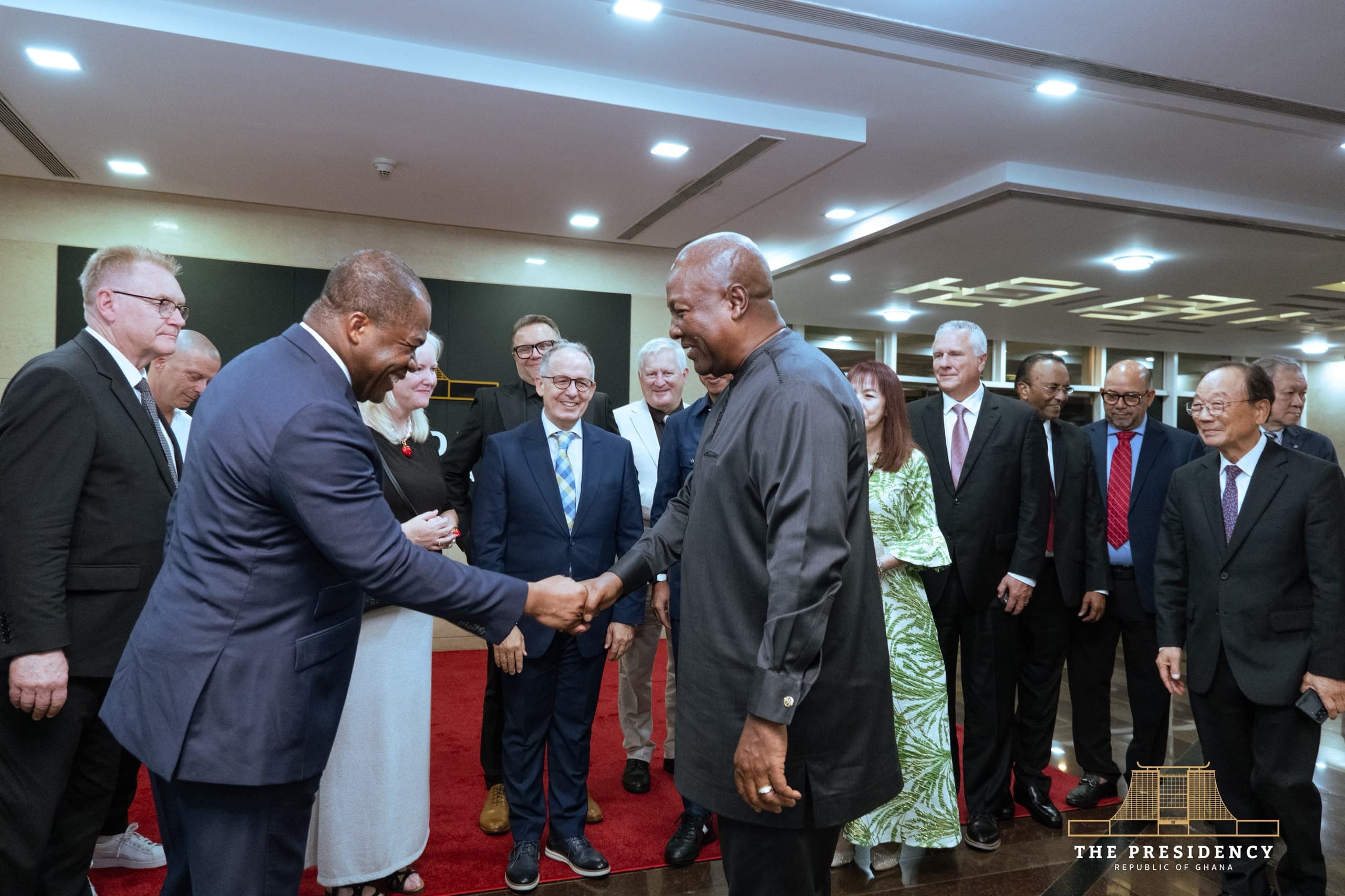
The anonymous beneficiaries further allege that during the engagement, the Ghana Embassy indicated that funds had been received from the Ghana Scholarship Authority (GSA) for payment to the affected students.
However, the students claim they were subsequently informed that each beneficiary, regardless of whether they were pursuing an undergraduate or postgraduate programme, would receive a flat payment of US$300 despite the alleged 14-month arrears.
The beneficiaries described the proposed amount as inadequate, alleging that it does not reflect the different stipend levels applicable to undergraduate and postgraduate scholarship recipients.
They claim that postgraduate beneficiaries are entitled to a monthly stipend of US$500, while undergraduates are entitled to US$300, and therefore argue that a uniform payment would leave a significant portion of the alleged arrears unresolved.
With the new academic year expected to begin on September 1, 2026, the anonymous students allege that their financial difficulties have reached a critical point.
Some beneficiaries claim they are facing possible eviction from student accommodation because of accumulated unpaid bills, while others reportedly remain unable to settle visa renewal fees.
The students also allege that visa-related charges have recently increased across Russia, placing additional financial pressure on beneficiaries who say they have already exhausted their available resources.
Some of the anonymous beneficiaries further claim that failure to meet the relevant immigration requirements could expose affected students to serious difficulties, including the possibility of losing their legal status in Russia.
The students also allege that they have been forced to borrow money from friends and acquaintances to meet basic living and academic expenses, with some now facing pressure from creditors to repay the funds.
According to the beneficiaries, the situation has been made more difficult by what they describe as restrictions preventing government scholarship students from taking up employment to supplement their income.
They claim that the combination of unpaid stipends, rising living expenses, accumulated debts and restrictions on employment has left many beneficiaries with few options for supporting themselves.
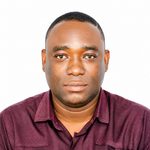
The anonymous students are also backing a public appeal reportedly made by the President of NUGS Russia, Jibril Kojo Nkum, for urgent government intervention to address the alleged financial difficulties confronting the scholarship beneficiaries.
The beneficiaries maintain that immediate action is necessary to prevent what they describe as a worsening crisis ahead of the new academic year.
They are therefore appealing to the Government, the Ghana Scholarship Authority and other relevant authorities to urgently address the alleged 14-month stipend backlog and provide clarity on the proposed payments.
The students further allege that unless the situation is resolved promptly, some beneficiaries could be left without accommodation and basic means of survival as they struggle too continue their studies in Russia.