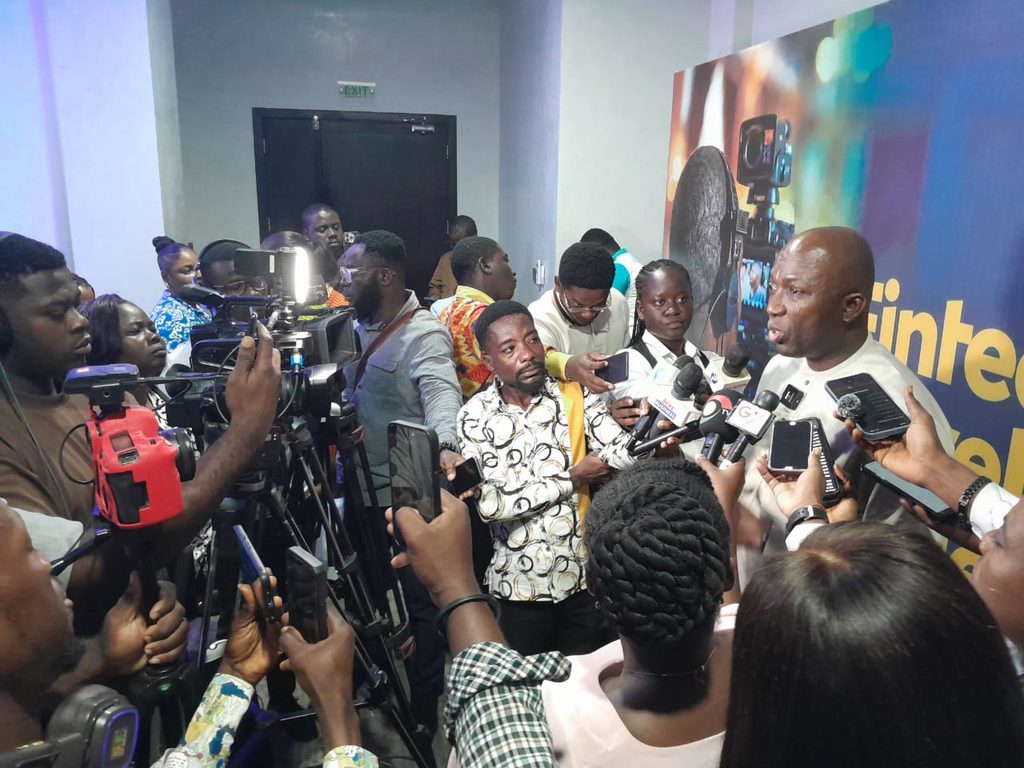






















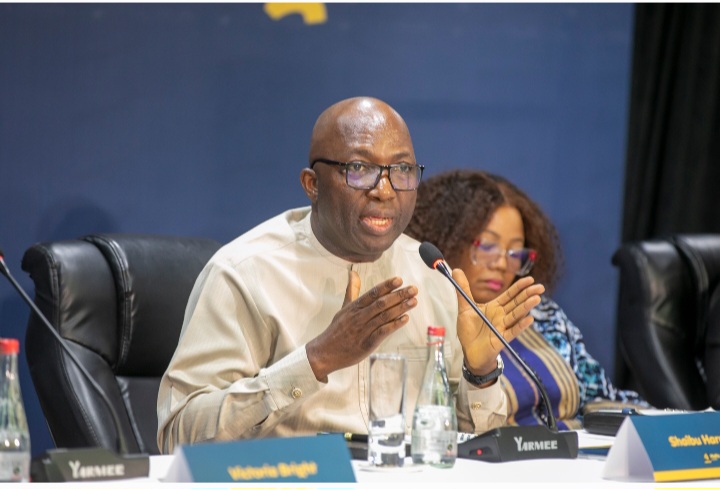
ACCRA, GHANA — MobileMoney Fintech LTD (MMFL) has announced plans to expand digital lending and financial services to help transform Ghana’s informal economy, support small businesses and improve access to investment opportunities.
The company’s Chief Executive Officer, Shaibu Haruna, said digital financial services must move beyond facilitating payments to creating meaningful economic opportunities for individuals and micro, small and medium-sized enterprises (MSMEs).
He made the remarks at the second edition of the MMFL Media Development Series, which brought together editors and senior journalists to discuss developments in Ghana’s digital financial ecosystem.
Mr Haruna observed that although mobile money adoption had expanded significantly, many small businesses remained trapped in subsistence operations because of limited access to credit, inadequate financial management and insufficient support for growth.
“We need to begin to build the next businesses that are going to shape Ghana’s economic development, create employment and build an ecosystem that fosters growth,” he stated.
He explained that many traders use personal mobile money wallets for business transactions, making it difficult to separate household expenditure from business income and establish reliable financial records.
To address the challenge, MMFL intends to collaborate with financial institutions and strategic partners to develop tailored solutions that will help informal operators manage their finances and improve their eligibility for credit.
Mr Haruna said digital lending could provide alternative routes to financing by using transaction histories and payment patterns to assess customers who lack conventional collateral or extensive financial documentation.
However, he emphasised the importance of responsible borrowing, repayment discipline and customer education to ensure that digital credit supports sustainable business development.
The CEO disclosed that Ghana’s mobile money industry processed transactions worth more than GH¢4 trillion in 2025, clarifying that the figure represented the total value of transactions rather than revenue earned by service providers.
He further revealed that MMFL processes more than 26 million transactions daily and upgraded its technology infrastructure in 2025, nearly doubling its transaction-processing capacity to accommodate growing demand.
“We view ourselves as a national transaction rail,” he said, stressing the importance of reliable systems, cybersecurity and continuous investment in infrastructure.
Mr Haruna warned that increasingly sophisticated digital fraud posed a significant threat to public confidence and financial inclusion, as criminals continued to exploit social media, online marketplaces and messaging applications.
He recounted an incident in which fraudsters attempted to compromise his WhatsApp account after he contacted what appeared to be a legitimate pizza business online, highlighting the risks associated with deceptive internet listings.
He called for stronger cooperation among financial institutions, telecommunications companies, technology providers and regulators, while identifying artificial intelligence as a useful tool for detecting suspicious transactions and improving fraud prevention.
As part of its digital expansion plans, MMFL is promoting wider adoption of its MoMo application to simplify transactions and improve access to different financial services. Mr Haruna assured customers that existing USSD services would remain available.
He also highlighted opportunities in embedded finance, which could enable customers to allocate small amounts from everyday transactions towards savings, investments and insurance products, making financial planning more convenient.
On emerging investment opportunities, he said asset tokenisation could potentially allow Ghanaians to acquire fractional interests in assets such as gold. He stressed, however, that appropriate regulatory safeguards would be necessary to protect investors.
Mr Haruna further advocated stronger interoperability among African digital payment systems to facilitate cross-border transactions, improve market access for small businesses and support trade under the African Continental Free Trade Area (AfCFTA).
He also called for measures to address financial inclusion gaps affecting women and informal entrepreneurs, particularly challenges involving identification documents, business registration and access to suitable financial products.
Reaffirming MMFL’s commitment to industry collaboration, Mr Haruna cited engagements such as the Bank of Ghana-led 3i Africa Summit as part of efforts to strengthen Ghana’s fintech ecosystem.
He said the company would continue working with industry stakeholders to develop innovative financial solutions, support enterprise growth and ensure that digital finance contributes to employment creation and improved livelihoods.