


















Author: Nicholas Akussah
Young Girls have urged policymakers and development partners to make girls’ welfare a central priority in climate adaptation strategies, warning that environmental crises are deepening existing inequalities and threatening the future of vulnerable children.
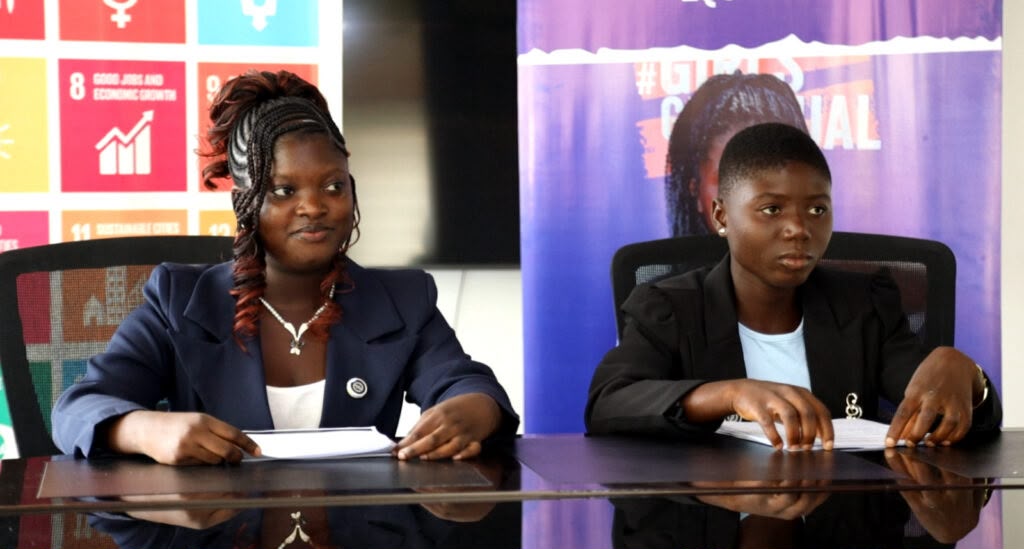
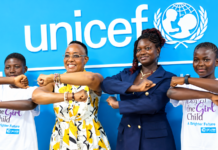
The call was made during Plan International Ghana’s Girls’ Takeover Day on October 13, 2026, where young participants used their temporary leadership positions to push for stronger policies on education, healthcare, child protection and girls’ involvement in decision-making.
The initiative, organised ahead of the International Day of the Girl Child observed on October 11, also provided a platform for the launch of Plan International’s State of the World’s Girls 2026 report, which explores the relationship between climate change, sexual and reproductive health and rights, and child marriage.
At the centre of the engagement was a demand for governments and other stakeholders to recognise that climate change is not merely an environmental concern but also a social protection and gender equality issue.
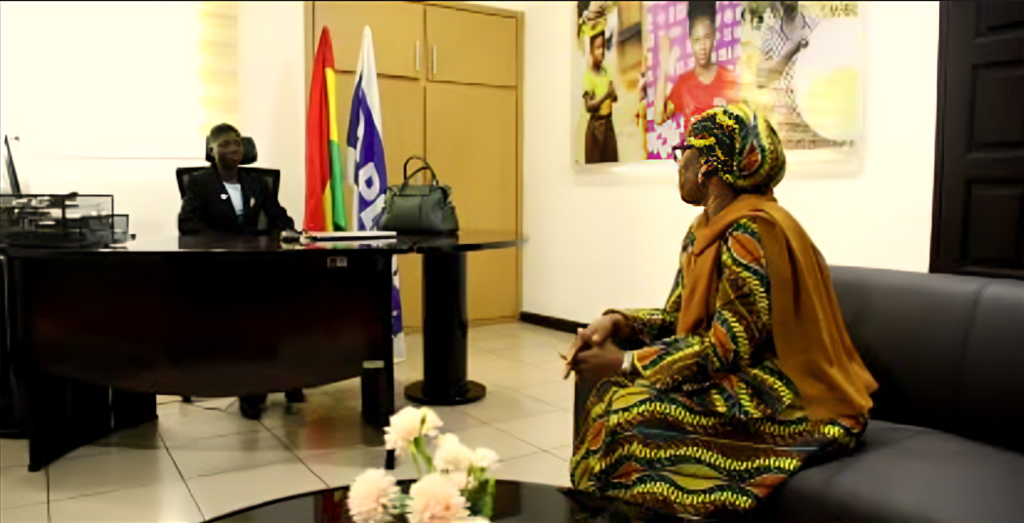
Fourteen-year-old Priscilla Amoadzah, who assumed the role of Country Director of Plan International Ghana for the day, said climate-related disasters were creating conditions that could undermine girls’ education, safety and aspirations.
She explained that floods, droughts and extreme temperatures could interrupt schooling, restrict access to essential healthcare and increase girls’ exposure to violence, exploitation and pressure to enter early marriages.
“We are children. We should be learning, playing and dreaming about our future, not worrying about how climate disasters will affect our lives,” she said.
The young leaders argued that climate responses must go beyond emergency relief to address the specific challenges girls face before, during and after environmental disasters.
They called for measures to ensure that girls remain in school during emergencies, stressing that disruptions to education could have lasting consequences for their personal development and future economic opportunities.
They also highlighted the need for reliable access to healthcare and essential services, particularly for girls whose communities are affected by displacement, damaged infrastructure and other climate-related emergencies.
Another major concern raised at the event was the risk of child marriage, with participants calling for stronger protective systems to prevent environmental and economic pressures from pushing vulnerable girls into early unions.
The children further demanded that girls be given meaningful opportunities to participate in decisions concerning climate resilience, disaster preparedness and community development.
They maintained that young people should not be treated merely as beneficiaries of policies but as contributors whose experiences and perspectives could help shape more effective interventions.
Juliet Dede Gberbi, who took over as UNICEF Ghana’s Officer in Charge for the day, said the initiative demonstrated the importance of creating platforms where young people could express their concerns and participate in conversations about their rights and future.
The participants also called for targeted interventions for girls facing additional barriers, including those with disabilities, girls from minority communities and children displaced from their homes.
They stressed that climate-related programmes must be inclusive and responsive to the different circumstances that determine how girls experience environmental risks.
Country Director of Plan International Ghana, Madam Muniratu Issifu, and UNICEF Ghana Officer in Charge, Anne Kariuki, assured the young participants that their recommendations would be considered for action.
The engagement concluded with renewed calls for stronger collaboration among government institutions, civil society organisations, development partners and communities to protect girls from the growing consequences of climate change.
Through the launch of the State of the World’s Girls 2026 report, the organisers sought to draw attention to the urgent need to connect climate action with girls’ rights, health, education and protection.
The campaign’s message, captured in the hashtag #ChangeHerForecast, underscored the need to move beyond acknowledging the challenges girls face and take practical steps to secure a safer and more equitable future for every girl.