




















The Private Newspapers and Online News Publishers Association of Ghana (PRINPAG) has warned against attempts to dismiss traditional journalism as outdated, arguing that professional media remains indispensable to Ghana’s democracy, national security and public accountability.
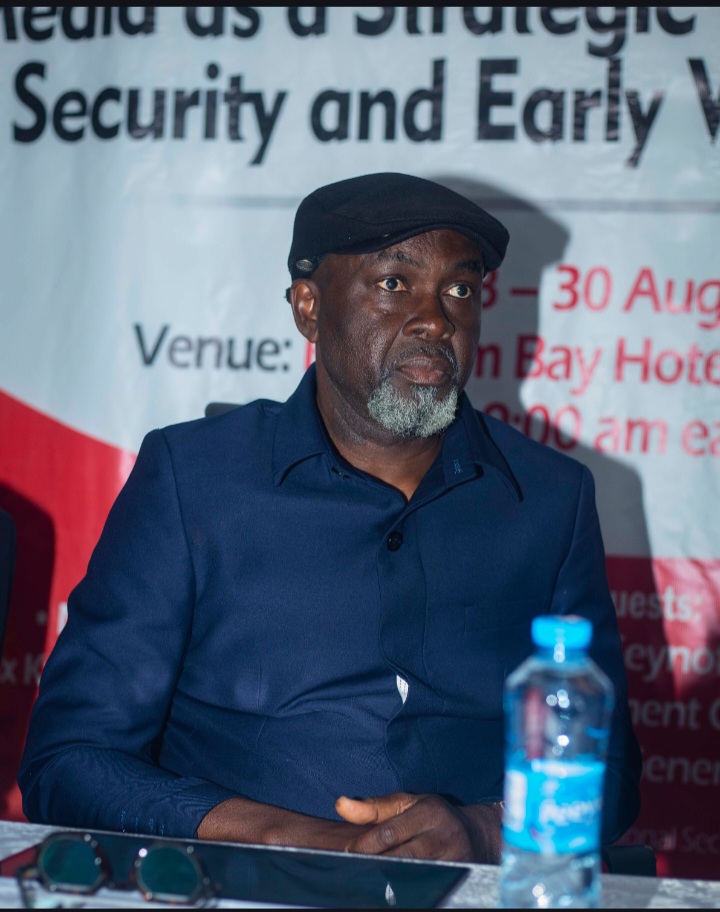
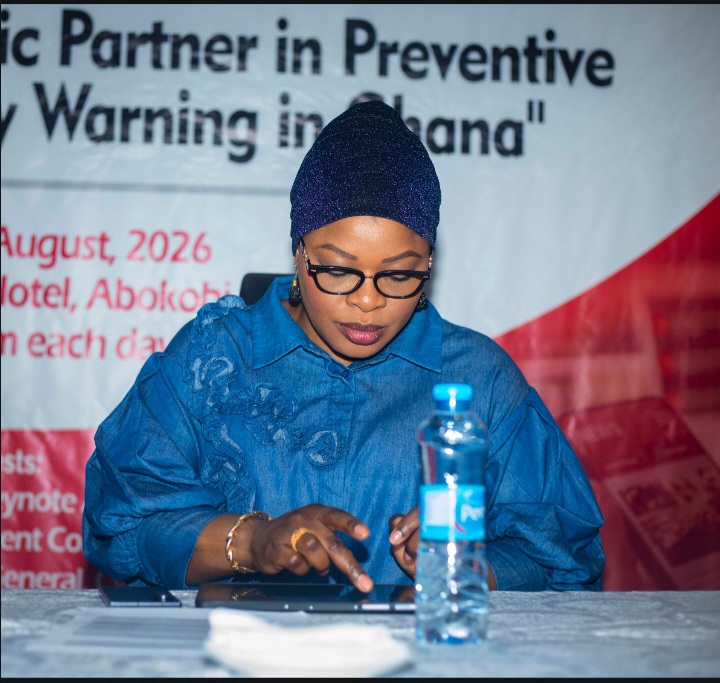
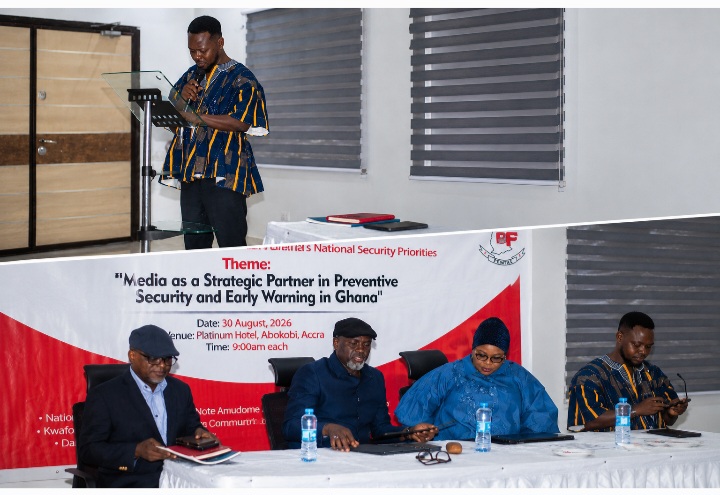
PRINPAG President David Tamakloe made this case for a stronger and better-resourced media industry on Saturday, August 29, 2026, when he welcomed participants to a capacity-building workshop on responsible security reporting at the Platinum Bay Hotel in Abokobi, Accra.
The workshop, organised in collaboration with Ghana’s National Security Secretariat under the theme “Media as a Strategic Partner in National Security,” seeks to strengthen the ability of private newspapers and online publishers to report on security matters accurately, responsibly and professionally.
Mr Tamakloe said the media’s responsibilities had become even more critical in an environment where misinformation and unverified information can quickly spread and influence public perceptions of security incidents.
He, however, expressed concern about what he described as a growing misconception that the rise of social media meant professional journalism was becoming irrelevant.
“We are being fed a dangerous lie that this chaotic digital space will take over, that the traditional press is a dying relic. Let us not be deluded! There is no alternative to the traditional media,” Mr Tamakloe declared.
He drew a sharp distinction between professional journalism and unregulated social media content, insisting that the standards, ethics and responsibilities associated with journalism could not simply be discarded in the digital age.
“Let me be unequivocal: the madness we witness on social media is NOT journalism,” he said, stressing that journalism had historically played a critical role in exposing wrongdoing, defending vulnerable groups and documenting events that shape society.
According to him, abandoning professional journalism would have consequences beyond the media industry because journalism also serves as a repository of society’s collective memory.
“If we abandon journalism, we abandon memory itself,” Mr Tamakloe said, while urging stakeholders to protect and strengthen the profession rather than allow financial and institutional pressures to undermine it.
He also called for stronger support for private media organisations, arguing that responsible journalism requires adequate resources, effective regulation and meaningful partnerships with institutions responsible for national security.
“The pen is mightier than the sword. But a pen without ink is useless,” he said, using the analogy to call for greater investment in the media sector.
Mr Tamakloe maintained that supporting the media should not be viewed as an attempt to compromise its independence, but rather as an investment in a stronger democratic system capable of providing citizens with reliable information.
He further challenged journalists to match institutional support with professional integrity, urging practitioners to uphold accuracy, responsibility and conflict-sensitive journalism, particularly when reporting on sensitive security developments.
“Let our integrity be our pillow as we sleep at night,” he said, invoking the African proverb that a clear conscience is a soft pillow.
Meanwhile, PRINPAG Executive Secretary Jeorge Wilson Kingson said the workshop had become necessary because of Ghana’s changing security environment and the increasing complexity of contemporary threats facing the country.
Mr Kingson said the media remained a major source of information and public education during security incidents, making the quality, accuracy and context of reports particularly important to national stability.
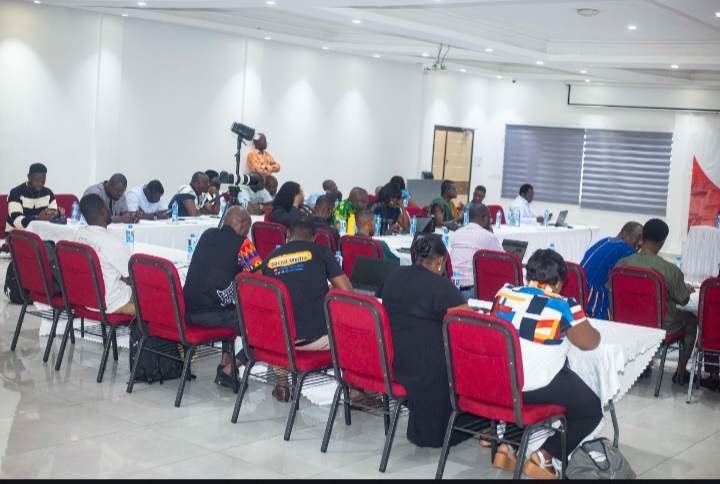
He explained that the training would bring together 45 editors, senior reporters, news publishers and media owners from private newspapers and online media platforms that belong to PRINPAG.
The training programme covers Ghana’s national security architecture, communal conflicts and conflict-sensitive journalism, as well as strategic communication and information management during security incidents.
Participants are also expected to examine the Security and Intelligence Agencies Act, 2026 (Act 1168), cybercrime, digital threats and information warfare, alongside the relationship between national interest, ethics and constitutional press freedom.
Mr Kingson said the organisers had deliberately designed the workshop to move beyond conventional lectures, with participants expected to engage in interactive discussions, case studies, group exercises and scenario-based newsroom simulations.
He said the ultimate objective was to equip journalists with the knowledge and professional judgment required to produce security reports with greater accuracy, balance, depth and context, while reducing sensational reporting that could escalate tensions or undermine legitimate security operations.
The workshop is also expected to strengthen mutual understanding between journalists and security institutions, with PRINPAG urging participants to take the lessons back to their respective newsrooms and contribute to a culture of more responsible, professional and conflict-sensitive security reporting.